What Makes an Acoustic System — Not Just an Acoustic Product
If the acoustics of your space aren’t up to par, you may be researching different acoustic products to add. However, “spot treating” isn’t going to cut it. You need to think about the space holistically and solve the root problem. That’s where acoustic systems come into play.
Acoustic Systems Versus Acoustic Products
An acoustic system involves multiple acoustic components tailored to a room’s size, layout, and purpose. Acoustic consultants will recommend an acoustic system as an approach, one that is comprehensive and thinks of the space holistically. A complete acoustic system is designed to address a range of issues, from excessive bass to standing waves to flutter echoes. Acoustic systems can completely transform a space.
Acoustic products, on the other hand, are individual pieces with a specific function. These products — such as reflectors, diffusers, absorbers, suspended baffles, and bass traps — are part of an acoustic system. When used as standalone pieces, they address only one acoustic issue, not a variety of issues. A common mistake many designers make is buying acoustic products off the shelf, hoping they will help fix the issue at hand. Adding an absorptive or diffusive wall panel here or there may help a little, but they won’t completely resolve the issue, and the space will therefore not live up to its fullest potential.
What are the Main Components of an Acoustic System?
Spaces vary based on dimensions, construction materials, and overall purpose or functionality. The need for a concert facility in a high school will differ drastically from that of an open-floor-plan office environment. However, the way that the acoustics are addressed is largely the same. Below are the main components of an acoustic system.
Wall Panels
One of the primary acoustic treatments is wall panels. They are easy to install, come in a wide variety of materials, and serve different purposes.
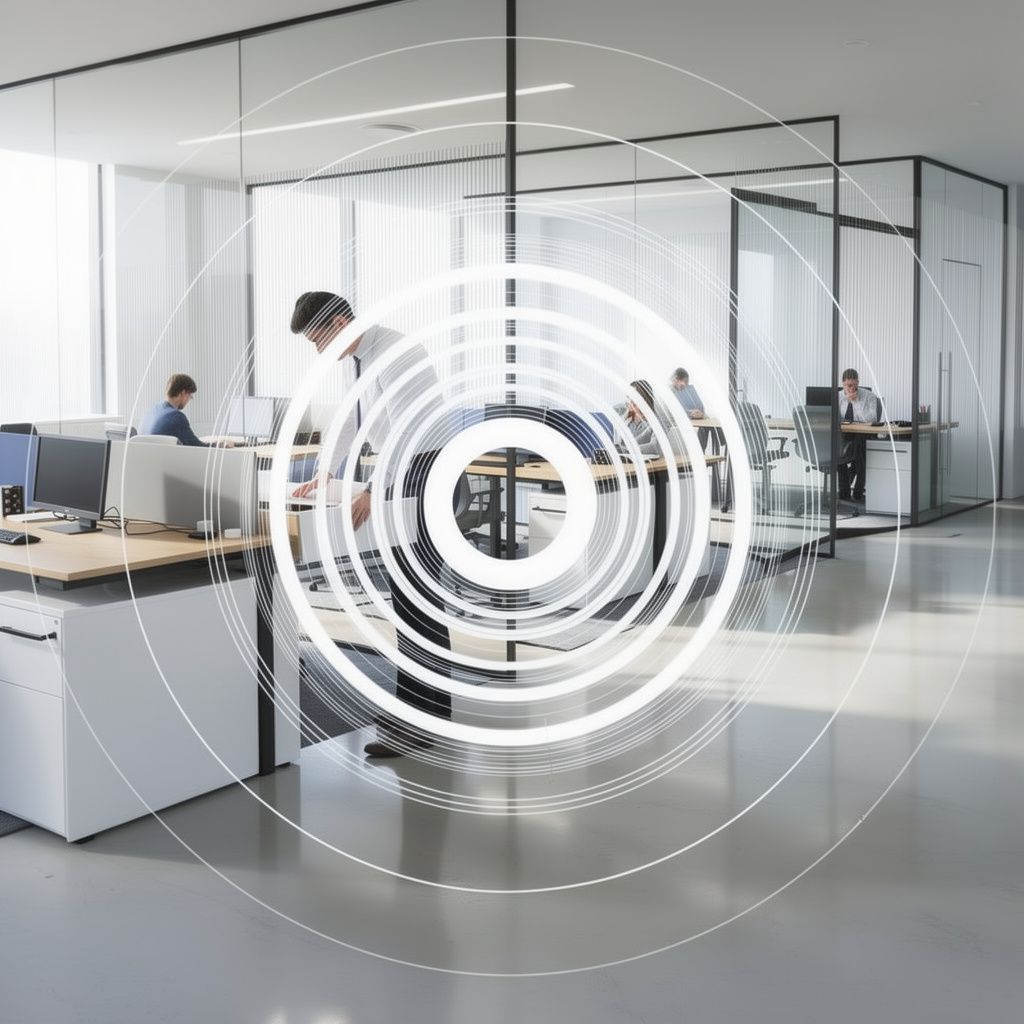
Acoustic wall panels absorb sound energy and prevent
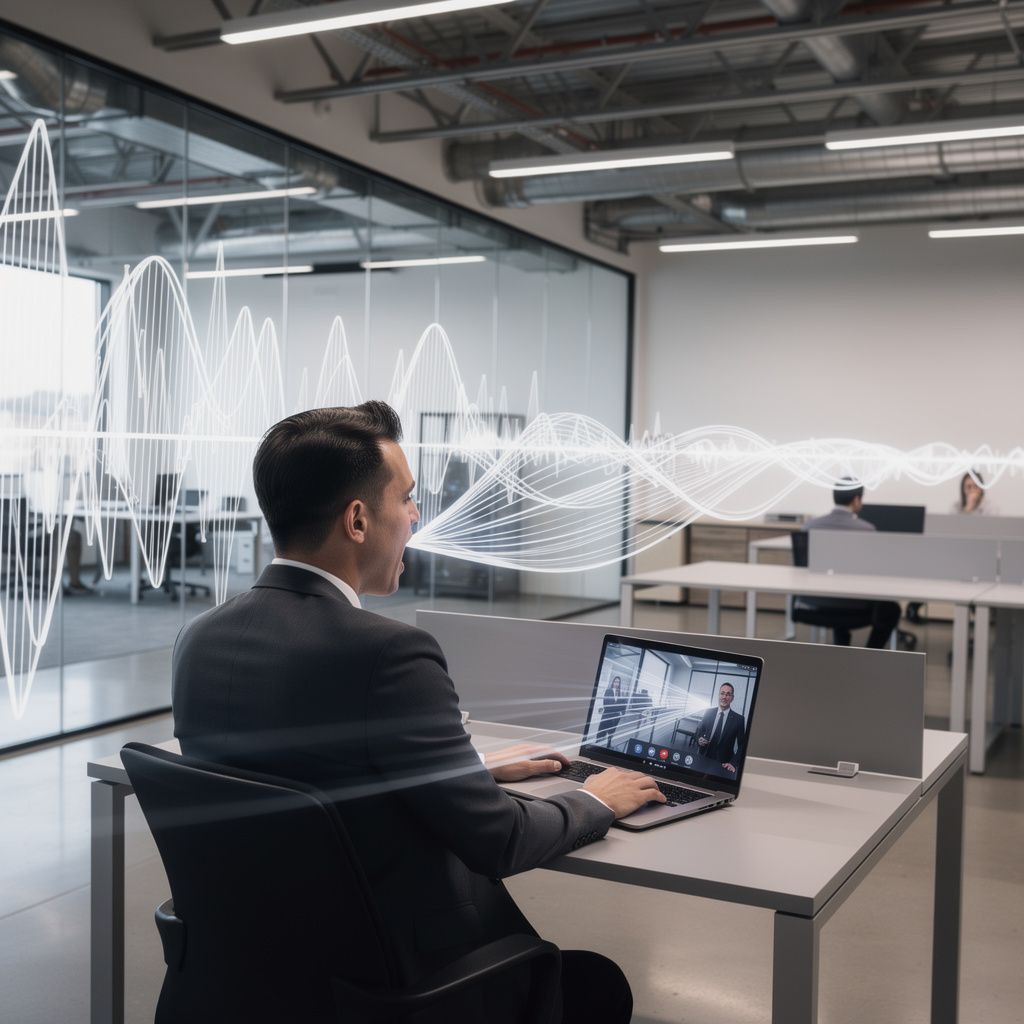
reverberation. When sound enters a space, sound waves scatter in different directions. If the surfaces of a room are hard, such as wood, concrete, glass, or metal, sound waves will bounce off them. This creates
reverberations and leads to echoes.
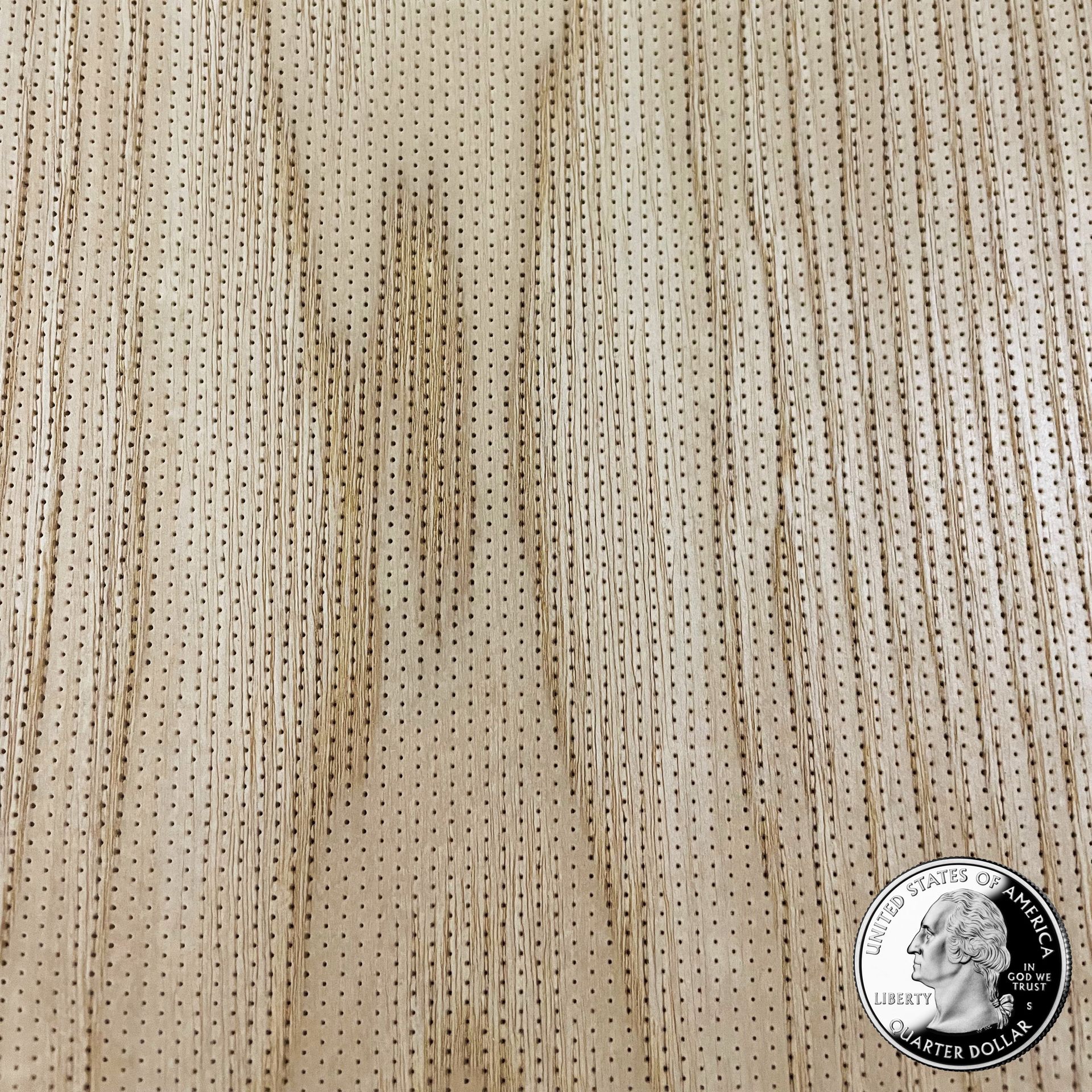
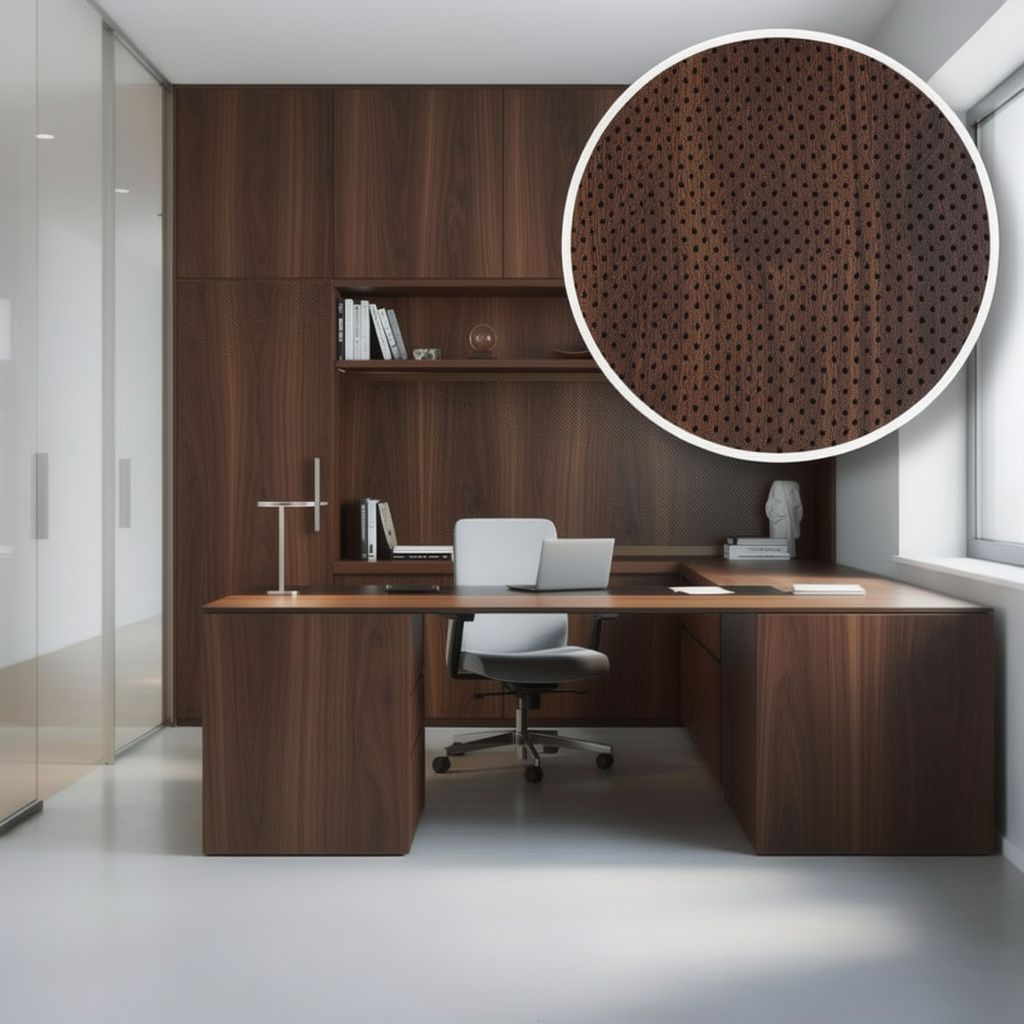
Absorptive wall panels remove residual sound. They are often foam-backed, wrapped in acoustic fabrics, or perforated veneered wood, which absorb the sound waves. On the exterior, they can be finished in a variety of different materials. Wood panels can be custom-stained and lacquered to fit the space. Other materials include fiberglass, polymer, or acrylic resin.
Wall panel placement is equally important. To get the most out of each panel, you need to assess where sound hits or strikes. These are known as reflection points, or the distance between the sound’s source and the listener’s ear. For a seated audience, such as an auditorium or
performing arts center, panels should be centered about 4 to 5 feet from the floor. For standing audiences, such as a museum foyer or gallery, they should be raised to about 5 to 7 feet to align with the sound source.
Acoustic Diffuser
Acoustic diffusers are specialized acoustical surfaces designed to scatter or redistribute sound waves. This ensures that the sound waves are redirected in multiple directions instead of reflected as a single echo. Diffusers are used to make a room sound “alive,” eliminating harsh reverberations and unnatural, “dead” spaces.
Acoustic diffusers can be made from different materials, such as wood, wood veneer, polymer, GFRG, and laminate. They can be treated with different finishes and paint colors to match or enhance the space’s
aesthetics.
There are different types of acoustic diffusers. 1D (one-dimensional) diffusers feature vertical or horizontal wells and scatter sound in a 180-degree plane. 2D (two-dimensional) diffusers scatter sound in both horizontal and vertical directions. Quadratic Residue Diffusers (QRD) provide the most precise and predictable scattering of sound waves across a wide range of frequencies. Acoustic consultants will know exactly what types of diffusers are needed for your specific space.
As with acoustic panels, placement of acoustic diffusers is key. Rear walls and ceilings are common placements to help prevent sound from bouncing straight back to the listener. They are placed approximately 6 to 7 feet away from the listener.
Ceiling Clouds and Baffles
When it comes to acoustics, ceilings are often overlooked; however, both ceiling clouds and baffles can do wonders for a space. Ceiling clouds are panels suspended horizontally and are used for focused sound control. They aren’t mounted to a ceiling so that they can offset noise from both sides. They are great for offices, conference rooms, and home theaters.
Baffles are panels suspended vertically, which is great for capturing horizontally moving sound waves. These are best in high-ceiling environments, such as office cafeterias, warehouses, and
concert venues.
Ceiling clouds and baffles are frequently used together in an acoustic system to target specific
reverberation zones. For example, in an open-plan office, clouds can be placed over conference tables to improve speech intelligibility, and baffles can be hung over desks to reduce the general buzz.
Bass Traps
With the walls and ceilings both treated, the only remaining areas in the rooms are the corners. Bass traps are specialized absorbers designed to capture low-frequency sound energy that wall panels cannot handle. They can help rooms appear less “boomy” or “muddy.”
Bass traps are made from either porous materials like fiberglass or mineral wood, or solid materials such as metal and wood. They are placed in different corners of a space, such as where the walls meet the ceiling or floor.
Acoustic Systems Deliver Measurable Sound Control Results
As a holistic approach to the most common acoustic problems, acoustic systems are the outright winner. RPG Acoustical Systems can work with Professional experts to recommend acoustic systems that will transform the acoustics of your space while also adding to or complementing the existing aesthetics.