Understanding Reverberation Time and Why It Matters

June 4, 2026

Share this article

Reverberation time, or RT60, isn’t something that the average individual thinks about, but everyone has experienced it. It’s an integral part of acoustic design, and can make or break the space’s overall use and comfort. ï»¿

What is Reverberation Time?

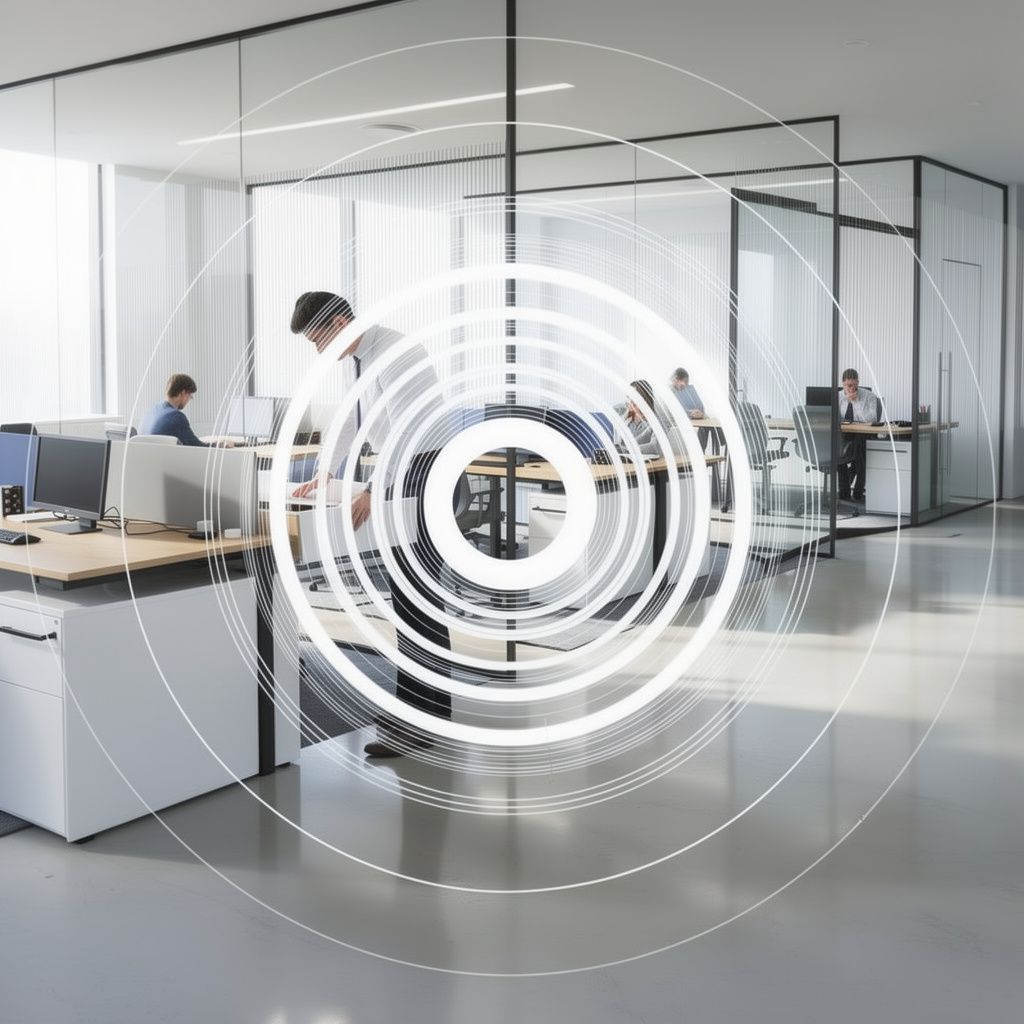
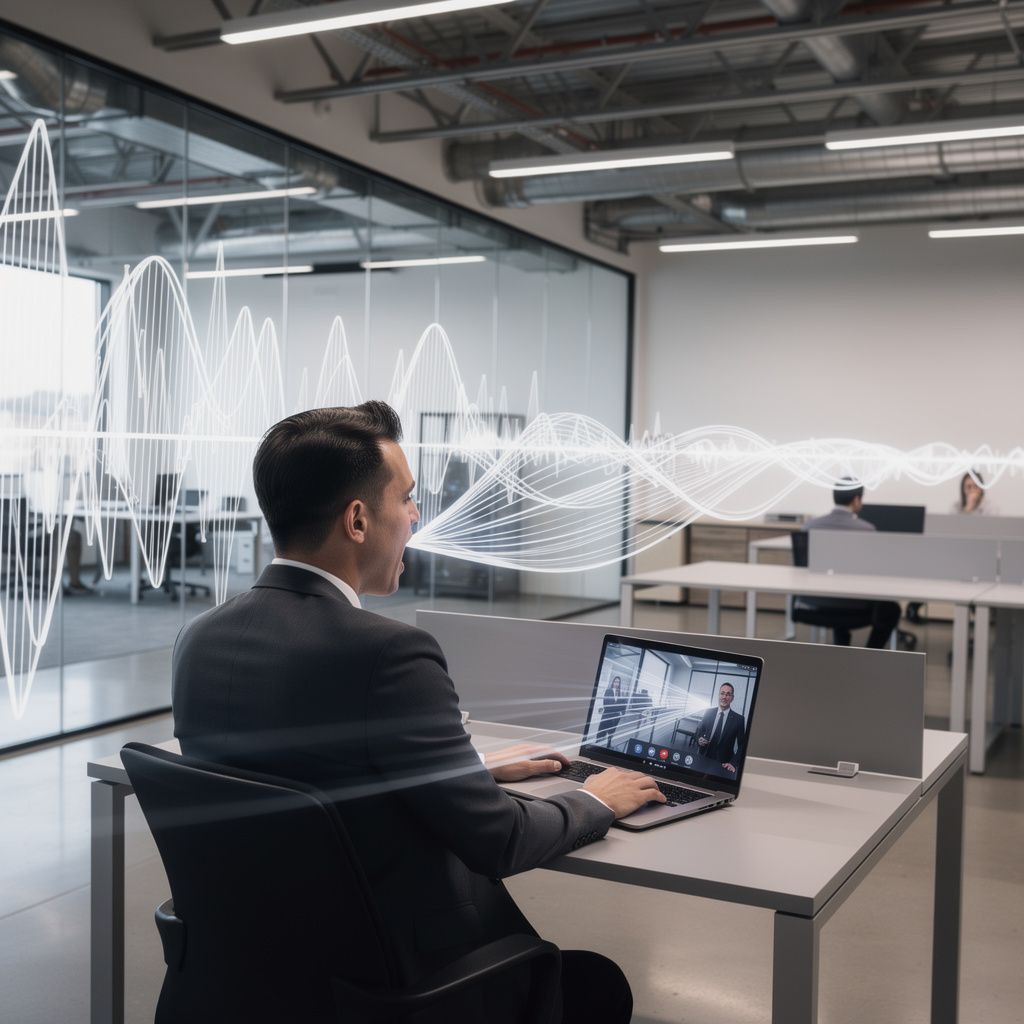
To understand reverberation time, you first need to understand reverberation. Essentially, it’s how long sound reflections can be heard in a room. When a sound is made — whether it’s someone speaking, a musical instrument, or a movie soundtrack — it sends out sound waves. These waves travel throughout a room, bouncing off hard surfaces and eventually fading. Reverberation happens when sound waves bounce around - the longer they bounce around, the louder and more chaotic-sounding the spaces can get.


Now, reverberation time is the time it takes for a sound to decay by 60 decibels in a room after the sound stops. The higher the reverberation time, the longer the sound lasts in a room. But a room with too little reverberation time can feel unnatural or “dead.” Finding the perfect balance is key to optimal acoustics.   

How to Calculate Reverberation Time

To find the reverberation time in a space, you have to calculate it. It’s primarily calculated using the Sabine formula, which was originally developed by Wallace Sabine. To find RT60, multiply 0.161 by the volume in cubic meters (m3) of the space. Then, divide this calculation by the total absorption in the room measured in metric Sabins (m2). 


Another room-acoustic metric, the Noise Reduction Coefficient (NRC), indicates a material's ability to absorb sound. With this knowledge, acoustic professionals and designers can select the right materials for a space to adjust the reverberation time. 


Note that applying the formula without a solid understanding of acoustics can be challenging. However, acoustic consultants in the field can perform this calculation for you and determine which
acoustic systems are most appropriate for the venue. 

What Impacts Reverberation Time

Various factors affect a room’s reverberation time. They include: 

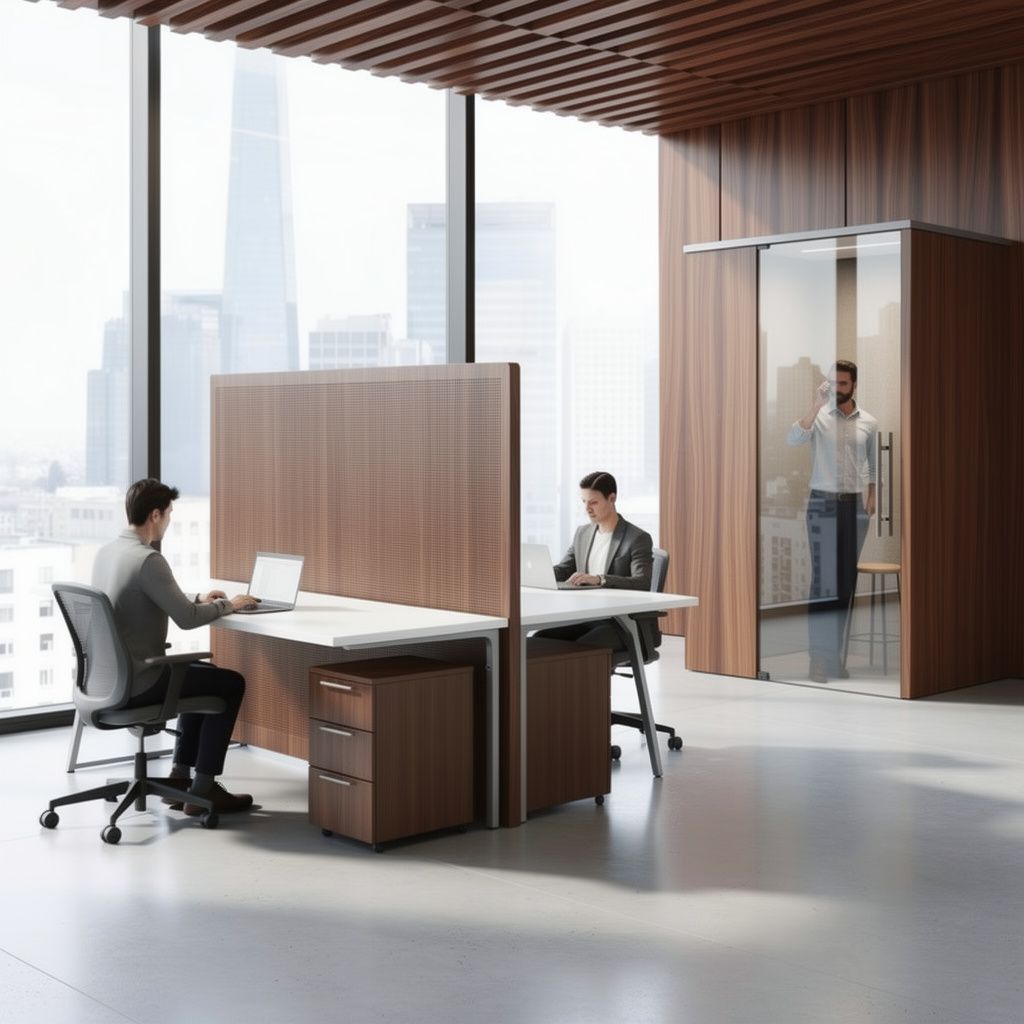
  • Room Size: The larger the space, the longer the reverberation time. This is especially true if the room is open, meaning there aren’t zoned areas or individual sections. This is why many open-floor-plan office designers create distinct zones or spaces. It breaks up the room’s size while segmenting different areas for different functionalities. 
  • Surface materials: Hard surfaces like concrete, glass, and wood reflect sound more than soft surfaces, such as carpets and acoustical panels. A blend of both reflective and absorptive surfaces is needed in a space to get the reverberation time and the feel of the space just right. 
  • Occupancy: What’s in the space also plays a major role. Again, a wide-open space will be more prone to echoes than a space divided into sections or that includes different furnishings. The number of people within the room will also affect reverberation time. 

Why Reverberation Time Matters

Think about a time when you had dinner at a large restaurant. There may have been a time when you were unable to hear the person sitting just a few feet away from you. Every voice, every plate, every clink of wine glasses bounced around the room, creating louder and louder reverberations. As a result, you were unable to have any type of conversation with your dining partners, leading to a less-than-desirable experience. This same acoustic problem occurs in various spaces, from open-floor plan office environments to school concert halls to hotel meeting spaces to performance venues. 


Reverberation time matters for numerous reasons, including speech intelligibility, acoustic comfort, performance quality, and functional purpose.

Speech Intelligibility

When reverberation time increases, speech intelligibility decreases. In certain venues, such as offices and classrooms, this can be very problematic, eventually leading to frustrated students and employees. Speech intelligibility is a core component of effective communication. Without it, messages can be misinterpreted. 

Acoustic Comfort

High reverberation times can be uncomfortable. Shouting at your dining partner at a restaurant isn’t a great experience, nor is asking your teammate to repeat what they just said in a large conference room. Diners will eventually stop going to the restaurant — no matter how good the food is — and employees will become irritated and annoyed with the office setup. 

Performance Quality

Lecture halls, concert facilities, and recording studios will all have different reverberation needs. Classrooms with high reverberation times can lead to poor speech perception and decreased student concentration and focus. Proper reverberation time in a concert hall or recording studio can enhance a musician’s liveliness or richness, making it sound as if the instruments or the singer’s voice are bouncing fluidly through the air. 

How to Best Manage and Adjust Reverberation Time 

The best way to manage or adjust reverberation time in a space is through acoustic solutions. Acoustic treatments are used to balance sound absorption and diffusion. These treatments range from wall acoustic panels to sound diffusers to suspended clouds and baffles. To treat a room, a variety of these treatments will be necessary as each serves a distinct purpose. 


Partnering with acoustical consulting professionals who ensure that the right amount of the right materials are implemented to achieve proper design is the first step.  The staff at RPG Acoustical Systems can then ensure that the prescription for the acoustics is met or exceeded with the highest-performance solutions and aesthetic appeal. Combined, this expertise in acoustics will fine-tune your environment so that speech intelligibility, acoustic comfort, and performance quality are right on point. 

Recent Posts

Furniture, walls, and ceiling treatments working together to improve sound control and acoustic comf
June 4, 2026
Discover how furniture, walls, and ceilings affect sound control and how acoustic treatments improve clarity, reduce echo, and manage noise.
Acoustic wall and ceiling treatments designed to improve sound quality and reduce noise.
June 4, 2026
If the acoustics of your space aren’t up to par, you may be researching different acoustic products to add. However, “spot treating” isn’t going to cut it. You need to think about the space holistically and solve the root problem. That’s where acoustic systems come into play.
SoniQ logo in blue and gray text on a white background
May 27, 2026
Learn how acoustic system design combines diffusers, absorbers, and materials to create balanced sound and eliminate echo in complex spaces.
SoniQ logo in blue and gray text with a stylized Q underline
By SoniQ Technology April 28, 2026
Optimize room acoustics with engineered furniture, walls, and ceilings. Learn how absorption, diffusion, and SoniQ™ technology reduce reverberation and improve sound clarity in modern workspaces.