What is Reverberation Time and Why it Matters in Offices
Within a few minutes of entering an office, you’ll likely notice if the space feels “off” due to excessive noise. It doesn’t matter how impressive or modern the office is; if the acoustics are poor, the space can be disruptive, unproductive, and highly stressful.
What you may not know is that this excessive noise has a name —
reverberation time.
What is Reverberation Time?
Before understanding what reverberation time is, it’s important first to understand reverberation.
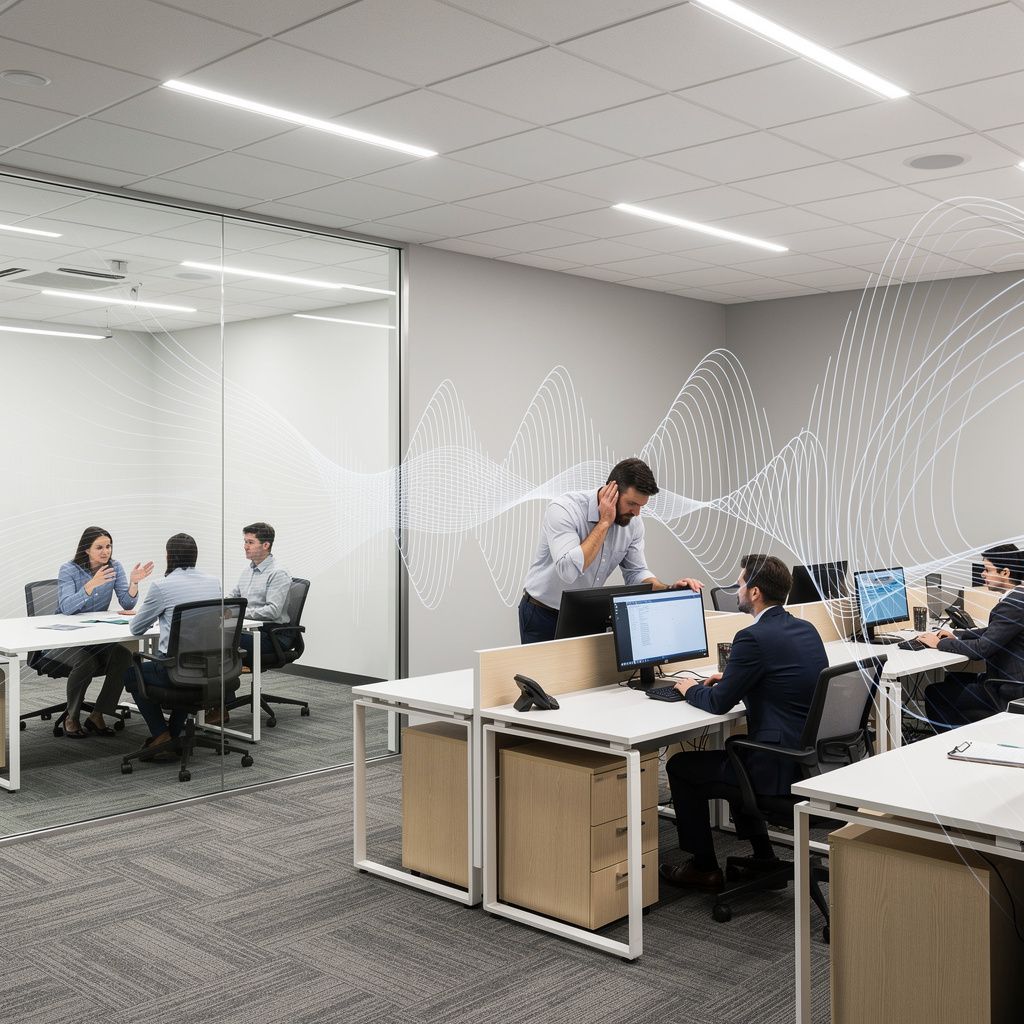
Reverberation is simply how long an echo lasts in a room. When a sound is made — whether it’s a coworker closing a cabinet door or another teammate chatting in the hallway — it produces sound waves. These sound waves travel through the space, bouncing off hard surfaces such as
office furniture and partitions before eventually fading. Reverberation occurs when sound waves reflect off surfaces, creating an echo.
Now, reverberation time (or RT60) is how long it takes for a sound to decay in a space after the sound stops by 60 decibels. Finding the reverberation time requires a calculation called the Sabine formula — an equation developed by Wallace Sabine. To find RT60, multiply 0.161 by the volume in cubic meters (m3) of the room. Divide this number by the total absorption in the room measured in metric Sabins (m2). Once the reverberation time is calculated, acoustic professionals and office designers can select the right mix of materials to accurately adjust the reverberation time.
Target reverberation time benchmarks vary by space and use, and offices should typically aim for 0.4 to 0.8 seconds for speech to maximize sound clarity. For conference rooms, a good target is less than 0.7 seconds.
Calculating an office’s reverberation time isn’t something that many office managers know how to do, which is why acoustic consultants play an important role. They can do this calculation for you and determine which acoustics systems will be the best choice for your office.
What Does Reverberation Time Matter?
You may be wondering why reverberation time matters in the first place — especially if you’ve never heard of or thought of it before. For offices in particular, reverberation time can directly impact speech intelligibility, employee concentration, and overall stress levels. When sound lingers in an office space, it can be very distracting and cause symptoms such as general fatigue, reduced focus, and migraine headaches.
High reverberation also causes speech to be blurred, making it harder for others to hear what you’re saying. You could be standing just a few feet away from another coworker, but feel the need to speak louder than necessary just to be heard. This, of course, causes even more noise within the space.
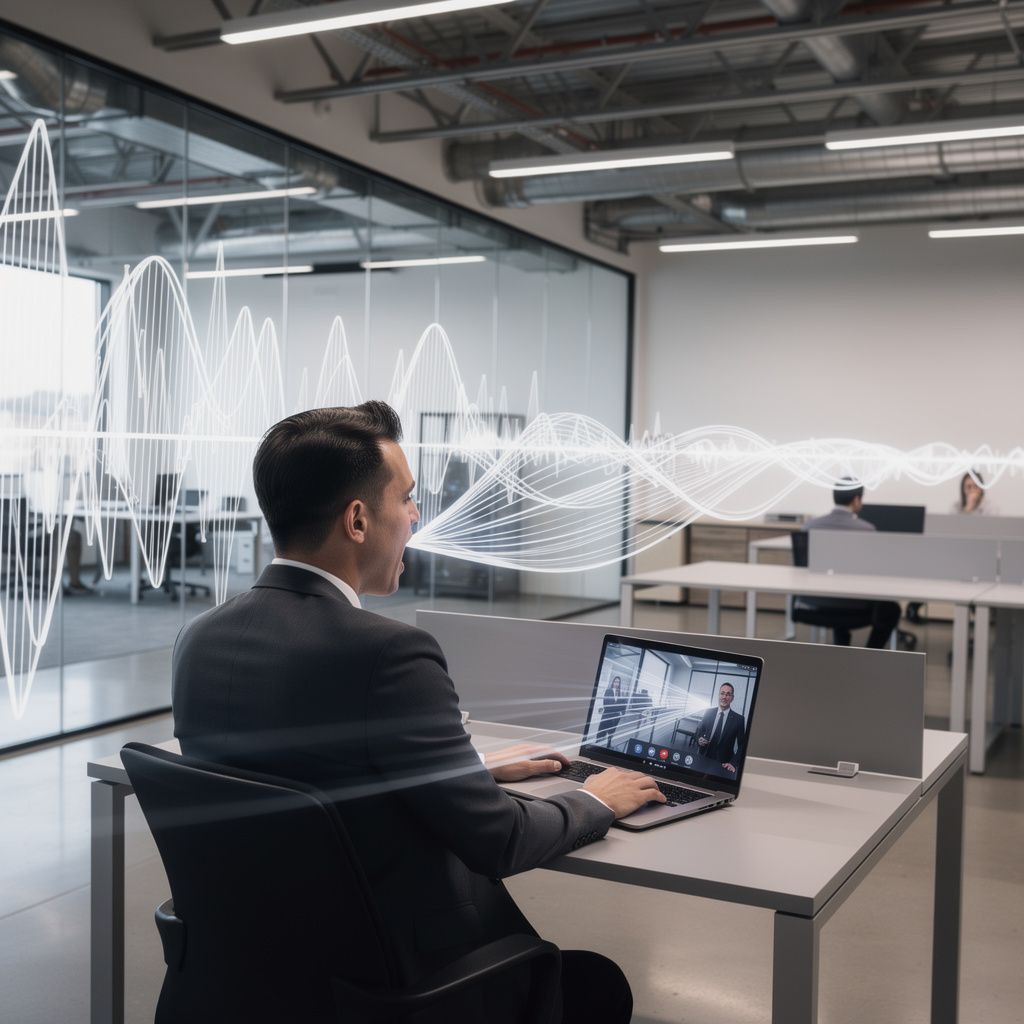
For boardrooms and closed offices, poor reverberation can make it harder to hear or understand those calling in for
virtual meetings. Not to mention, excessive noise can reduce privacy, making it harder to keep conversations confidential.
Solutions for Reducing Excessive Reverberation Time in an Office
Fortunately, reverberation time can be adjusted with the right mix of acoustic solutions. This typically includes absorption panels and diffusion panels. The difference between absorption panels and diffusion panels is that absorption panels reduce echo by trapping sound, while diffusion panels scatter sound.
The main purpose of absorption panels is to eliminate sound energy, reducing flutter echoes. Absorption panels are made from porous materials, including acoustic foam, fiberglass, or mineral wool. Diffusion panels will help disperse sound waves, enhancing the room's liveliness.
Additional solutions for reducing excessive reverberation time include adding ceiling clouds or baffles in large entranceways, incorporating more soft furnishings such as area rugs and curtains, and using bass traps in room corners to reduce boominess.
How to Improve Office Acoustics in an Open Office
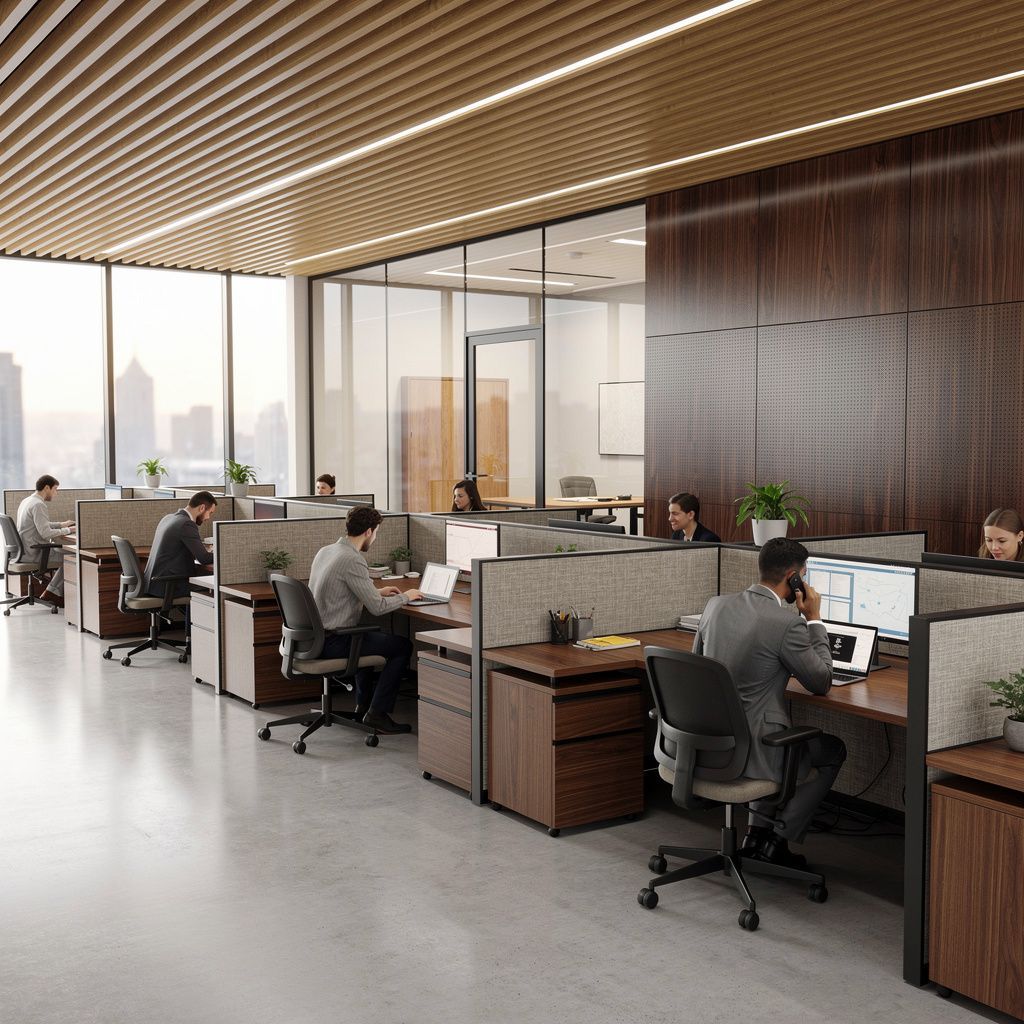
Most modern-day offices have different zones for different needs — kitchenettes and cafeterias, areas for lunchtime, boardrooms for executive meetings, virtual meetings and lounge areas for increased collaboration, to name a few. As a result, improving reverberation time and acoustics in general includes a layered approach. This means using a combination of sound absorption, blocking, and covering to reduce noise, echo, and distractions.
Acoustic panels and baffles can be used to absorb sound, as can upholstered furniture, high-back chairs, and soft screen panels. Adding carpeting or area rugs can also be a good option for sound absorption. Sound masking is another way to reduce noise distractions. A constant hum or background noise can mask noise in high-traffic areas, such as kitchens and collaborative work zones.
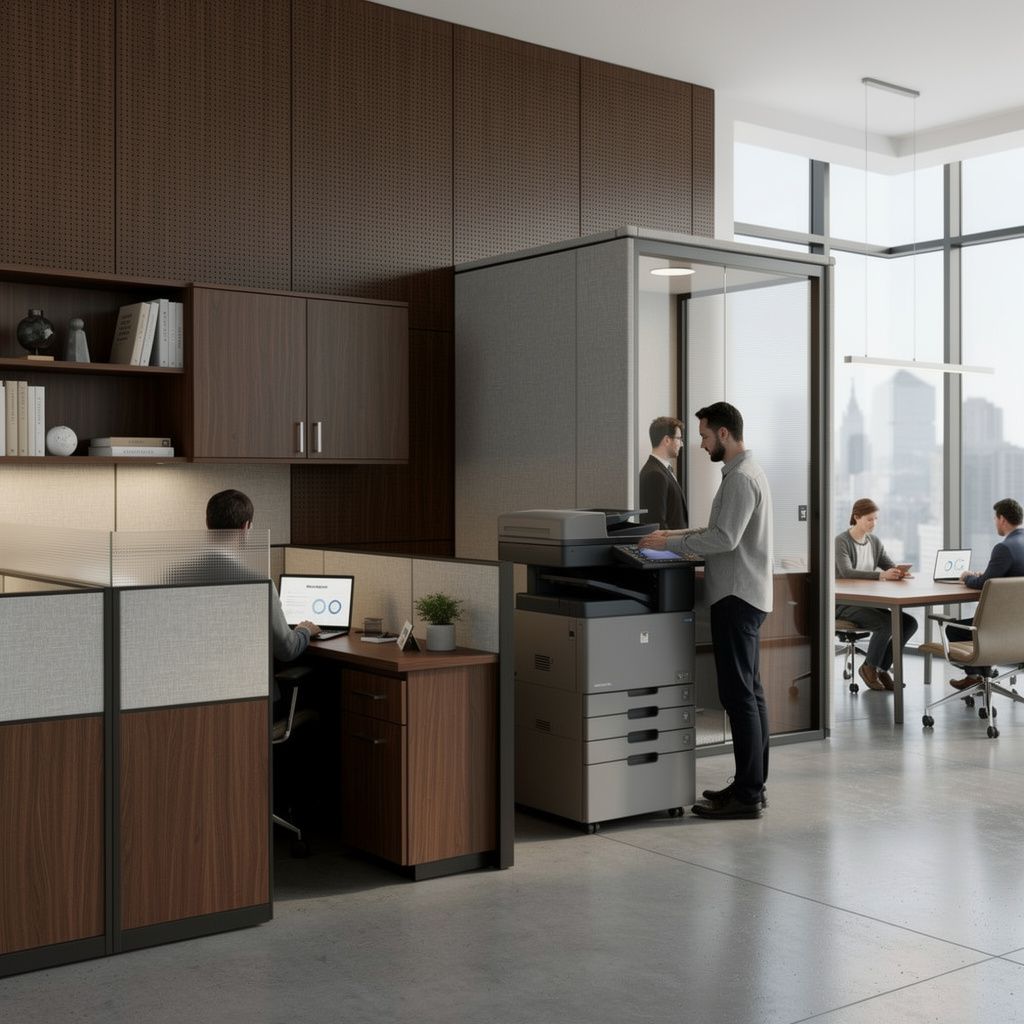
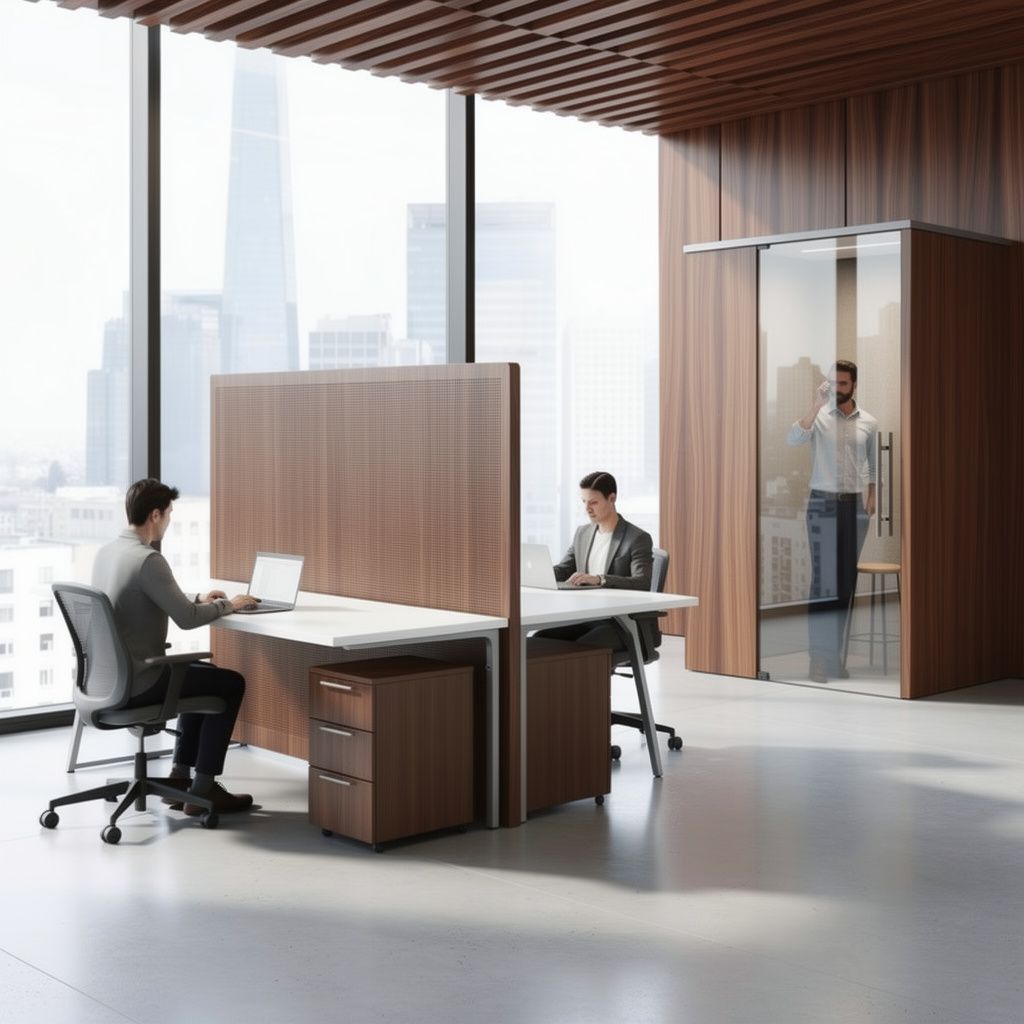
Installing office pods or booths for private calls can be especially helpful in open-plan offices. These pods can be utilized by employees who need a dedicated space for quiet, focused work. Room dividers and partitions can help break up the office into designated zones.
Why Distribution Matters in Offices
For offices in particular, it’s a common mistake to concentrate on blocking excess noise. While this is part of the solution, absorption must exist throughout the space. Absorption helps control sound energy, reduce reverberation, and eliminate standing sound waves caused by reflection. Without absorption, sound will bounce off hard, reflective surfaces, including walls, ceilings, and desks. This will cause a longer reverberation time, leading to a muddy sound that makes it harder to hear.
Traditional absorption panels can only go so far in helping absorb excess noise, which is where
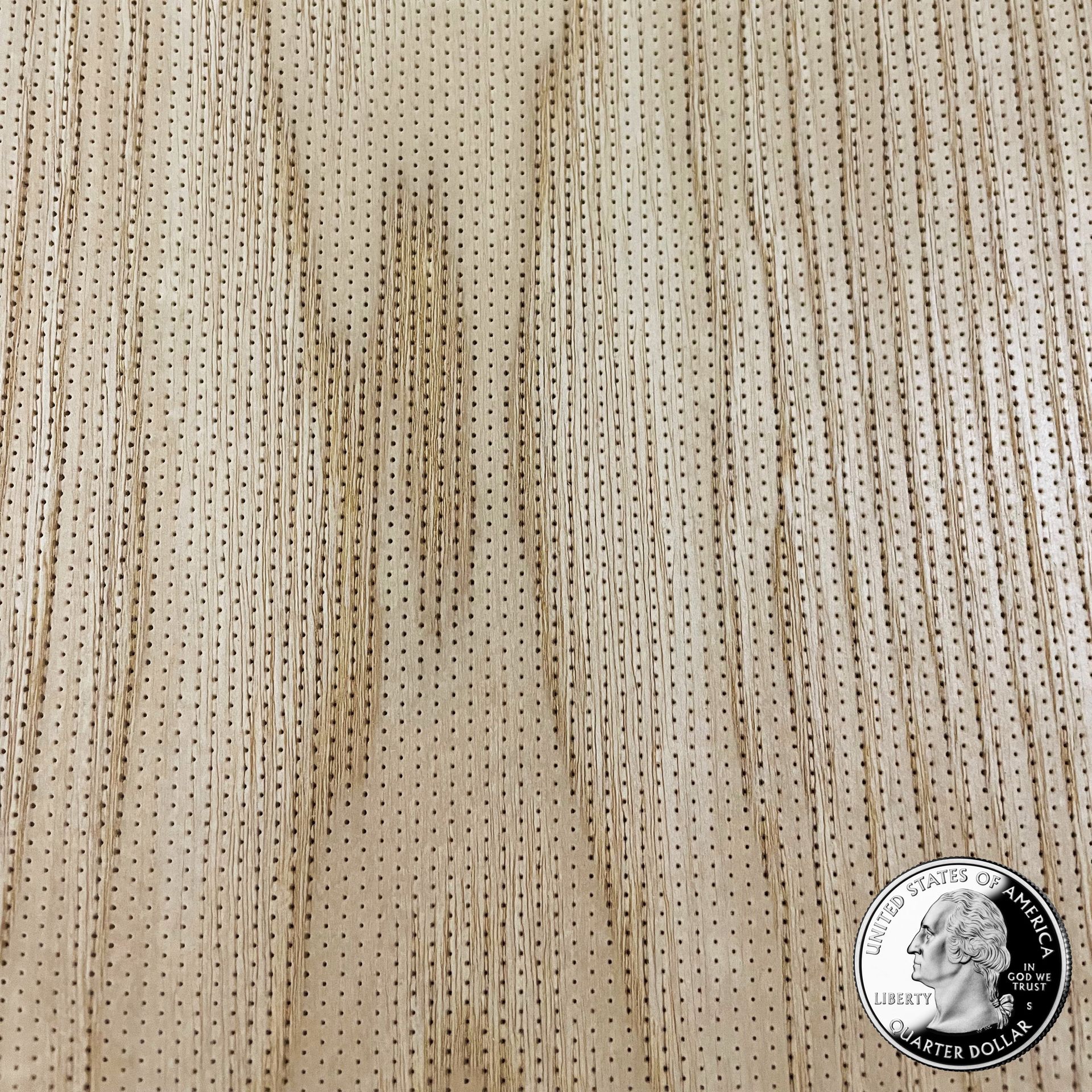
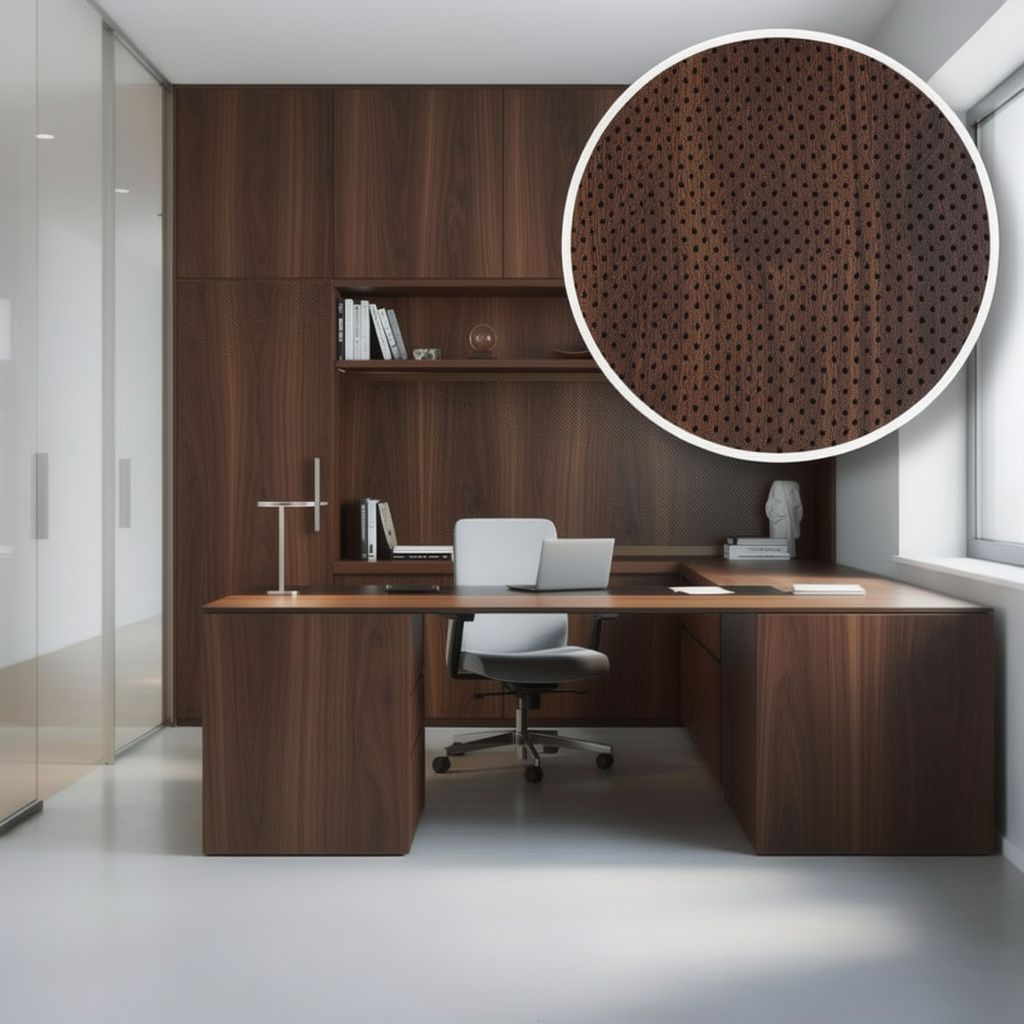
SoniQ™ Technology comes in. This is a new technology in the evolution of office design, reinventing the standards for office desks and other pieces and transforming them into beautiful, sound-absorbing furniture. These pieces will absorb sound like a sponge, providing quieter, better-performing environments that can lead to lower stress levels, improved mood, and greater productivity.
Key Takeway
When it comes to reverberation time, surface coverage is just as important as product selection. Bringing in a representative from industry-leading acoustical product manufacturer RPG Acoustical Systems can help ensure your office’s reverberation time is under control through a combination of customized acoustic design and implementation of high-performance absorption and diffusion products.
Recent Posts