Why Vertical Surfaces Play a Major Role in Sound Absorption
When you walk into any room, your attention probably isn’t gravitating to the walls. Unless there’s a piece of graphic artwork or an interesting wall installation, your eyes will notice other aspects of the space. The decor, furniture, and overall ambiance are more attention-grabbing than the walls that are supporting its structure.
But when it comes to acoustics, walls and large windows deserve all the attention. And when you’re thinking about an office environment, forgoing vertical surface acoustic treatment can have just as much impact on sound clarity as leaving the ceiling completely bare.
Why Vertical Surfaces Are Worth Noticing
Vertical surfaces often contribute more to reverberation than designers realize. They act as the primary boundaries that catch, reflect, and redirect sound within a space.
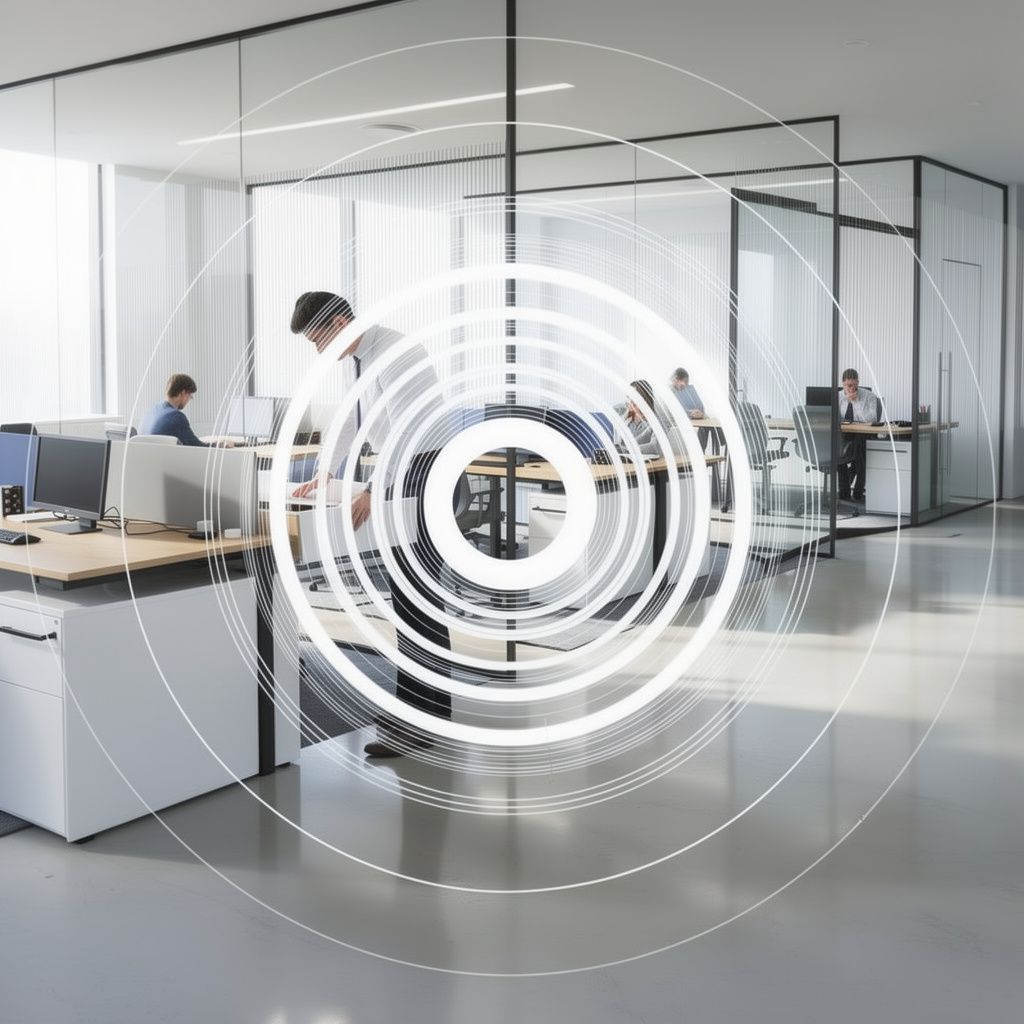
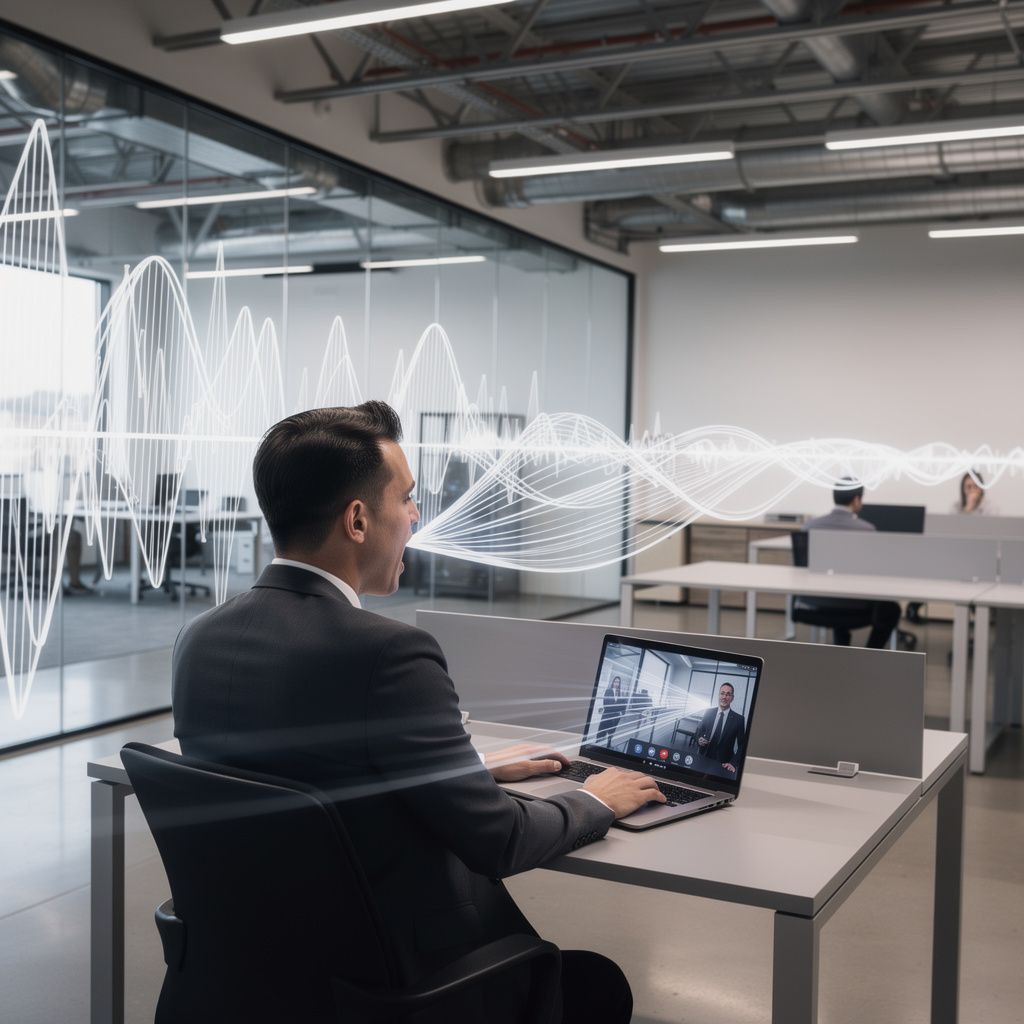
Sound waves travel horizontally, spreading outward from their source in all directions. In an office environment, most sound comes from talking. Therefore, when a colleague is speaking to another colleague, the sound reflects off the nearest vertical surface. This may be a wall or a piece of furniture. The
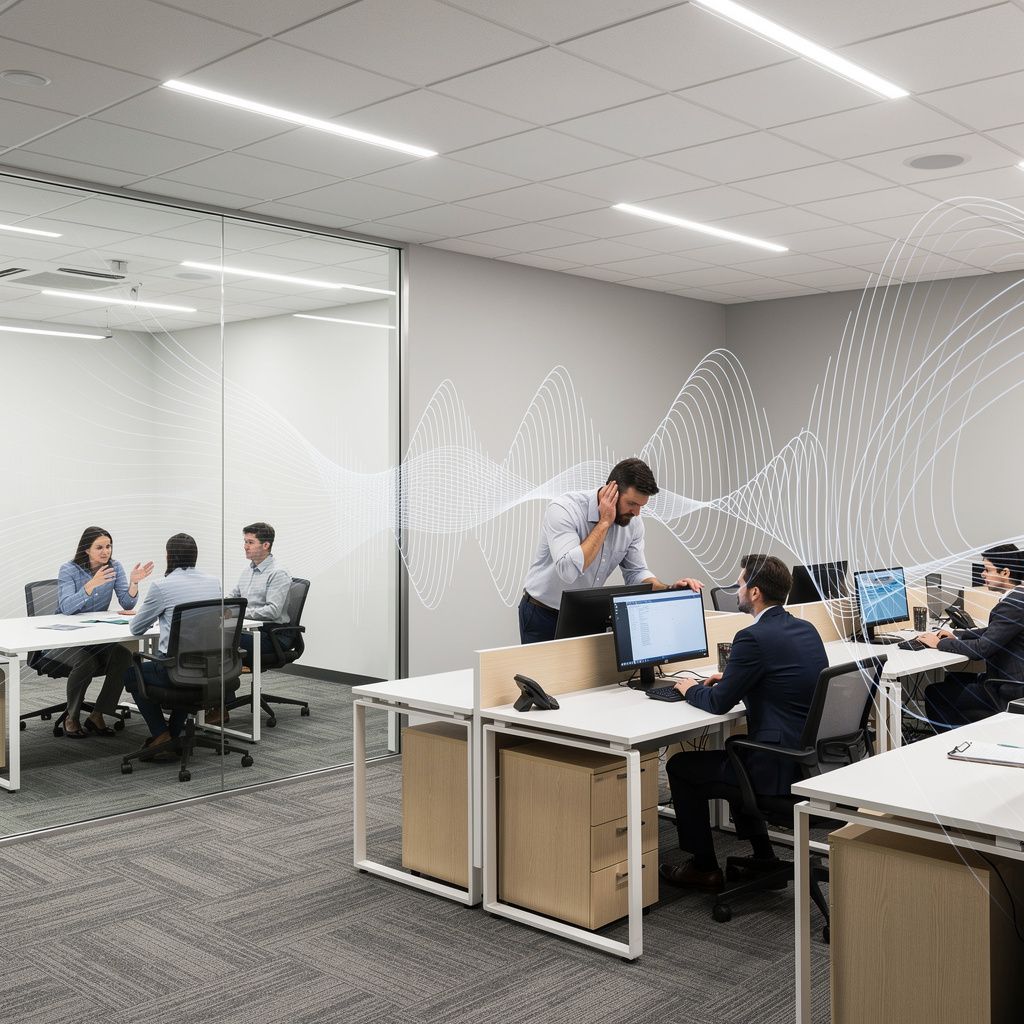
noise is amplified when sound occurs between parallel vertical surfaces, such as in a hallway or an enclosed space like a conference room. The sound waves can bounce back and forth repeatedly, creating what’s known as a flutter echo.
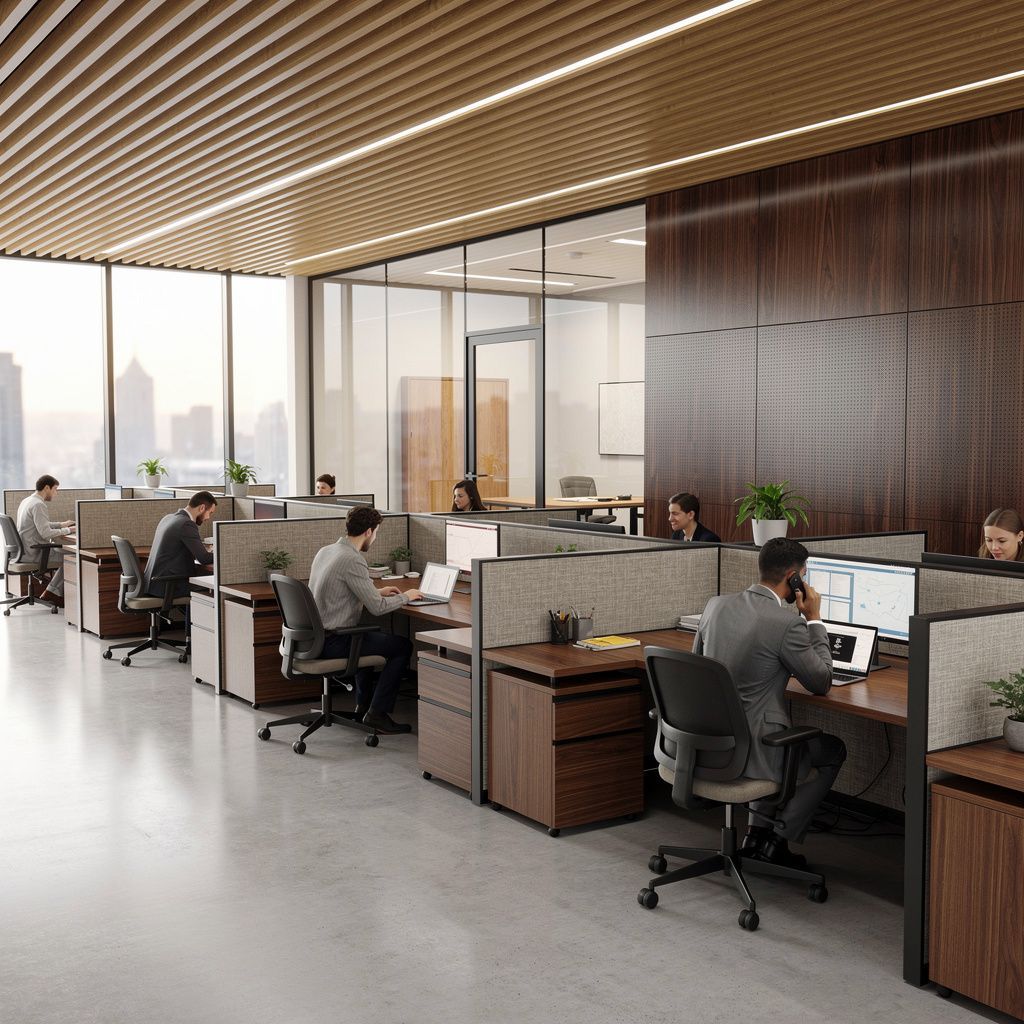
While sound can travel upward, it makes the most direct impact on surfaces closest to the source. For offices, sound waves are more likely to hit vertical obstacles — such as desks, cabinets, cubicles, and computer monitors — before they hit ceiling tiles. If your office is outfitted with
acoustic office furniture, you’ll experience significant improvement in the sound quality. This can impact the overall space, leading to employees who can better focus on their work due to fewer distractions and improved productivity across the board.
The Fix? Increase the Amount of Absorptive Vertical Surfaces
Now that you recognize just how many vertical surfaces are around you — especially in an office — you’re likely asking yourself what the solution is. To put it simply, you need to increase the amount of absorptive vertical surfaces.
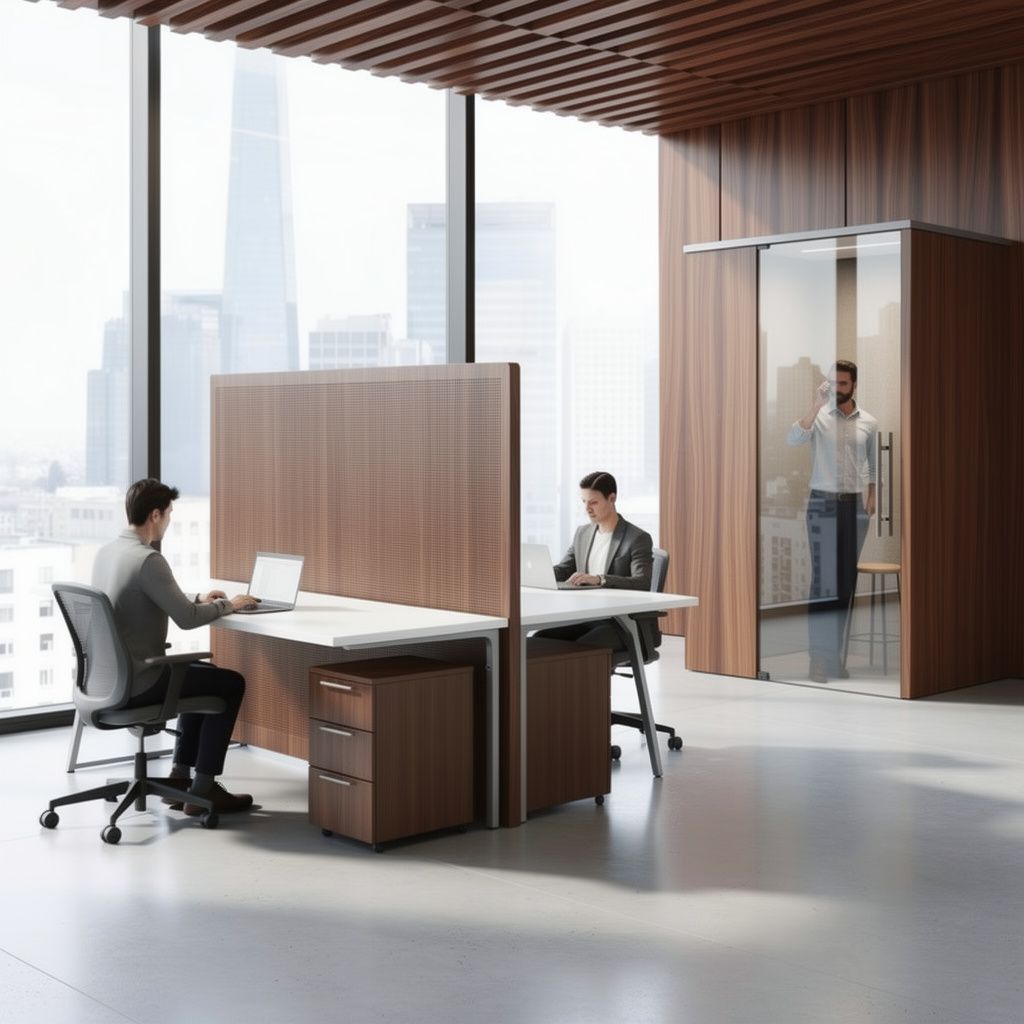
Absorptive vertical surfaces are any type of architectural or design elements that are engineered with specialized materials to capture sound waves and dissipate them. Walls, partitions, and sound-absorbing furniture are all possible solutions, constructed with acoustics in mind.
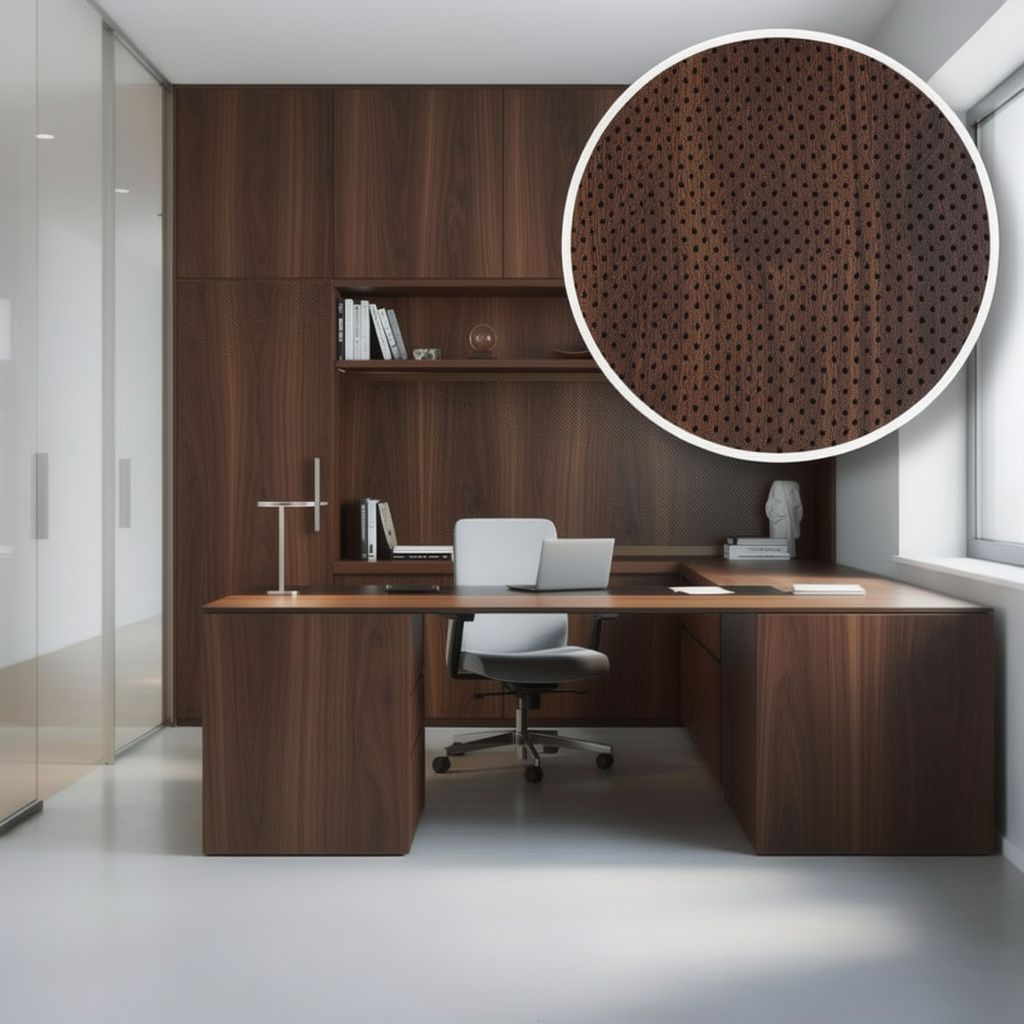
For example, furniture made with
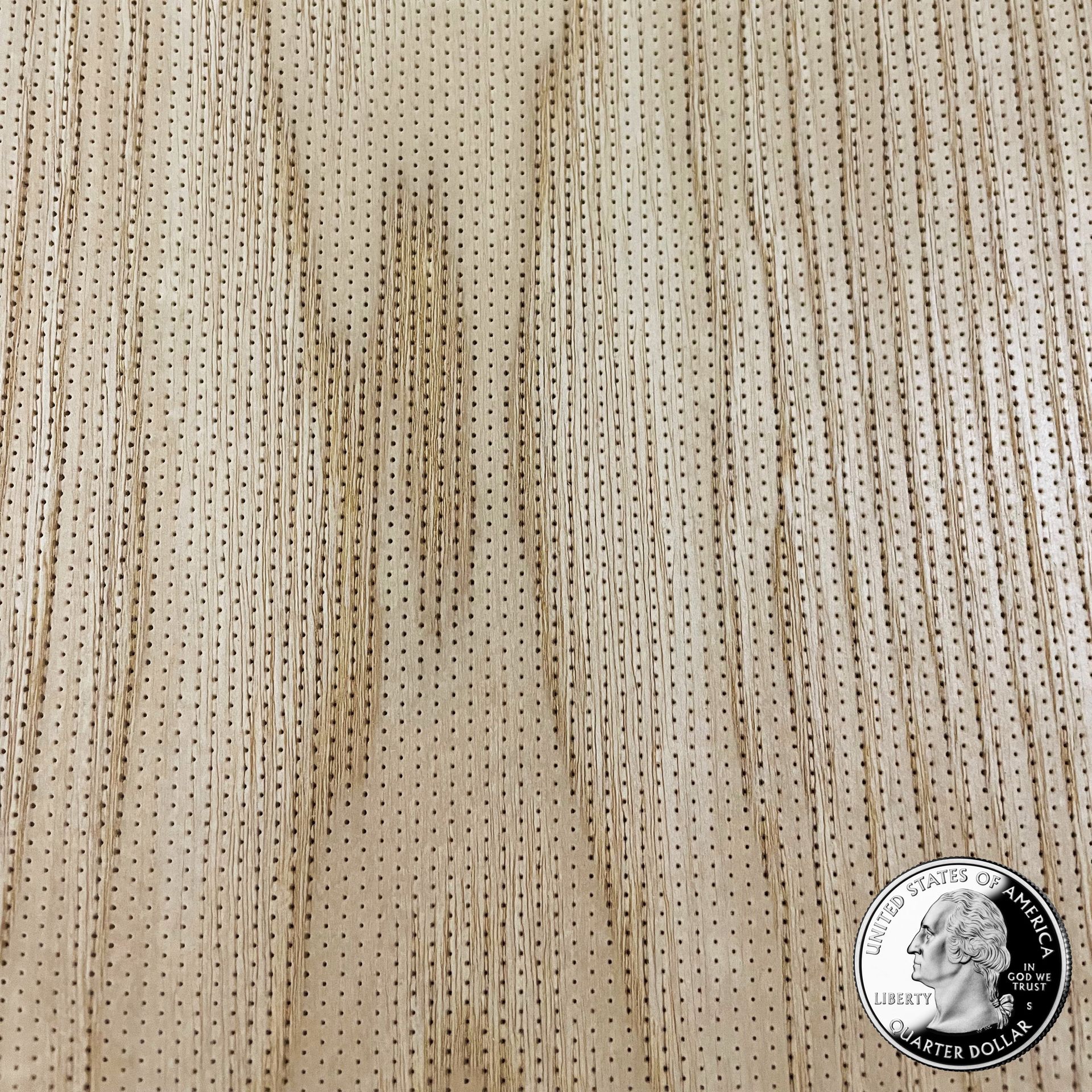
SoniQ™ Technology uses micro-perforating lasers to create 0.4mm holes in the veneer surface. These tiny holes may be practically invisible to the naked eye, but they are superior in removing sound. When sound waves strike absorptive surfaces, the air particles vibrate within the surfaces’ open pores. This converts sound energy into heat.
More Absorptive Vertical Surfaces = Better Office Acoustics
Adding more absorptive vertical surfaces throughout a workspace will improve speech clarity and lower reverberation time. Reverberation time, or RT60, is the amount of time an echo lasts in a room. When coworkers are chatting on the far side of the office, you may still be able to hear them at your own desk. This means the reverberation time is high. Lowering the reverberation time by adding more absorptive vertical surfaces will improve the office’s overall acoustics.
Calculating the reverberation time can be a bit tricky. It’s calculated with the Sabine formula, which Wallace Sabine originally developed. To find the reverberation time, multiply 0.161 by the volume in cubic meters (m3) of the space. Then, divide this calculation by the total absorption in the room measured in metric Sabins (m2). If this formula is bringing you right back to your dreaded physics class, just know that acoustic consultants in the field can perform the calculation for you. They will help determine the type of acoustic furniture to install for your specific office needs.
Eliminate Office Distractions with Better Acoustics
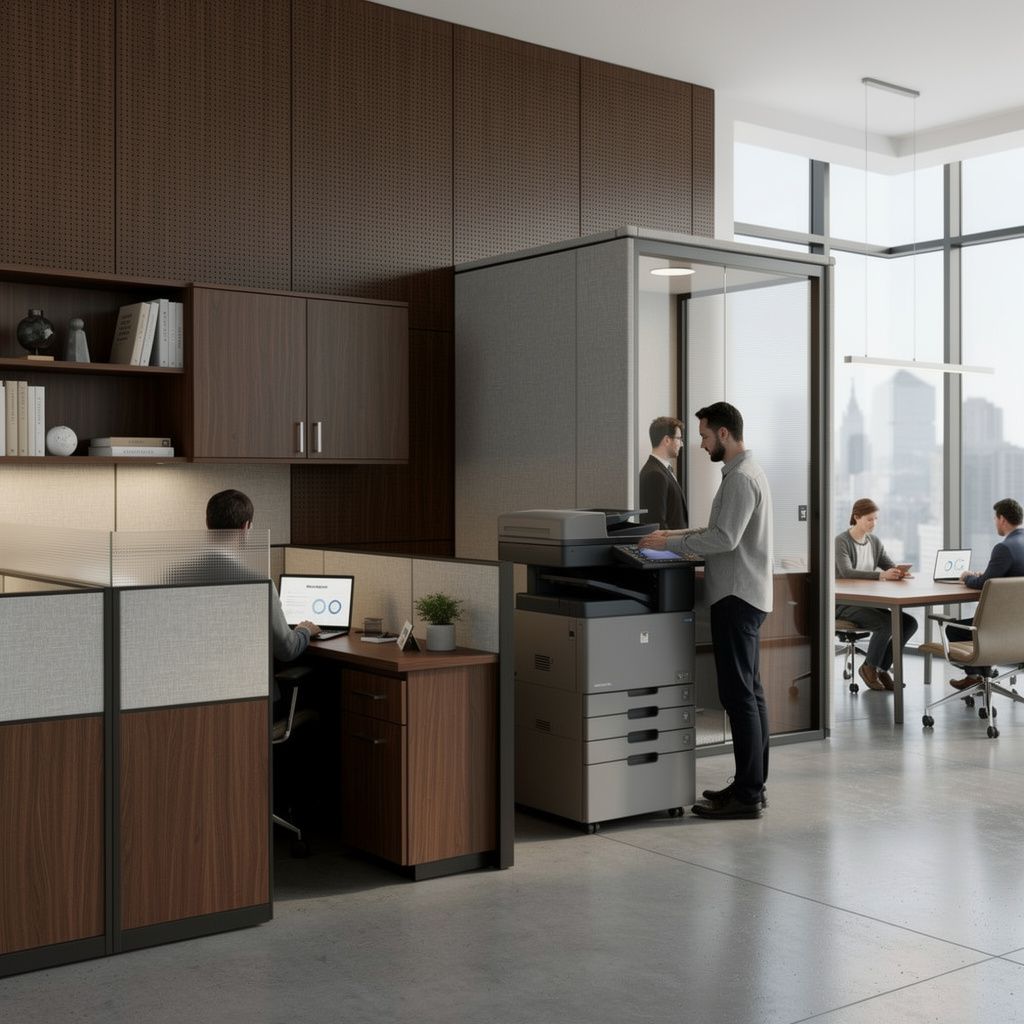
As any office worker will tell you, sound is a constant source of distraction. Printers, copiers, and HVAC units emit a low hum that creates a constant sound. High-pitched, intermittent sounds like microwave beeps or phone rings can be alarming, activating parts of the brain associated with alertness and urgency. And, of course, chatter and conversations can be distracting, even if the conversations are happening on the opposite side of the office.
While you can’t silence your co-workers or ask everyone to stop printing on the office machine, you can help control noise levels without the need for large
wall or ceiling installations.
Absorptive vertical surfaces will reduce the buildup of reflected sound, without requiring additional wall, ceiling, or flooring treatments. While these acoustic solutions can be helpful, they can be costly. You might spend upwards of $3,000 on fabric walls or up to $12,000 on high-end wood wall panels for a standard 10’x13’ office just to solve your acoustic dilemma. But converting standard office furniture into SoniQ™ furniture in comparison costs significantly less than either of those options.
If you’re ready to give your employees the office they deserve, explore our
SoniQ™ systems. Optimizing your office for acoustics can lead to happier employees and a more productive working environment.
FAQ
Why do vertical surfaces contribute to reverberation?
Sound waves largely travel horizontally, hitting the nearest surface and reflecting off of it. Vertical surfaces, such as walls and windows, are the primary drivers of lateral sound waves. These hard surfaces will reflect the sound, creating high reverberation.
Why does expanding the amount of absorptive vertical surfaces improve speech clarity?
The more absorptive vertical surfaces, the better the acoustics. Sound waves will hit the absorptive surface, but with less reflection. The material will trap the sound rather than reflect it. This can improve the office’s overall acoustics, including improving speech clarity.
How much does acoustic office furniture cost?
Prices will vary, but on average, converting office furniture into SoniQ™ furniture may cost only around $1,200. In comparison, fabric walls can cost around $3,000, and high-end wood wall panels can cost around $12,000 for a standard 10’ x 13’ office space.
Recent Posts