Why Modern Offices Are So Noisy Even With Acoustic Ceilings

July 20, 2026

Share this article

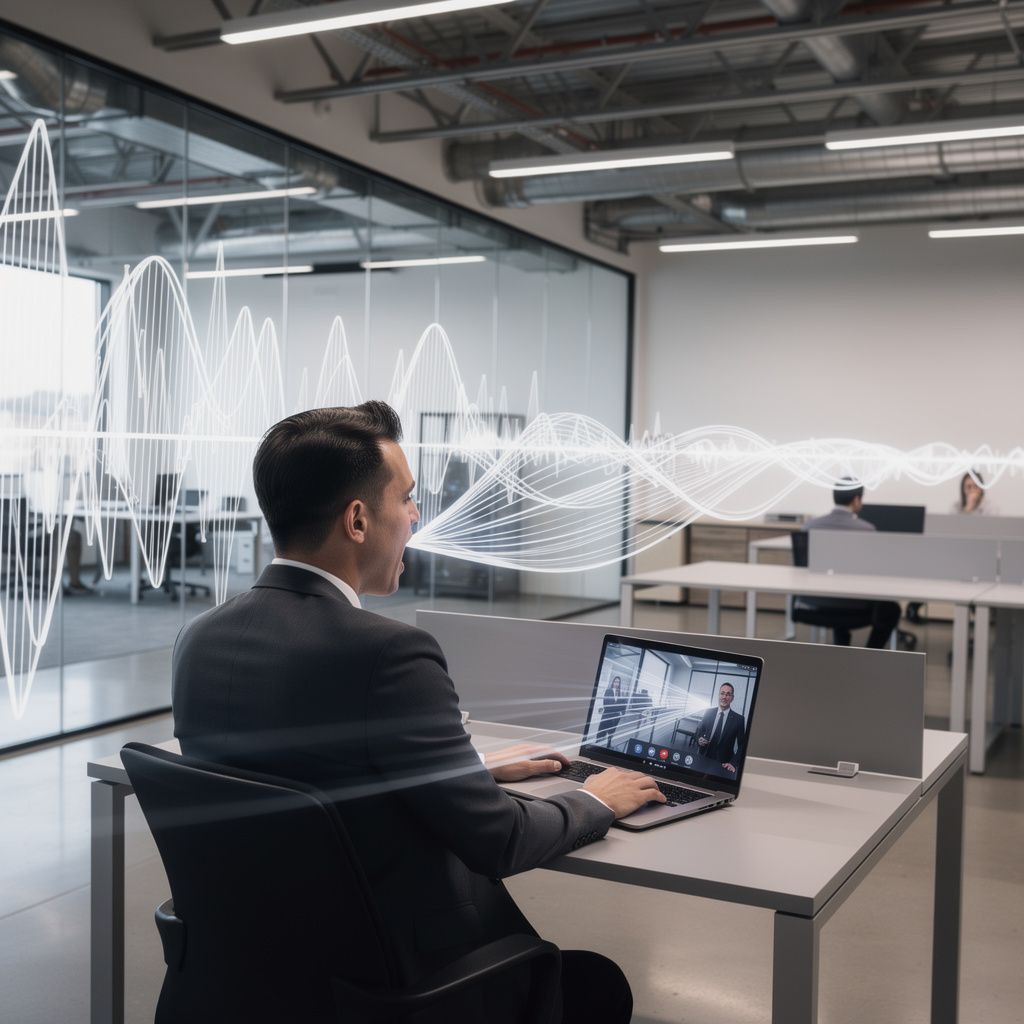
If you have ever worked in a modern office, you know the sounds: coworkers chatting, Zoom calls ringing out from open desks, the constant "clack-clack" of laptop keys, and the thud of cabinets closing. While nobody expects a workspace to be as quiet as a library, an office that is too noisy is a massive problem. Excess noise leads to higher stress, more mistakes on the job, and a huge drop in productivity. When people can’t get their work done because of noise, they get frustrated, take work home, and eventually quit.

To fight this, many companies start by installing acoustic ceiling tiles, clouds, or baffles to stop echoes. While that is a great first step, it is rarely enough to solve the problem.

Why Acoustic Ceilings Aren't a Magic Fix

The reason acoustic ceiling treatments usually fail on their own is that they only handle sound reflections from one direction. When sound enters a room, it does not just go up; it hits every single hard surface in its path. This includes the floors, the walls, glass partitions, and every piece of furniture in the room.

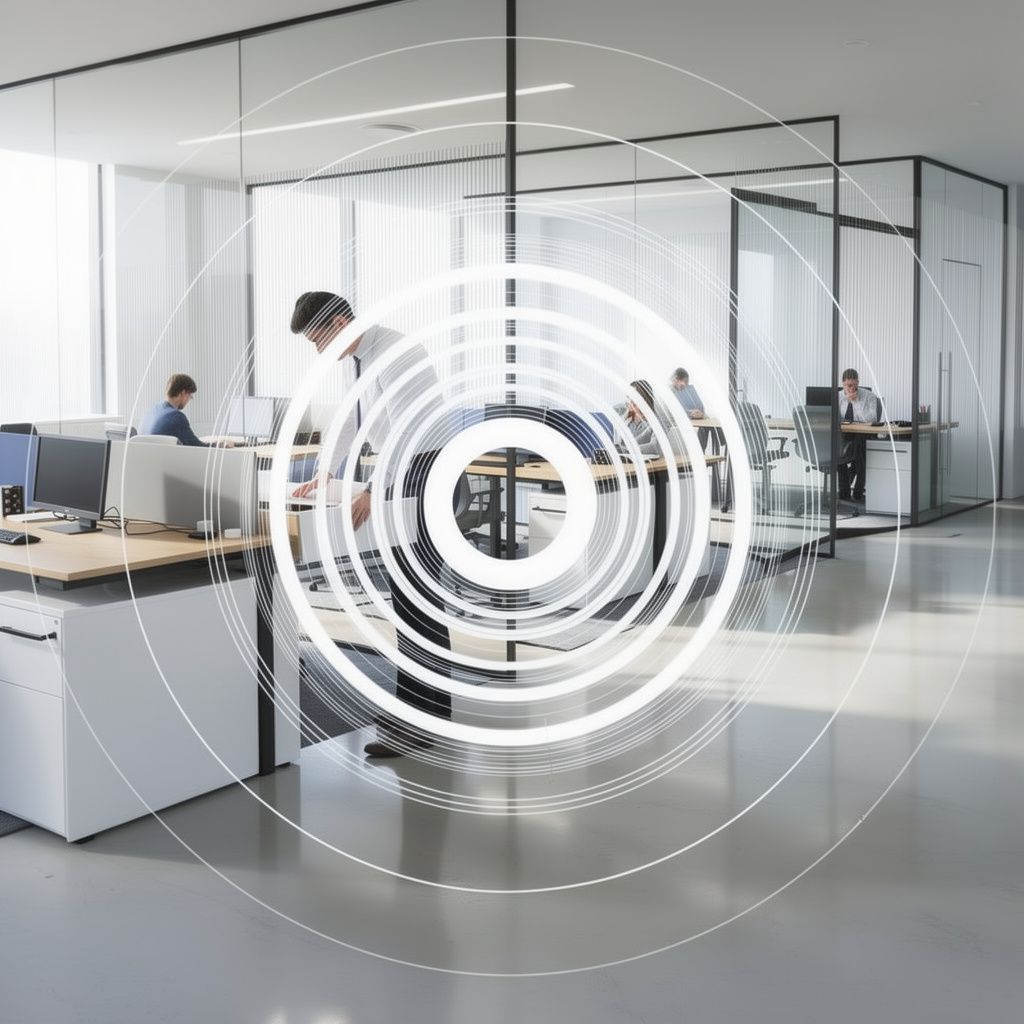
In a modern open floor plan, hard surfaces like glass doors and concrete flooring cause sound to bounce around rather than dissipate, keeping noise levels high. A ceiling tile cannot stop a private conversation from traveling sideways across the room where others can hear it. This is a major liability for banks or healthcare offices that need to keep customer information private. To truly fix the noise, you need acoustic office solutions that address the whole room, not just the ceiling.

The Holistic Approach to Office Sound

For today's open offices, you need a "layered" strategy that addresses different sound sources while freshening up your workspace. This is where a holistic approach comes in.

Besides treating the ceiling, you have to look at:

Wall Treatments: Strategic acoustic panels can minimize echoes. The trick is not just adding more of them, but placing them where they actually work—usually at ear level, about six feet up, and spread evenly throughout the space.

  • Wall Treatments: Strategic acoustic panels can minimize echoes. The trick is not just adding more of them, but placing them where they actually work—usually at ear level, about six feet up, and spread evenly throughout the space.
  • Flooring: If you treat the ceiling, you have to treat the floor as well. Hard floors amplify the sound of footsteps and rolling chair wheels. While you might not be able to replace the entire floor, adding plush rugs or carpet tiles can significantly reduce that noise.
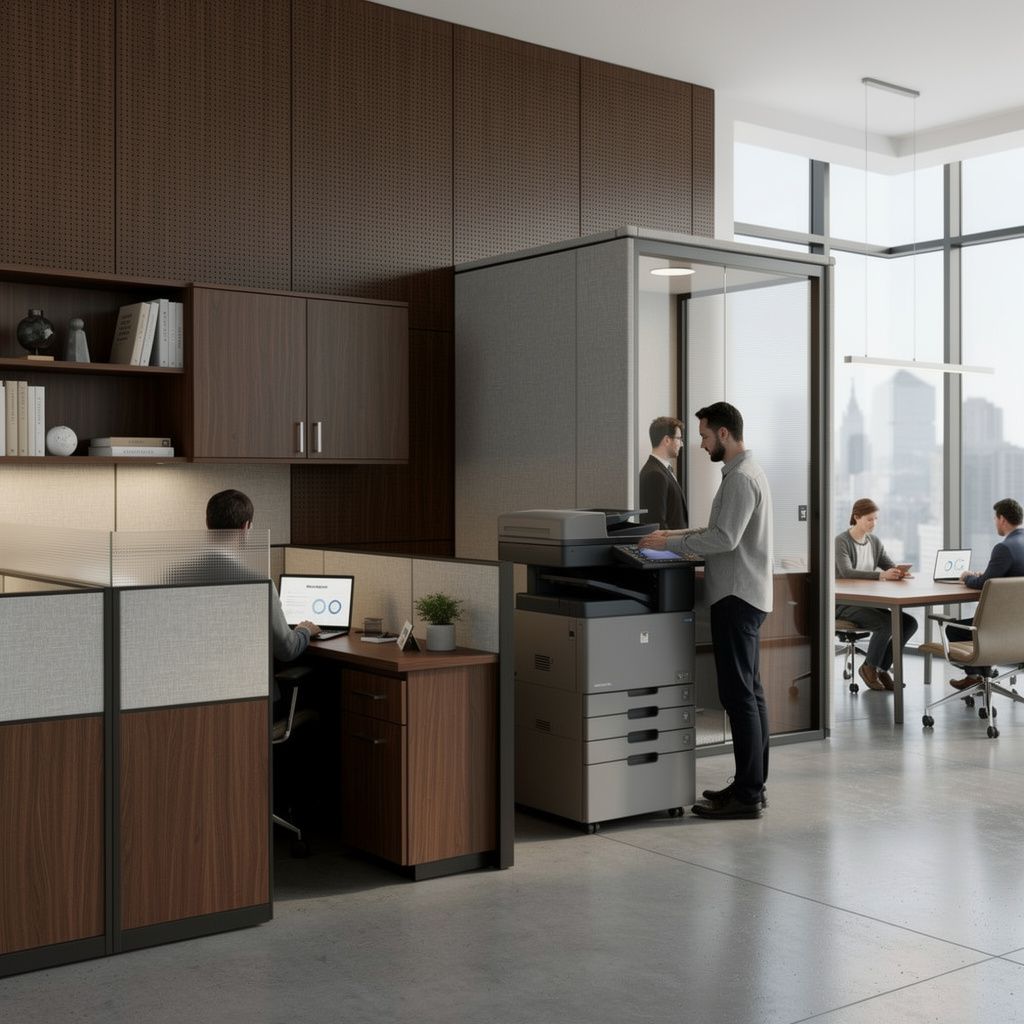
  • Acoustic Furniture: This is the most effective way to block noise right where it starts.

Why SoniQ™ Furniture is the Missing Piece

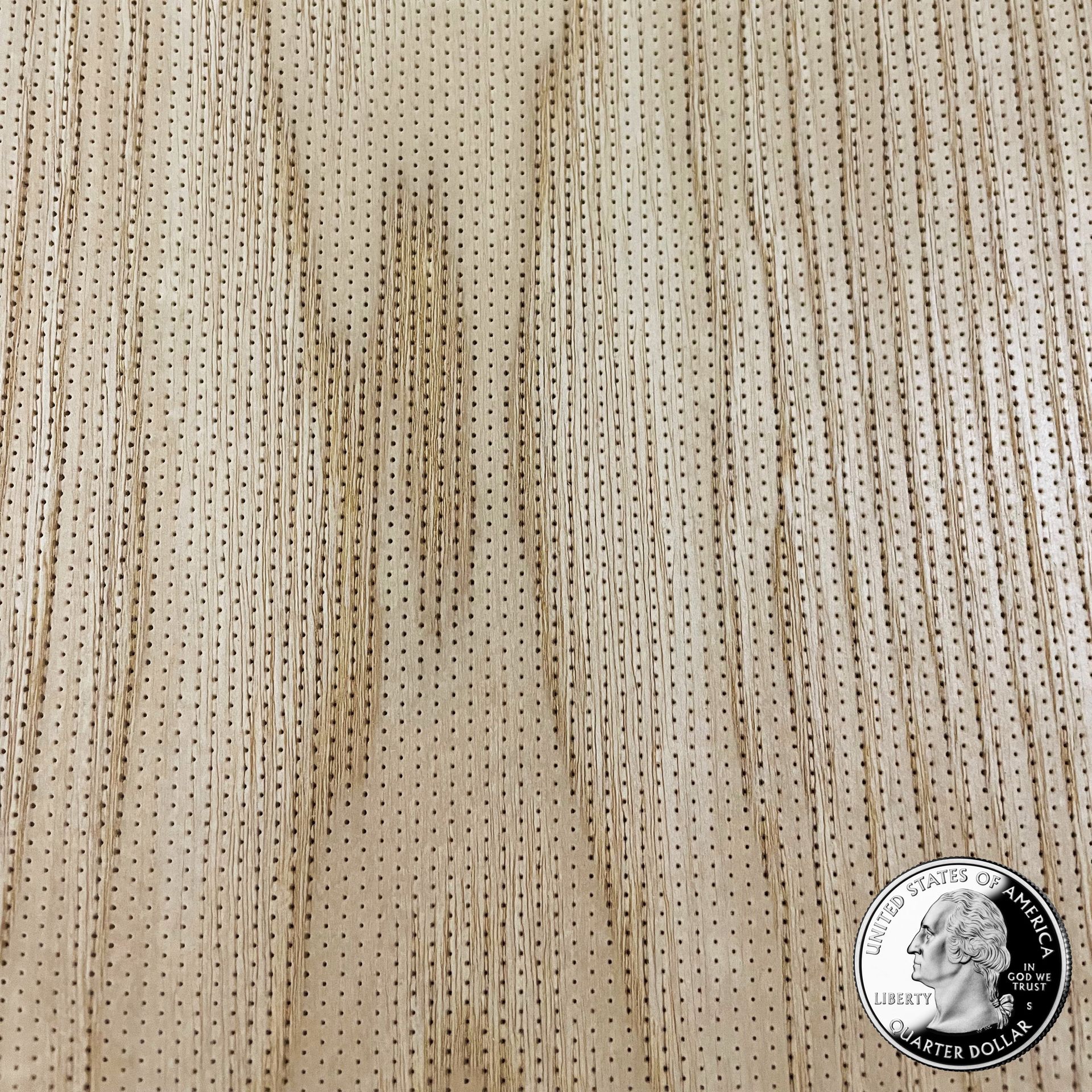
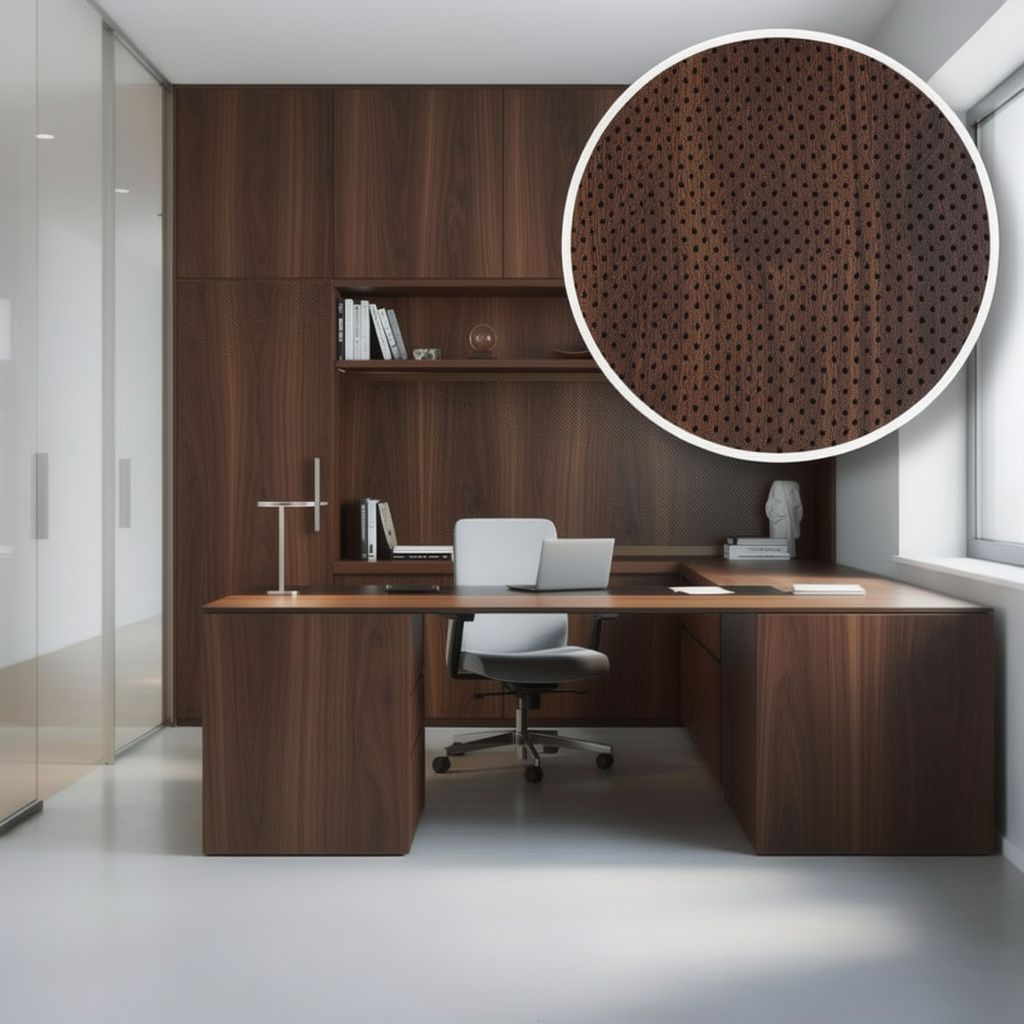
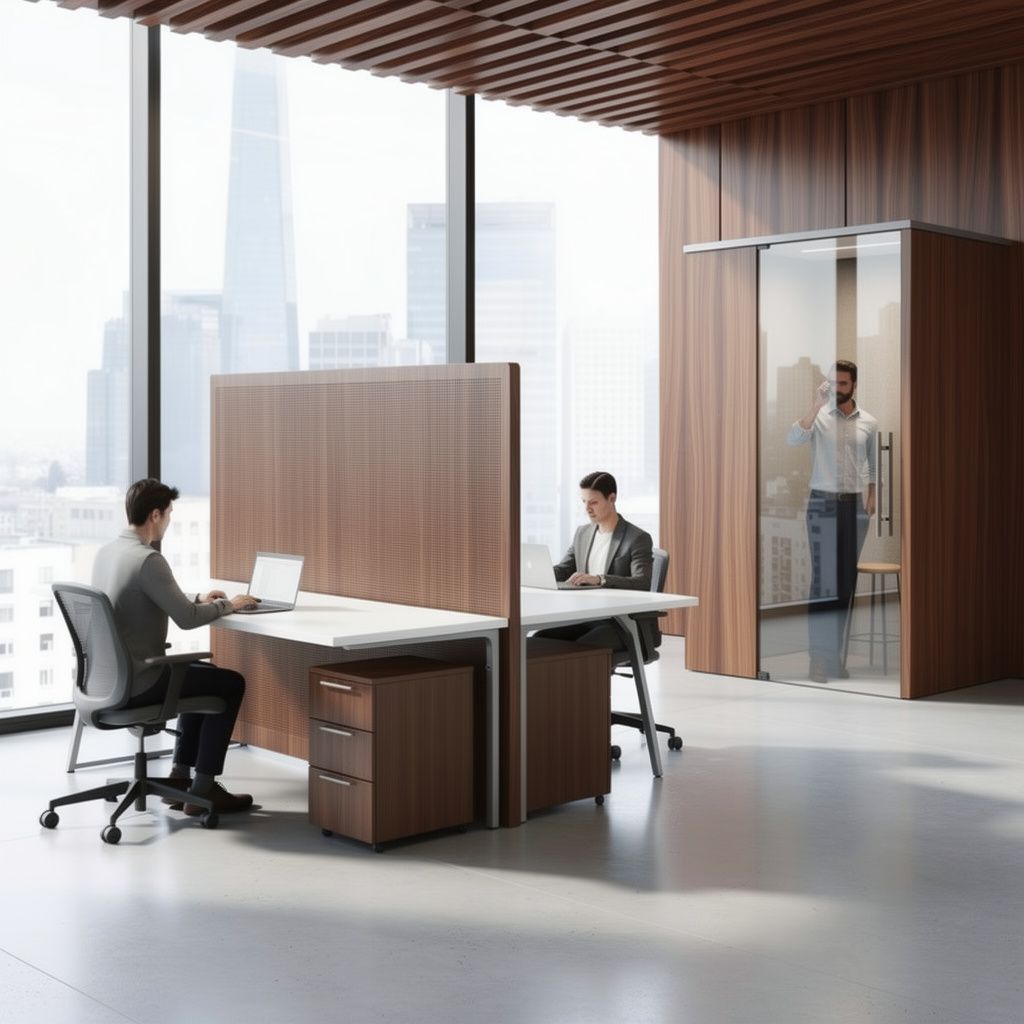
Most sound-absorbing furniture is made of porous materials. This helps stop noise from traveling between workstations. However, SoniQ™ Technology takes this a step further by using our 0.4mm laser-perforated veneered wood.

Instead of just putting up a "Band-Aid" fix with extra wall panels, you can use office acoustic solutions built into the furniture you already need. Our technology identifies every vertical surface—such as the sides of desks and cabinet fronts—and processes them to absorb sound. This gives you the privacy of an acoustic pod without the massive cost or the closed-in feeling.

The Unknown Benefits of Better Acoustics

When you invest in acoustic office solutions from SoniQ™ Technology, you aren't just buying furniture; you are buying focus. High-performance acoustic solutions ensure that employees can concentrate on their work rather than be distracted by every conversation in the room.

Think about the cognitive load on your team. When an office is noisy, the brain has to work twice as hard to filter out distractions while trying to finish a task. This leads to faster burnout and lower-quality work. By integrating sound absorption into the natural wood desks your team uses every day, you create a workspace that is actually conducive to getting things done.

Smarter Planning for a Quiet Office

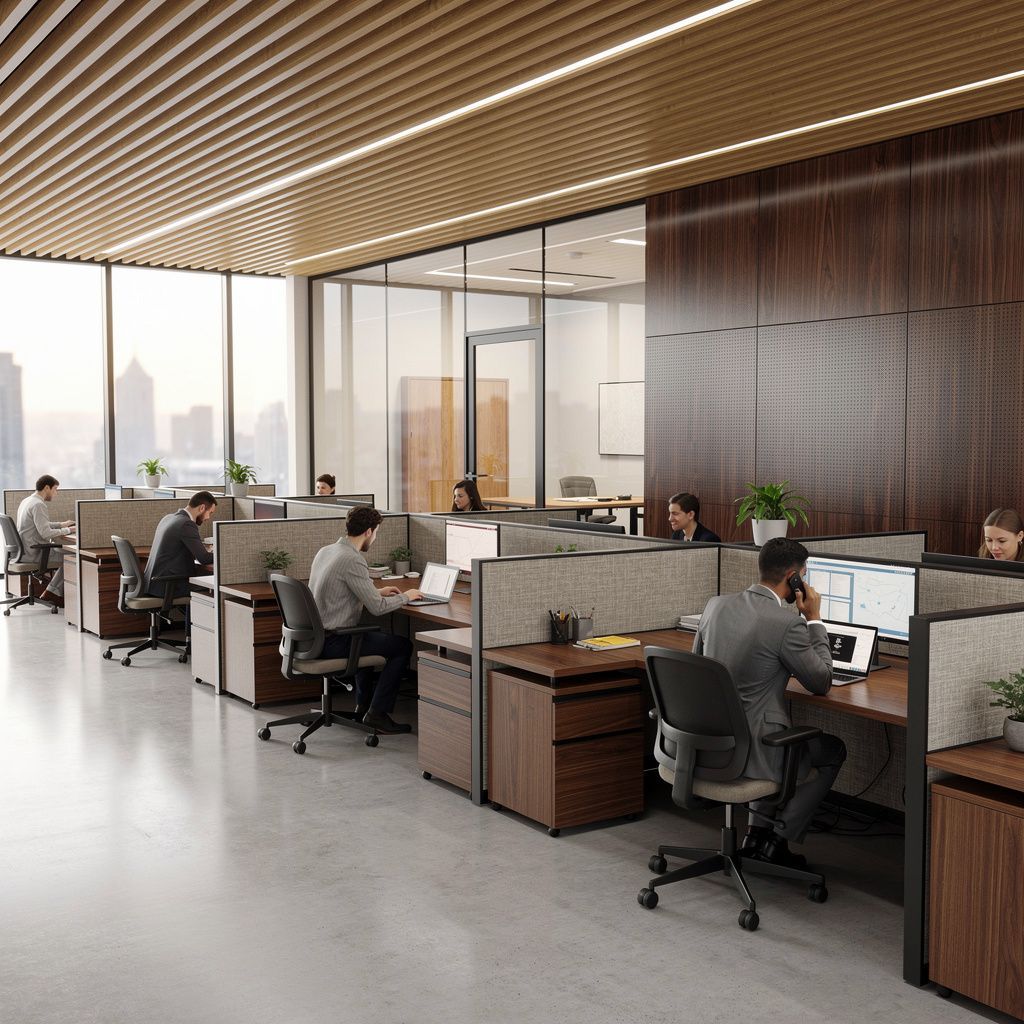
Creating a quiet office is about more than just a few ceiling tiles. It requires a comprehensive look at the space. For example, putting acoustic panels in collaborative zones can help contain the noise, while using SoniQ™ desks in executive areas provides the sound clarity needed for important calls.

Using SoniQ™ Technology is also a smart financial move. Fixing a room with expensive wall treatments or floor replacements can be cost-prohibitive. By turning your furniture into the primary sound absorber, you achieve your acoustic goals at a fraction of the cost of a full office renovation.

Hear the Difference with SoniQ™

Office noise cannot be ignored by managers who want a productive team. Untreated noise causes stress and ruins performance. A holistic approach that includes ceiling, wall, and furniture treatments is the only way to transform a noisy open plan into a professional environment.

If you are ready to move beyond basic ceiling tiles and give your team a workspace that truly supports their focus, it is time to consider SoniQ™. Our laser-perforated systems offer superior office acoustic solutions that maintain the beauty of natural wood while providing elite sound management.

Explore our full range of SoniQ™ furniture today and see how easy it is to build a quiet, efficient office.

Recent Posts

SoniQ logo in dark blue and gray with stylized Q underlined by a gray swoosh
July 20, 2026
Understand the difference between sound absorption and soundproofing and how to apply both in workplace acoustic design.
SoniQ logo in blue and gray text with a stylized Q
July 20, 2026
Learn what causes reverberation in offices and how to reduce echo with effective acoustic solutions.
SoniQ logo in blue and gray text with a stylized Q and trademark symbol
July 20, 2026
Learn why open floor plan offices struggle with acoustics and how to reduce noise with smarter design solutions.
SoniQ logo in blue and gray with a stylized Q on a white background
July 20, 2026
Explore how office noise impacts productivity and how acoustic solutions improve focus and performance.
SoniQ logo in blue and gray with a stylized Q.
July 1, 2026
Learn how acoustic wood furniture reduces noise, improves focus, and enhances workplace productivity through integrated sound absorption.
Learn what reverberation time is, why it affects speech clarity and comfort, and how proper acoustic
June 4, 2026
Learn what reverberation time (RT60) is, how it affects speech clarity and comfort, and how acoustic systems control echo and sound decay in modern spaces.
Acoustic wall and ceiling treatments designed to improve sound quality and reduce noise.
June 4, 2026
If the acoustics of your space aren’t up to par, you may be researching different acoustic products to add. However, “spot treating” isn’t going to cut it. You need to think about the space holistically and solve the root problem. That’s where acoustic systems come into play.
Furniture, walls, and ceiling treatments working together to improve sound control and acoustic comf
April 28, 2026
Discover how furniture, walls, and ceilings affect sound control and how acoustic treatments improve clarity, reduce echo, and manage noise.