What Is Sound-Absorbing Furniture and How Does It Work

August 24, 2026

Share this article

When you look at a piece of furniture, do you think about its sound-absorbing properties? Unless acoustics are top of mind, the answer is likely no. However, acoustic design can impact a room’s overall acoustics. This is true for nearly every type of space, including office workspaces, which are prone to excess noise.


While you can try to keep your coworkers’ chatter to a minimum in the central kitchen or mailroom, an even better solution is investing in high-quality
acoustic office furniture

The Engineering Behind Sound-Absorbing Furniture

You may be asking yourself how sound-absorbing furniture works and how it differs from standard office desks, bookshelves, and chairs. To start, sound-absorbing furniture is constructed differently than regular furniture. Sound-absorbing furniture is built with materials such as dense acoustic foam, natural wood, and other fibers and fabrics designed specifically for sound absorption. 


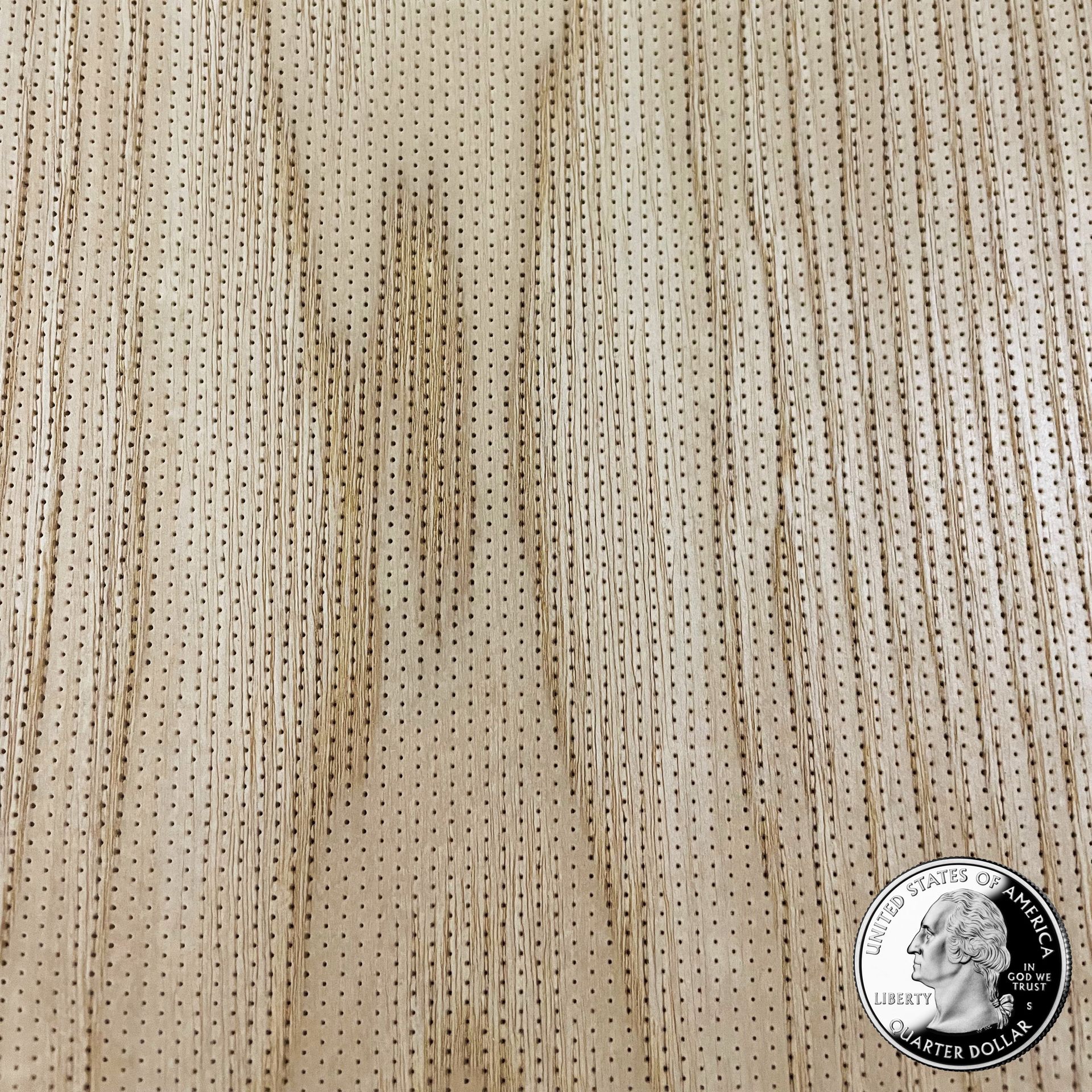
Most sound-absorbing furniture is made of porous, or softer, materials. Thicker fabrics, acoustic foam, or even open-cells within a piece of open-grain wood are all characterized as porous. Sound-absorbing furniture primarily uses porous materials because they can trap air waves, reducing echoes and room noise. They can also be beneficial in improving overall speech clarity — a non-negotiable for
open-floor plan workspaces. 

SoniQ™ Technology takes typical sound-absorbing furniture to the next level, leveraging 0.4mm micro-perforated veneered wood. This treatment gives employees the privacy of a closed-door acoustic office pod, without the enclosed space. Employees can concentrate on their work, with fewer distractions from outside noise or excessive workplace noise. 

Porous materials differ from reflective materials, which are the “norm” or standard in many untreated offices. Untreated wood, hard plastics, glass, concrete, and steel or metal frames are all examples of reflective materials, many of which are found in modern open-floor plan and loft-style offices. But as the name implies, these types of surfaces reflect sound, which can lead to echoing and reverberations. 


Untreated wood in particular can be detrimental to a room’s acoustics. Solid wood timber lacks open fibers or internal air pockets, which are necessary for trapping mid-to-high frequency sound waves. So while the smooth exterior (and cost) of untreated wood can be appealing, it will act as an acoustic mirror and reflect the sound in the space. The result is an office that is loud, noisy, and unnecessarily disturbing for your employees. 

Investing in acoustic office solutions from SoniQ™ technology is a smart financial decision for your entire workforce. These solutions are worth the cost because a quieter, better-performing environment can limit stress, elevate mood, boost productivity, and even increase long-term employee retention. 

How Sound Absorption Is Measured 

Sound absorption is measured in a unit called Sabins. One sabin is the equivalent of one square foot (or metric sabin = one square meter) of 100% absorbing material. To calculate the total Sabin count, multiply the surface area of a wooden material by its absorption coefficient (𝛼). 


Sabins = Square Feet Area x Absorption Coefficient (𝛼)


The higher the Sabins, the more control you have over
reverberation time, which is the total time it takes for sound energy in a space to fade or dissipate. 


The goal for reverberation time in an office is less than 1/2 second. While ceiling tiles and carpeted floors may be helpful, these surfaces alone typically won’t get the space to less than 1/2 second across the full speech frequency range. By replacing hard, reflective furniture with SoniQ™ furniture, the reverberation time decreases, as this type of furniture is better suited for absorbing sound than traditional furniture options.  

The Art of Sound-Absorbing Furniture Placement 

While ceiling tiles and wall panels are a good first step in reducing excess noise in an office, it isn’t the only solution. A holistic acoustic approach includes placing sound-absorbing furniture throughout the space. Doing so will reduce reverberation more effectively than relying on ceiling, wall, and floor treatments alone. 


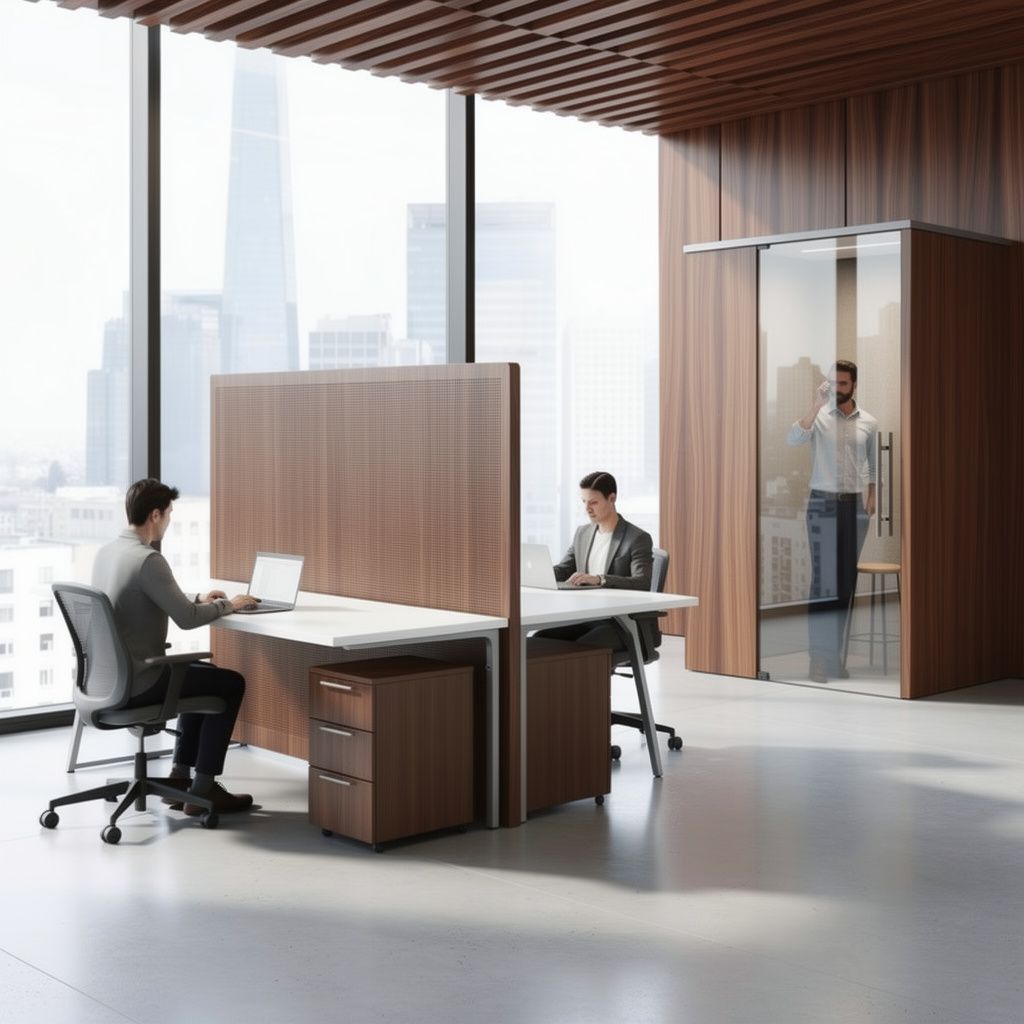
When sound-absorbing furniture is placed strategically, it can act as sound barriers within the space. A bookshelf dividing the space can block a conversation between two coworkers on the far side of the office. Positioning desks on the shorter side of a rectangular workspace can reduce echoes. Even low-level upholstered couches and chairs can help absorb sound waves and reduce
overall noise. The blend of different pieces of furniture and materials can significantly control office acoustics by absorbing, reflecting, and diffusing sound waves. 

Elevate Your Office Acoustics with SoniQ™

Each office is unique, which is why working with a team of acoustic consultants can help you identify the sound-absorbing furniture your office needs, as well as the best placement for each piece. Integrated acoustic furniture can be a determining factor in a workspace’s reverberation control. The beauty of SoniQ™ furniture is that it delivers exceptional acoustic performance without compromising on aesthetics. 


Take a look at the full range of
acoustic solutions. You’ll hear — and see — the difference for yourself.

FAQ

  • How does acoustic furniture differ from office pods for privacy?

    Engineered acoustic furniture looks and performs like standard office furniture, with the added acoustic benefit of dampening sound. These pieces are open or semi-enclosed. Office pods are fully sealed, independent rooms designed to block noise. Both acoustic furniture and office pods can create privacy in open-plan workspaces. Acoustic furniture tends to be more affordable and flexible than enclosed office pods. 


  • Is acoustic furniture needed in addition to ceiling treatments?

    Yes. Acoustic furniture is oftentimes needed in addition to ceiling treatments. Although acoustic ceiling tiles and baffles can reduce noise in offices with tall ceilings, they cannot eliminate all noise. Acoustic furniture pieces placed strategically throughout an office environment can reduce the overall reverberation time. Combining ceiling treatments with acoustic furniture creates a more holistic and balanced acoustic environment. 


  • How do porous materials differ from reflective materials?

    Porous materials, such as fabrics, open-grain wood, and acoustic foam, are softer materials. These materials are best for absorbing sound waves. Acoustic furniture made with SoniQ™ technology incorporates porous materials. Reflective materials are anything hard, including untreated wood, glass, concrete, and steel. These materials reflect sound waves, creating echoes and higher reverberation times. 

Recent Posts

August 24, 2026
If you’re familiar with sound-absorbing furniture, then you know just how well it does in reducing echoes and minimizing reverberations. That said, do you know what goes into creating these high-quality, performative pieces? The secret is the actual material: laser micro-perforated wood.

August 24, 2026
Learn how walls, ceilings, materials, and sound-absorbing furniture work together to reduce reverberation and create a better office environment.
SoniQ logo in blue and gray text on a white background
August 7, 2026
Learn what reverberation time (RT60) is, why it affects speech clarity and office productivity, and how better acoustic design improves workplace performance.
SoniQ logo in dark blue and gray text with a stylized Q.
August 6, 2026
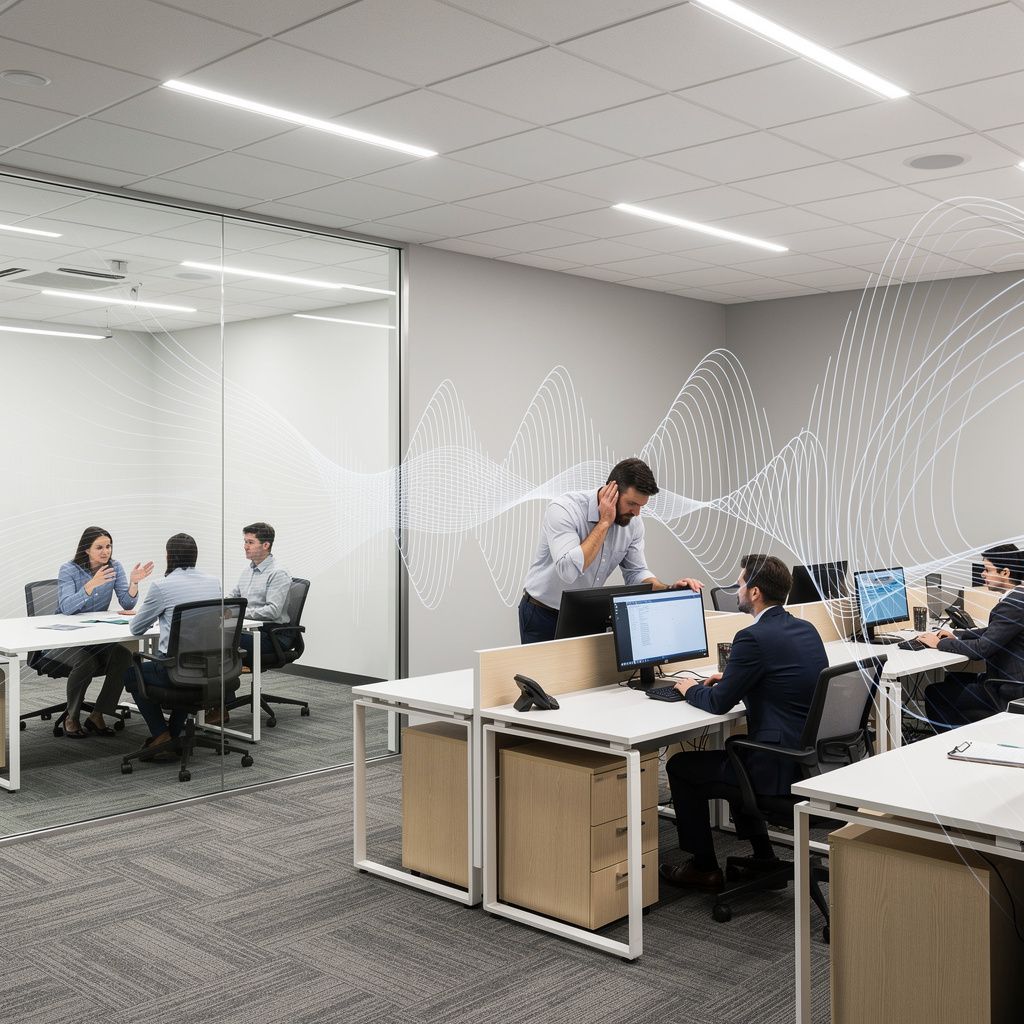
Echoes, reverberation, and office noise can reduce virtual meeting quality. Learn why office acoustics matter and how to improve speech clarity.
August 6, 2026
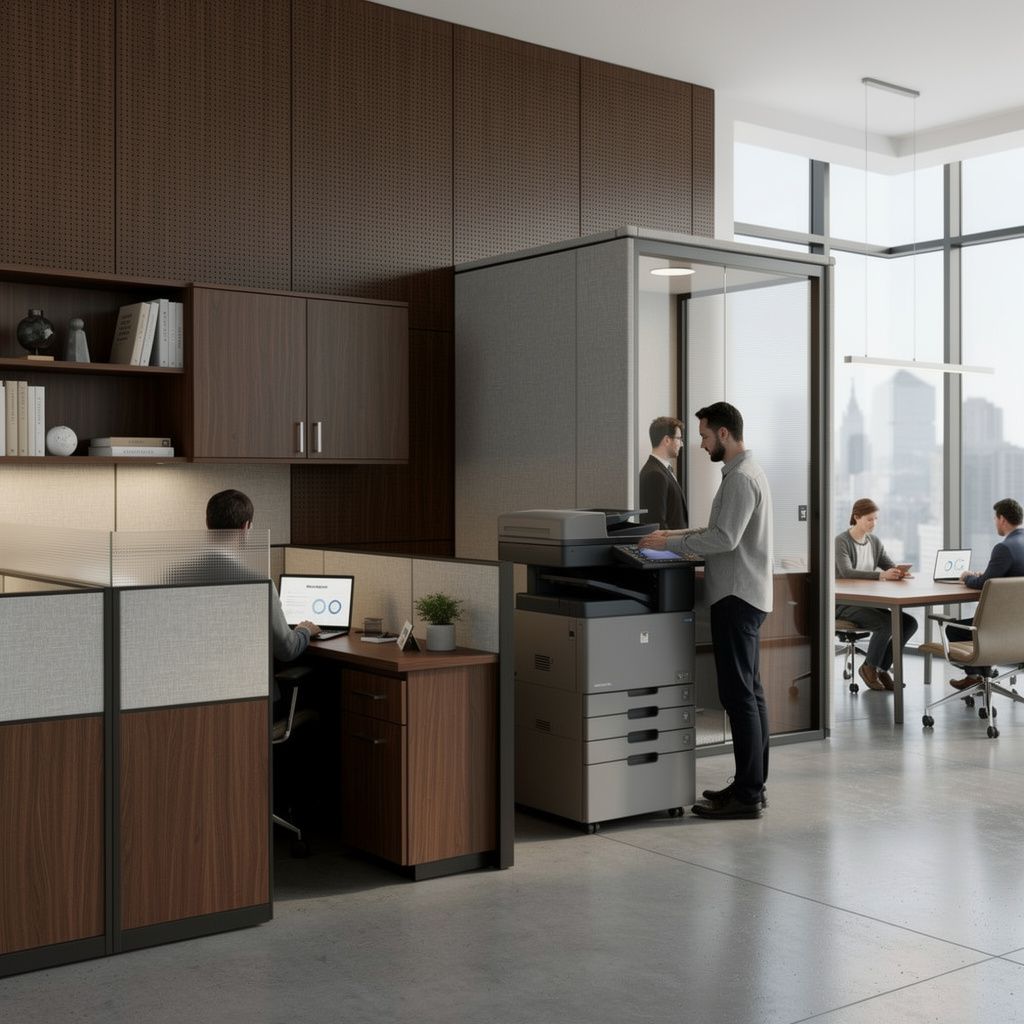
Office furniture does more than furnish a workspace. Learn how desks, seating, and acoustic furniture influence sound quality, reverberation, and workplace productivity.
SoniQ brand logo featuring blue and gray lettering
August 6, 2026
Ceiling tiles and carpet reduce some office noise but often fail to control reverberation. Learn why modern workplaces require a more complete acoustic solution.

SoniQ logo in dark blue and gray with stylized Q underlined by a gray swoosh
July 20, 2026
Understand the difference between sound absorption and soundproofing and how to apply both in workplace acoustic design.
SoniQ logo in blue and gray text with a stylized Q
July 20, 2026
Learn what causes reverberation in offices and how to reduce echo with effective acoustic solutions.
SoniQ logo in blue and gray text with a stylized Q and trademark symbol
July 20, 2026
Learn why open floor plan offices struggle with acoustics and how to reduce noise with smarter design solutions.
SoniQ logo in blue and gray with a stylized Q on a white background
July 20, 2026
Explore how office noise impacts productivity and how acoustic solutions improve focus and performance.
Show More