Why Virtual Meetings Sound Worse in Echoing Office Spaces

August 6, 2026

Share this article

Virtual meetings have transformed corporate communication, becoming a permanent staple in the workplace. Even for companies with mandated office policies, virtual meetings are a way to connect with coworkers in other offices, as well as with contractors, vendors, and clients. 


While there are numerous benefits to virtual meetings, a main drawback is the way sound is transmitted in open office environments. Poor call quality in modern offices can be a major source of frustration, leading to disgruntled employees. This can drastically impact hybrid and remote collaboration, decreasing engagement and leading to drops in
productivity

What’s Happening Acoustically: The Key Causes of Poor Call Quality 

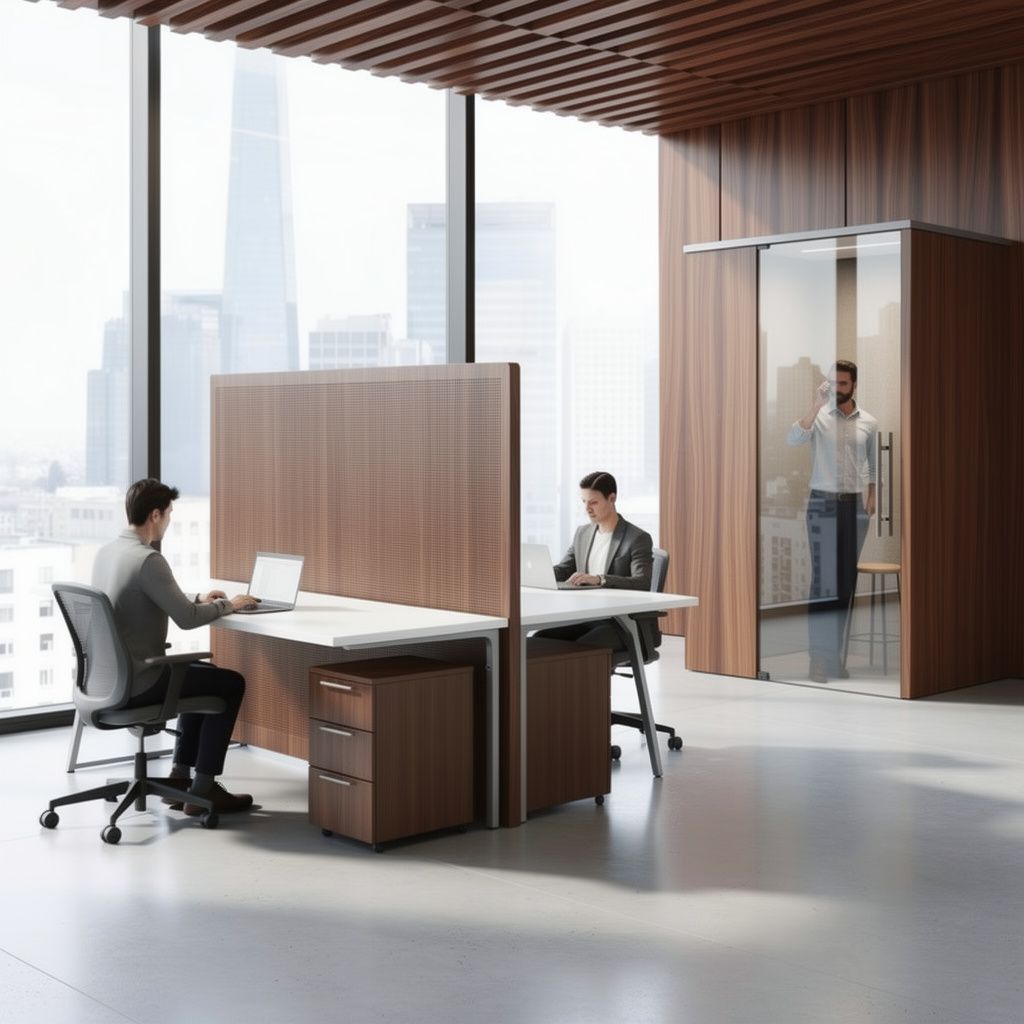
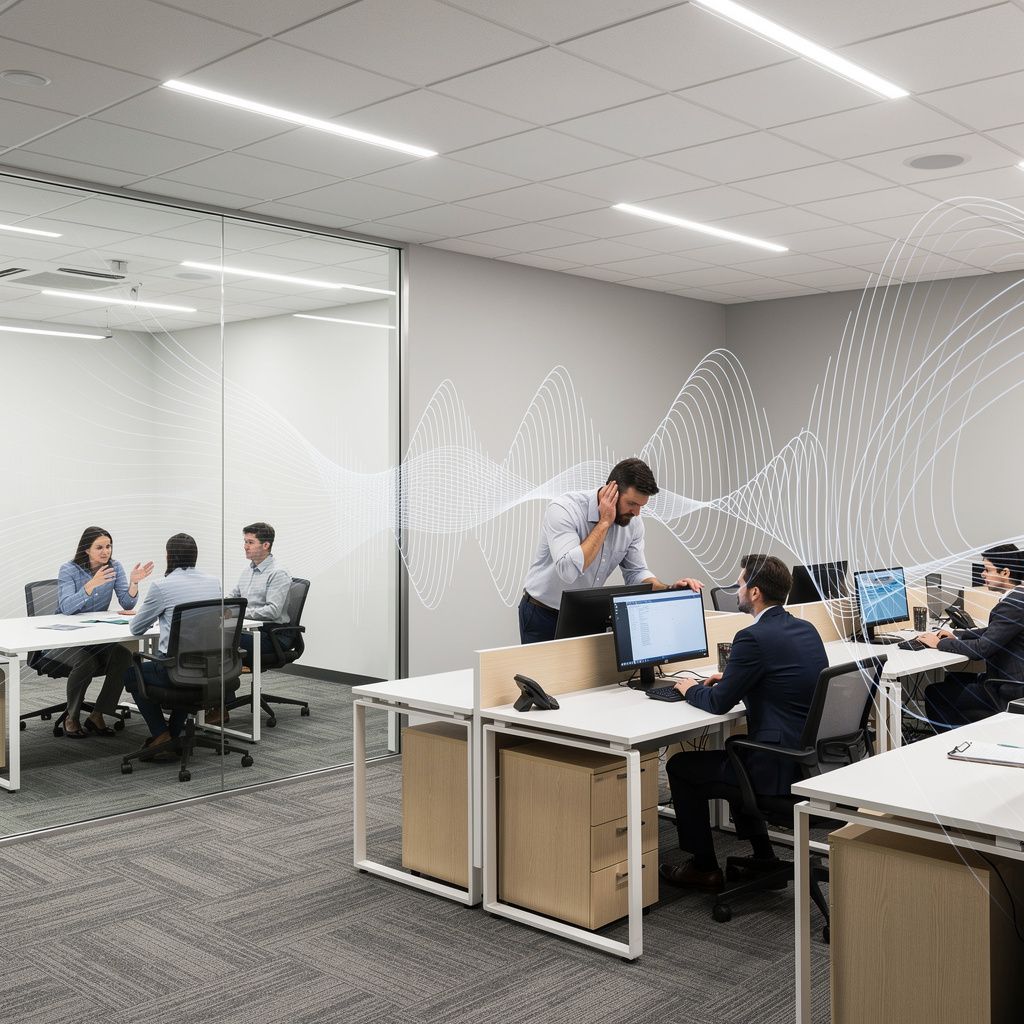
Modern-day offices oftentimes feature various hard surfaces, including glass, metal, and concrete. When sound enters the space, the sound waves reflect off these surfaces, creating high levels of reverberation. Even a laptop sitting on a piece of hard furniture can cause these reflections. These echoes can be picked up by laptop microphones, leading to low speech intelligibility.


Office spaces with high ceilings are another reason why your virtual calls may be problematic. The higher the ceiling, the longer the sound lingers in the room. This can lead to increased reverberation. Additionally, many offices lack soft materials, which are good sound absorbers. 


Another contributing factor is background noise. When in an office, you can’t control the HVAC system humming, nor can you control your coworkers chatting outside of the conference room. This background noise can be distracting to you and those on the call with you, and, unfortunately, many modern-day offices with minimal acoustic treatment tend to amplify these issues.

Office Acoustics Problems in Open Offices

Offices today are designed to be flexible, collaborative environments. Long gone are the days when cubicles filled the space, and leaders sat behind closed, locked office doors. Now, it’s all about having a mix of workstations so employees can collaborate with ease, choosing to sit in a lounge area rather than a boardroom. These newer options prioritize employee wellness; however, they can also lead to increased noise and reduced productivity. 


Offices with high ceilings and vast spaces fail to contain sound, leading to reverberation and amplification. Hard surfaces made from concrete, glass, and metal can create excessive noise buildup, which can be problematic for those trying to take virtual meetings from their desks. The solution is oftentimes a mix of office acoustics and sound masking. 

Office Acoustics vs. Sound Masking: What’s the Difference?

When noise is the problem at hand, you likely first think of ways to address it through office acoustic systems. These systems include everything from wall panels to ceiling treatments and are designed to reduce echoes and reverberations and improve a space’s overall sound quality. 


Sound masking, on the other hand, adds subtle background noise to help increase speech privacy. This can make distant conversations less distracting and help cover up unwanted noise. For
open-plan offices, sound masking is a great way to minimize the risk of confidential conversations being overheard. Common examples of sound masking include ceiling-mounted speakers playing pink noise, speakers in hallways to mask chatter in meeting rooms, and individual units placed outside offices to ensure private conversations remain private.

Office Acoustics Solutions for Noisy Workplaces

When used together, office acoustics and sound masking can be effective strategies for reducing office noise pollution and improving sound quality for in-person and virtual meetings. A layered approach to office acoustic solutions for noisy workplaces means absorbing, blocking, and covering the noise. 


Acoustic wall panels and ceiling clouds are used to absorb reflected noise before it spreads to other parts of the room. Soft furnishings, such as area rugs and upholstered furniture, can also help absorb and dampen noise. As for placement, absorption near speakers is crucial to minimizing first-sound reflections, which can significantly impact speech clarity and overall audio quality. 


Acoustic panels used to create individual quiet zones can help block sounds between desks. High-back chairs can also help block unwanted noise. Sound masking systems can help cover noise, as both white and pink noise can create a uniform background hum. 

Optimize Offices with SoniQ™ Technology

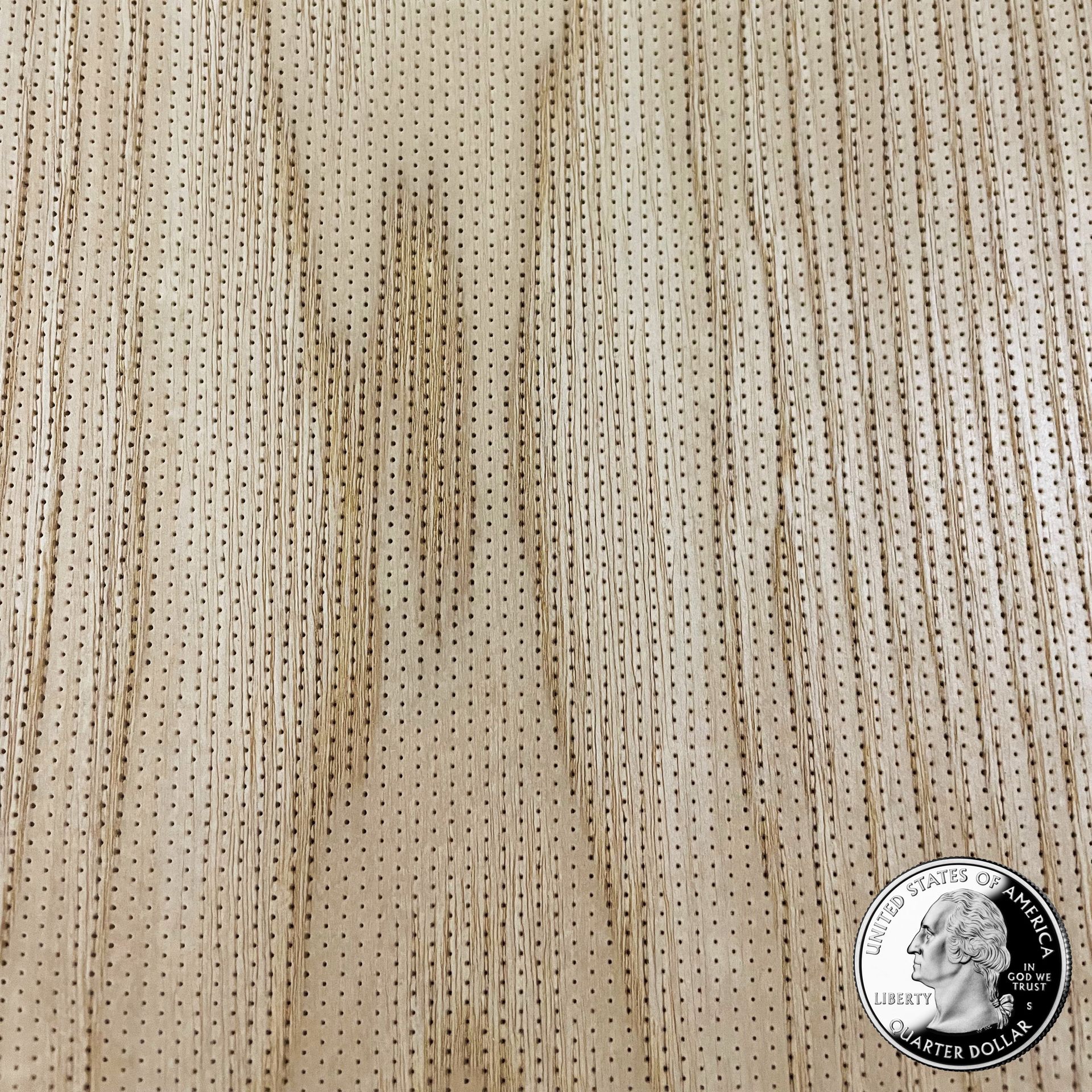
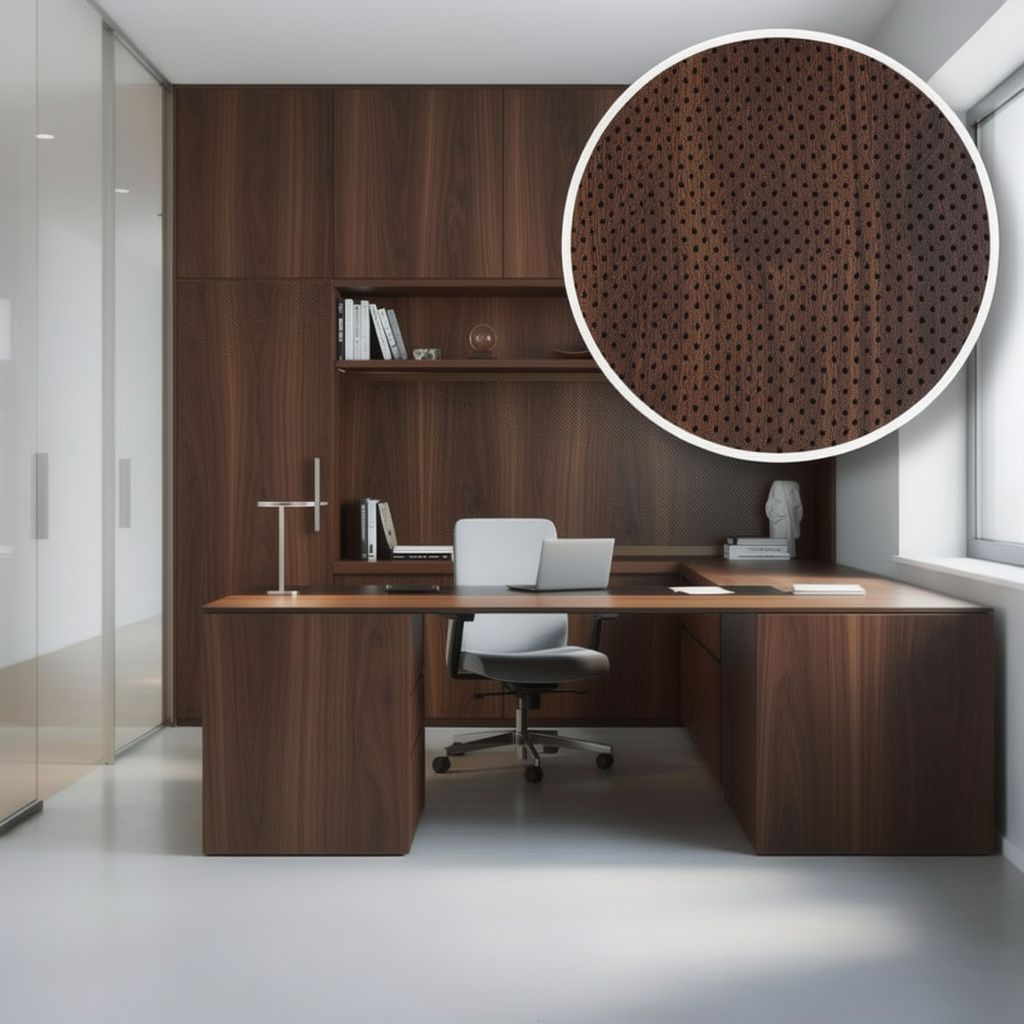
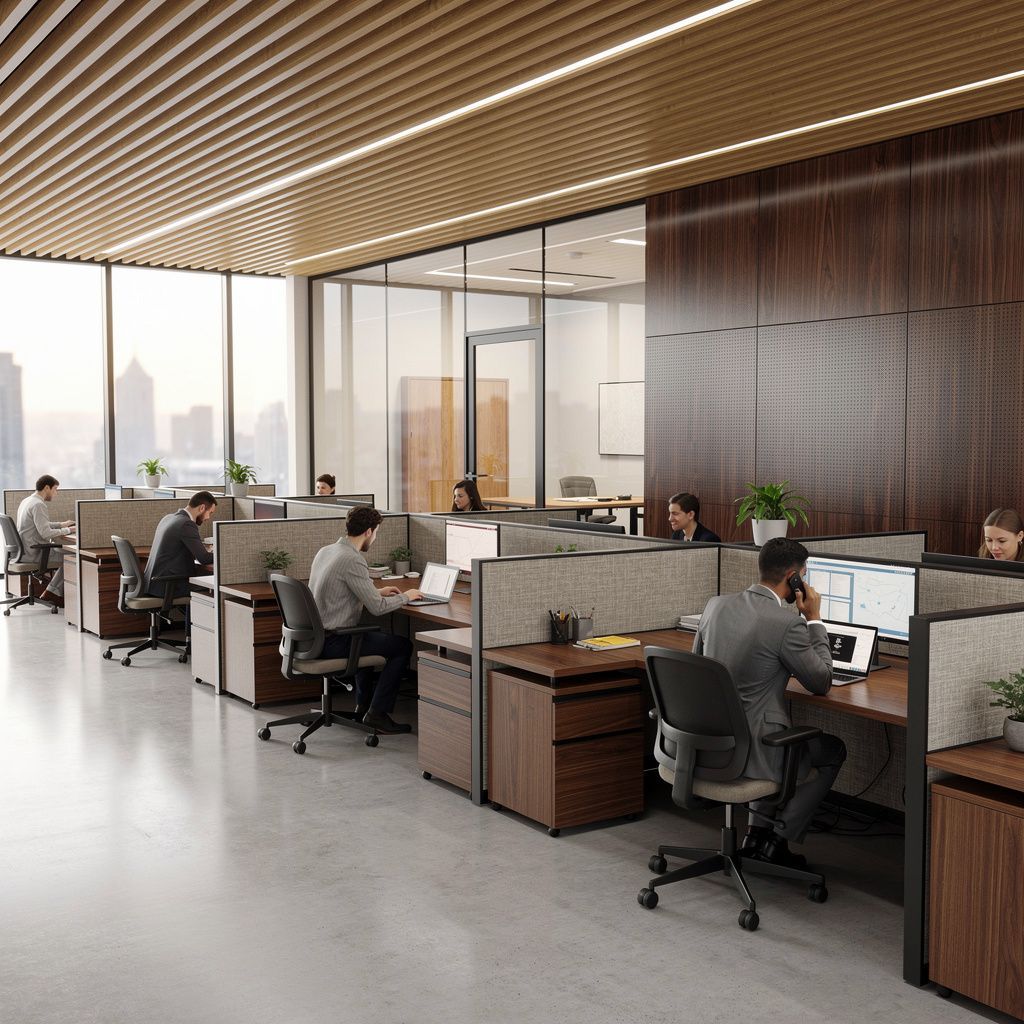
The balance of absorption, blocking, and covering can transform your office space. But to take your office acoustics to the next level, consider SoniQ™ Technology — a new way to optimize your office experience through acoustic furniture designed for performance. Our technology turns typical office furniture into sound-absorbing objects, minimizing the number of hard, reflective surfaces within the space.


As a result, furniture pieces with SoniQ™ Technology build intelligence into the office, offering productive and private spaces that minimize sound reflections and reduce noise. The result is an efficient workplace environment conducive to both in-person and virtual or hybrid meetings. 


Knowing that better meetings start with better acoustic environments, modern offices should focus on creating spaces that are both aesthetically pleasing and acoustically effective. 


We can provide different solutions to limit echo and reverberations and achieve high-performance sound management for modern workspaces.
Reach out now. 

Recent Posts

August 24, 2026
If you’re familiar with sound-absorbing furniture, then you know just how well it does in reducing echoes and minimizing reverberations. That said, do you know what goes into creating these high-quality, performative pieces? The secret is the actual material: laser micro-perforated wood.
August 24, 2026
Sound absorbing furniture reduces echo and reverberation in offices. Learn how porous materials work and how SoniQ™ furniture takes it further.
August 24, 2026
Learn how walls, ceilings, materials, and sound-absorbing furniture work together to reduce reverberation and create a better office environment.
SoniQ logo in blue and gray text on a white background
August 7, 2026
Learn what reverberation time (RT60) is, why it affects speech clarity and office productivity, and how better acoustic design improves workplace performance.
August 6, 2026
Office furniture does more than furnish a workspace. Learn how desks, seating, and acoustic furniture influence sound quality, reverberation, and workplace productivity.
SoniQ brand logo featuring blue and gray lettering
August 6, 2026
Ceiling tiles and carpet reduce some office noise but often fail to control reverberation. Learn why modern workplaces require a more complete acoustic solution.

SoniQ logo in dark blue and gray with stylized Q underlined by a gray swoosh
July 20, 2026
Understand the difference between sound absorption and soundproofing and how to apply both in workplace acoustic design.
SoniQ logo in blue and gray text with a stylized Q
July 20, 2026
Learn what causes reverberation in offices and how to reduce echo with effective acoustic solutions.
SoniQ logo in blue and gray text with a stylized Q and trademark symbol
July 20, 2026
Learn why open floor plan offices struggle with acoustics and how to reduce noise with smarter design solutions.
SoniQ logo in blue and gray with a stylized Q on a white background
July 20, 2026
Explore how office noise impacts productivity and how acoustic solutions improve focus and performance.
Show More