The Impact of Office Noise on Productivity and Focus

July 20, 2026

Share this article

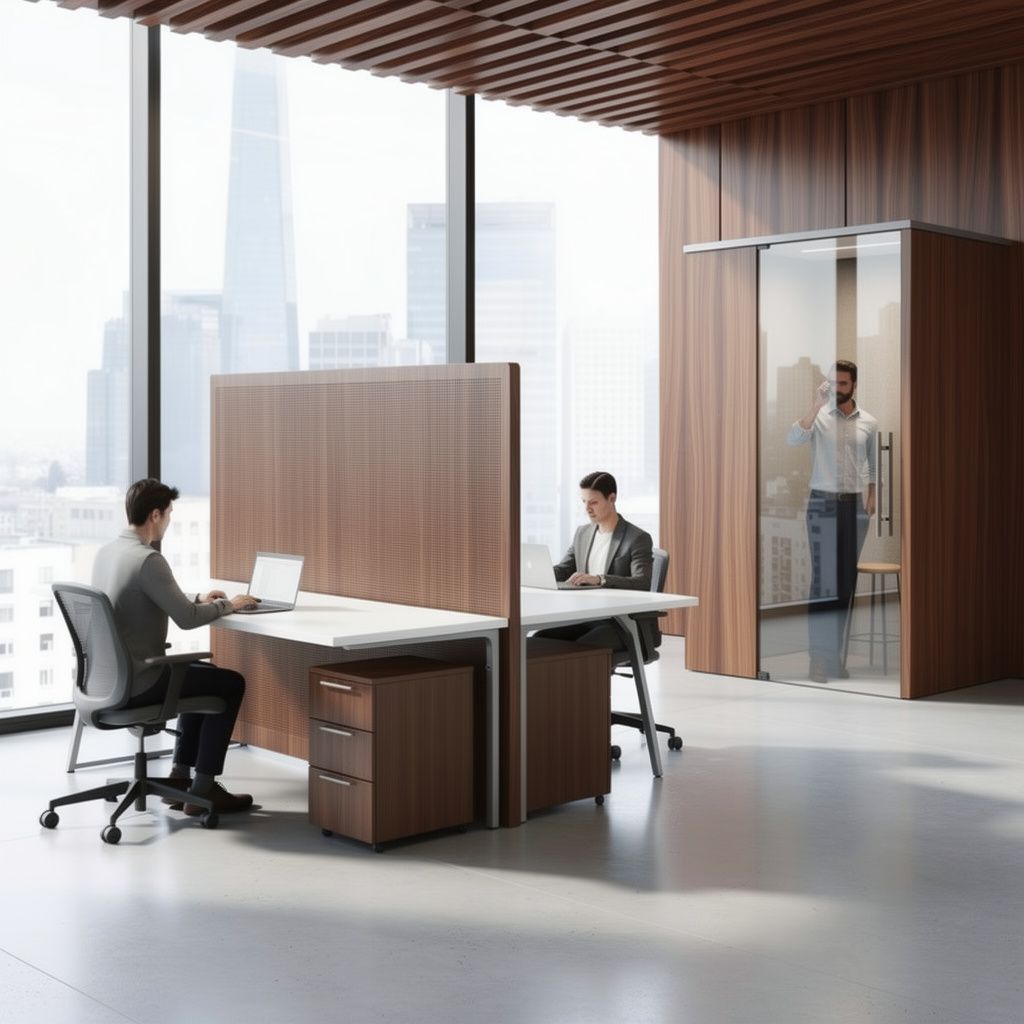
Open floor plans and flexible workstations are popular ways to encourage collaboration, but they can come with a loud downside: office noise. As more companies bring teams back together into the office, this noise is becoming an increasingly bigger problem. Most workplaces are simply not set up correctly from an acoustic standpoint, lacking the basic acoustic office solutions

Why Office Noise is a Productivity Killer

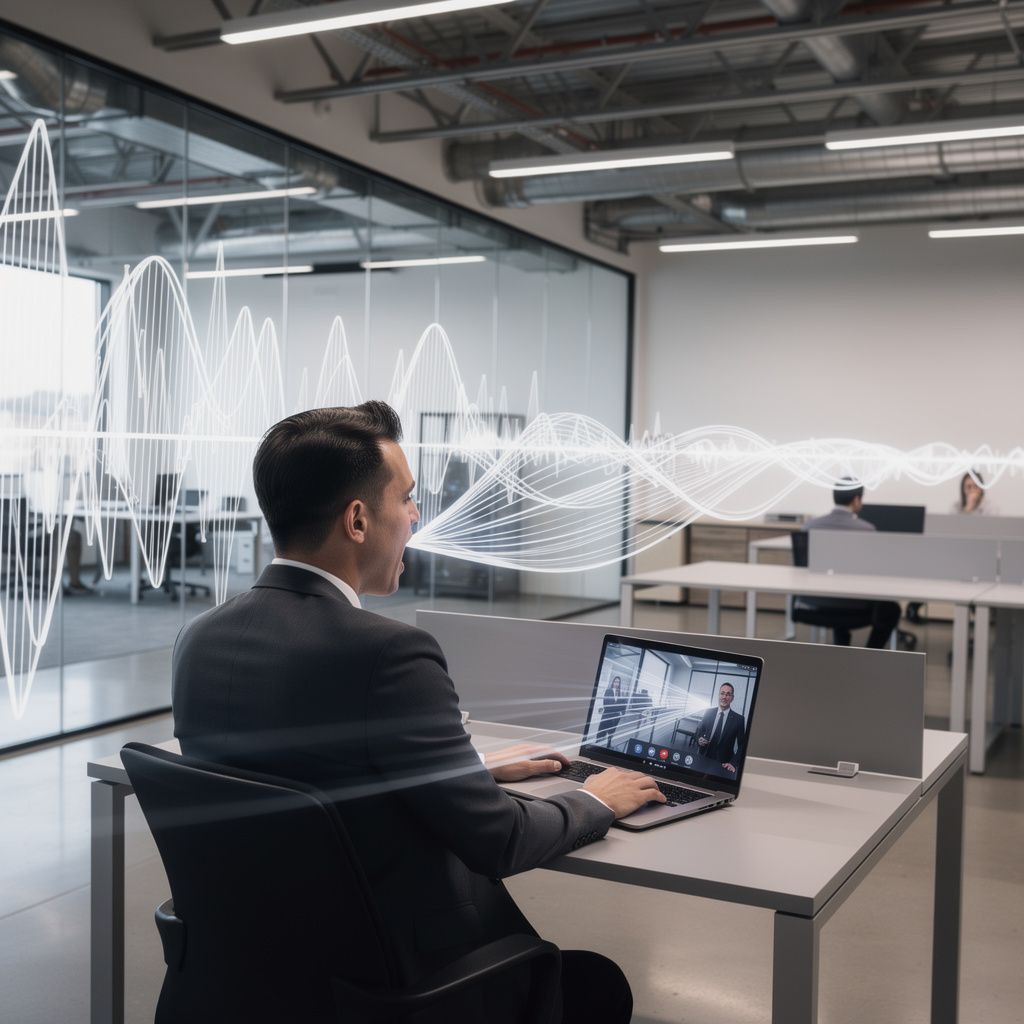
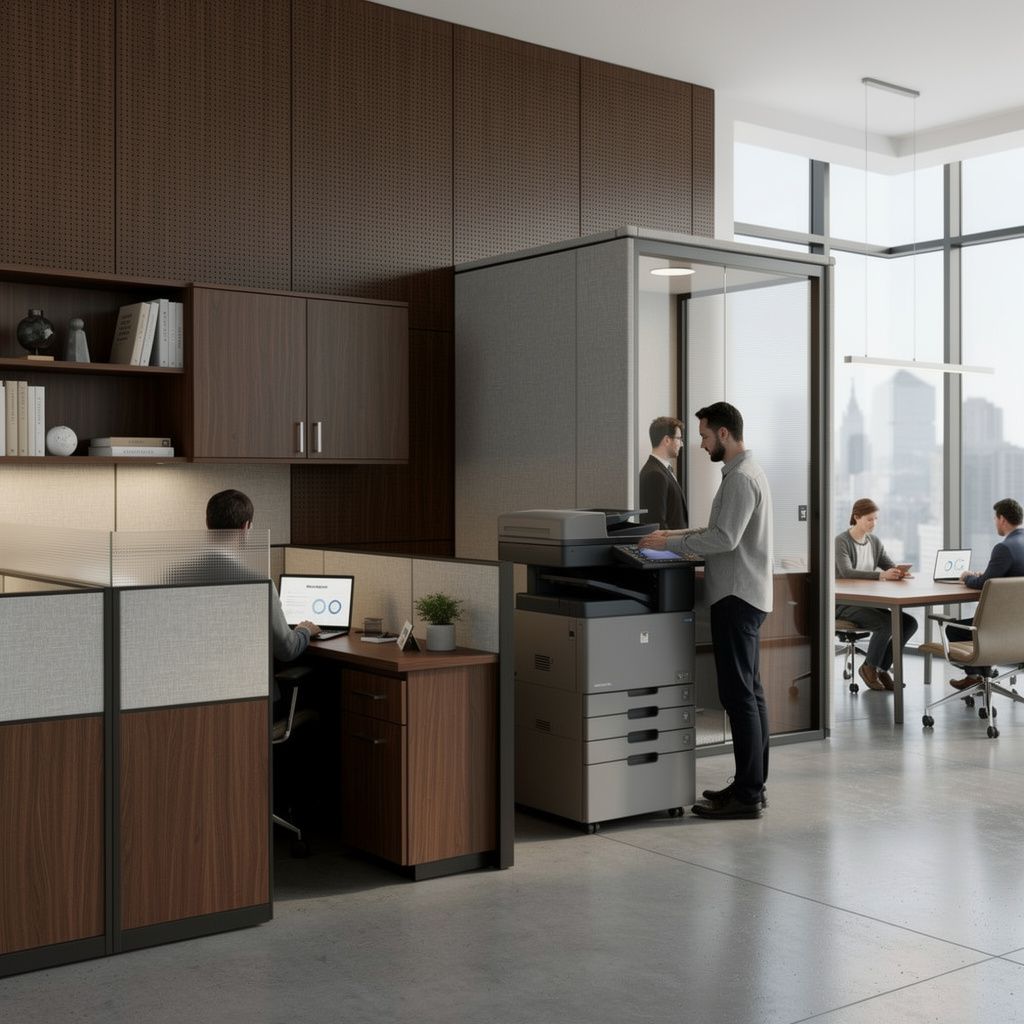
The truth is that offices are naturally noisy places, and that noise comes from every direction. You have coworkers talking, Zoom or video conference calls happening at individual desks, keyboards clacking, and the constant hum of printers and HVAC systems. Even if you try to create dedicated quiet zones, it is nearly impossible to eliminate these noises. This mix of sound not only annoys people; it directly affects their work and mental well-being.

Office noise is more than just a minor annoyance; it can directly impact employee performance and diminish work quality. Here is how it happens:

  • It Overloads Your Brain: When you are trying to concentrate on a difficult task, like writing a brief or finalizing billing, background noise is a major distraction from your thoughts. Your brain has to do extra work to filter out the noise while focusing on the project, which increases your "cognitive load". Overhearing a conversation from a colleague nearby is actually much harder for your brain to ignore than a constant machine hum. This makes an employee work twice as hard just to complete one assignment.
  • It Spikes Stress and Fatigue: Excess noise can trigger elevated cortisol levels — the stress hormone that primarily sets off the "fight-or-flight" response. When you feel agitated by noise at work, your body stays on high alert, which leads to faster mental exhaustion. If this continues, it will inevitably lead to irritability and burnout.
  • It Ruins Accuracy: Office noise not only slows you down; it can also affect the accuracy and quality of your work. Studies show that noise can affect cognitive performance and brain signals. When a colleague is chatting nearby, the brain shifts attention to that noise instead of concentrating on the task, leading to careless and costly errors. Poor performance at work may mean the task needs to be redone by another colleague, creating duplicate work. Returning to work after a distraction requires you to reorient yourself, which increases the likelihood of missing details.

Real Acoustic Office Solutions

Knowing how much office noise hurts performance, you cannot afford to ignore it. Untreated noise creates a stressed, inefficient workforce. Thankfully, there are several ways to fix it.

Many offices use wall-mounted acoustic panels to absorb sound waves that bounce off adjacent glass, metal, or concrete. Others use diffusion systems to scatter sound or hang baffles from high ceilings to lessen reflections. While these work, they often take up physical wall or desk space, or drastically change the look of the office.

This is where SoniQ™ Technology offers a better way. Instead of just adding panels to your walls, you can use sound-absorbing furniture to solve the problem at the source. By turning your desks and cabinets into high-performance office acoustic solutions, you stop the noise exactly where it is created.

The SoniQ™ Engineering Approach

The design begins by identifying enough vertical surfaces for acoustic processing. We look at every vertical component exposed to the environment—from modesty panels to cabinet doors to the sides of desk legs—and process them to enhance sound-absorbing performance.

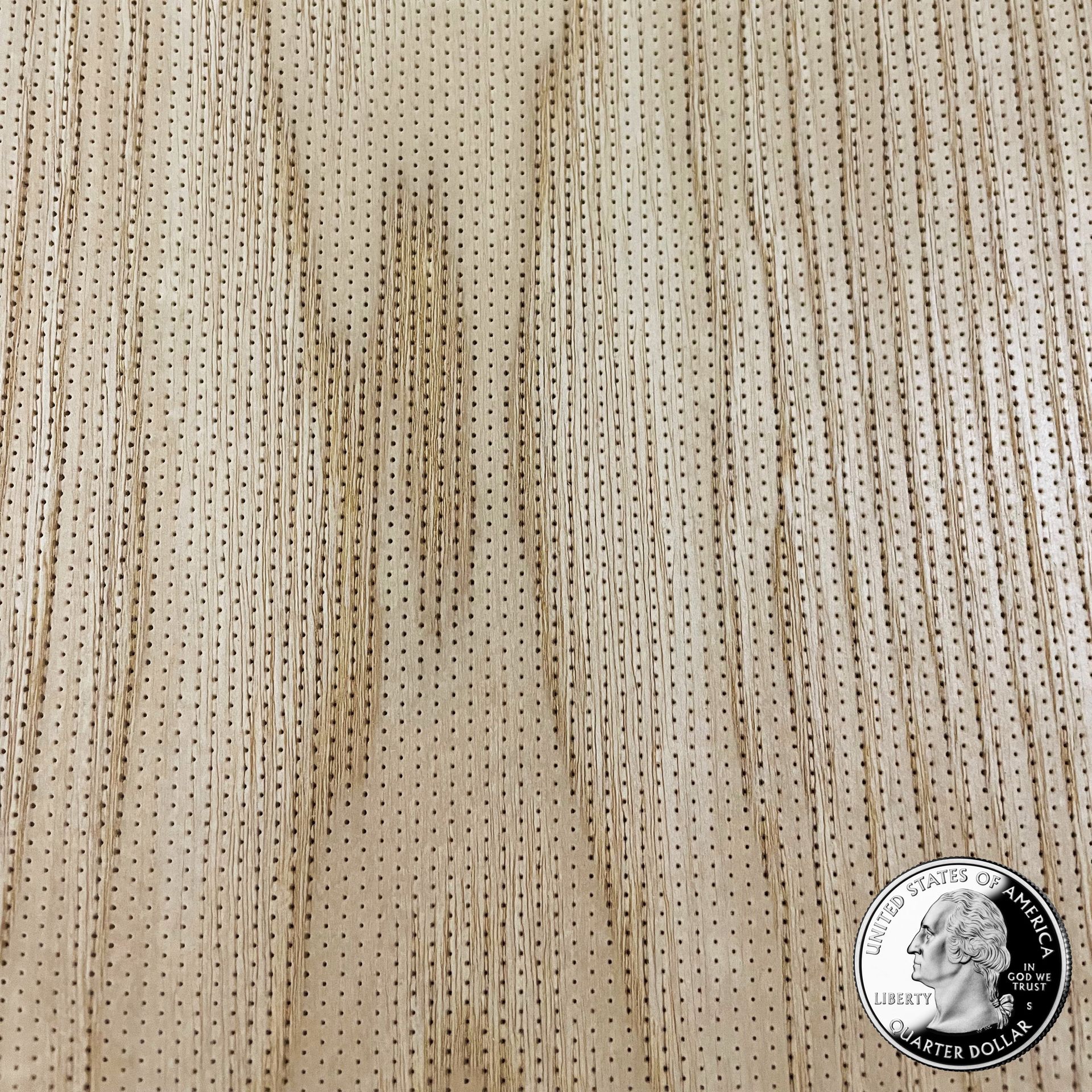
The "magic" is our just-perceptible 0.4 mm laser perforations. These tiny holes reduce the sound while leaving the wood's natural beauty intact. This optimization brings together the elegance of wood design with high-efficiency sound absorption.

Why "Good Looking" Isn't Good Enough

The goal for reverberation time in an office is less than 1/2 second. Most designers believe an absorptive tile ceiling and carpet will do the trick, but those alone usually cannot reach that goal. When you swap reflective furniture for SoniQ™ furniture, the absorption (measured in Sabins) increases significantly across the entire speech range. Laboratory comparisons show that SoniQ™ furniture absorbs far more sound than "regular" furniture, which is normally reflective.

The Economics of Silence

Fixing the sound after the fact is expensive. For a standard 10'x13' office, you might spend $3,000 on fabric walls or up to $12,000 on high-end wood wall panels just to reach your acoustic goals. However, the cost to convert regular furniture into SoniQ™ furniture is often only around $1,200. This eliminates the need for any extra wall treatments.

Transform Your Office with SoniQ™

Using acoustic solutions that are built directly into your workspace helps your brain stay focused on the project, not the noise. To learn more about how noise affects the body, you can read the World Health Organization reports on environmental noise or check out the Occupational Safety and Health Administration (OSHA) guidelines for workplace safety. Bringing an experienced acoustic team into the design phase helps ensure your office is conducive to work.

If you are ready to stop the "sonic clutter" and give your team space actually to think, explore our SoniQ™ systems today. It is the ultimate optimization of the office environment, bringing together the elegance of natural wood design with high-efficiency sound absorption.

Recent Posts

September 3, 2026
Sonic clutter makes offices feel chaotic and hard to focus in. Learn what causes it and how acoustic furniture helps reduce noise buildup.

Soni logo in blue and gray text on a white background
September 3, 2026
Vertical surfaces like walls, desks, and cabinets drive office reverberation. Learn why they matter and how absorptive surfaces fix it.
SoniQ logo in dark blue and gray on a white background
September 3, 2026
Modern desk and workstation systems can hurt office acoustics. Learn how sound-absorbing materials fix reflective surfaces and cut reverberation.
SoniQ logo in blue and gray text with a stylized gray Q
September 3, 2026
What makes sound-absorbing wood furniture actually work? Explore the acoustic physics behind reverberation, absorption, and frequency response.
August 24, 2026
If you’re familiar with sound-absorbing furniture, then you know just how well it does in reducing echoes and minimizing reverberations. That said, do you know what goes into creating these high-quality, performative pieces? The secret is the actual material: laser micro-perforated wood.
August 24, 2026
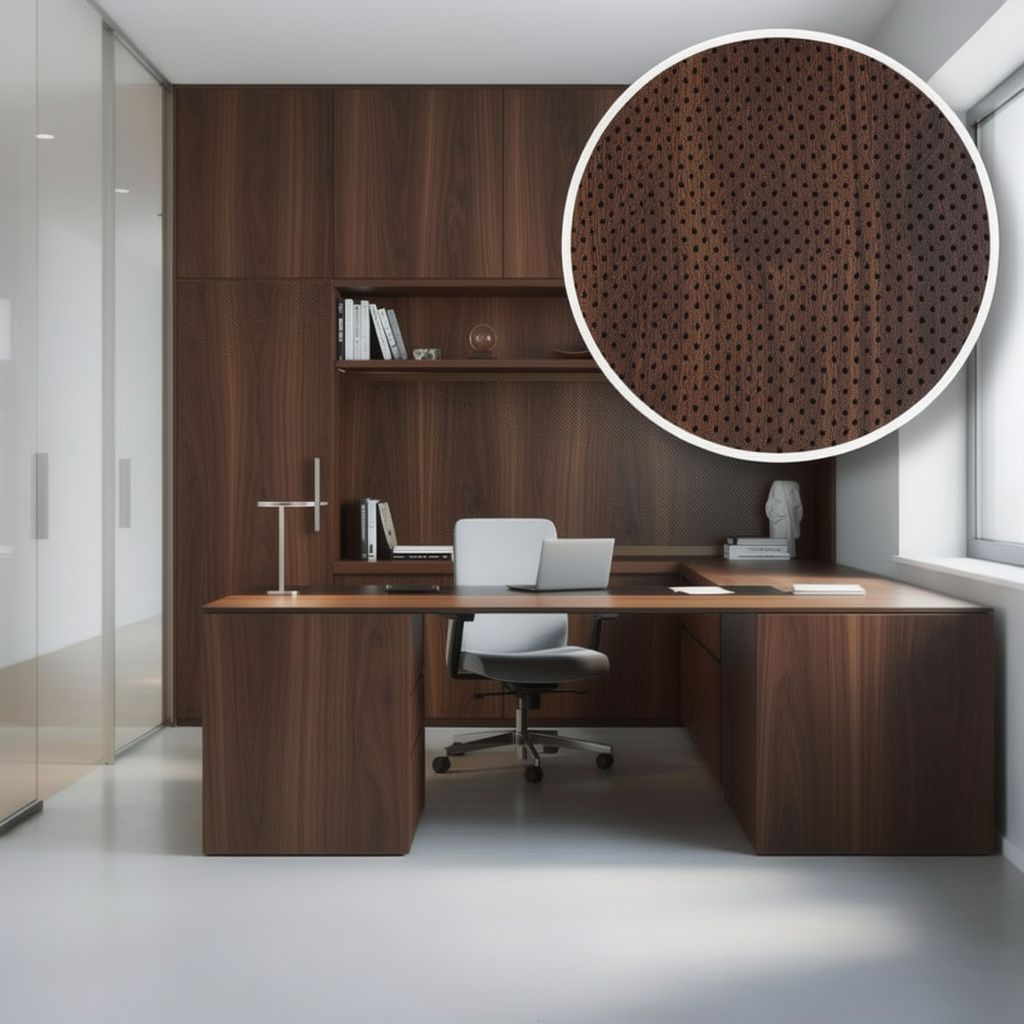
Sound absorbing furniture reduces echo and reverberation in offices. Learn how porous materials work and how SoniQ™ furniture takes it further.

August 24, 2026
Learn how walls, ceilings, materials, and sound-absorbing furniture work together to reduce reverberation and create a better office environment.
SoniQ logo in blue and gray text on a white background
August 7, 2026
Learn what reverberation time (RT60) is, why it affects speech clarity and office productivity, and how better acoustic design improves workplace performance.
SoniQ logo in dark blue and gray text with a stylized Q.
August 6, 2026
Echoes, reverberation, and office noise can reduce virtual meeting quality. Learn why office acoustics matter and how to improve speech clarity.
August 6, 2026
Office furniture does more than furnish a workspace. Learn how desks, seating, and acoustic furniture influence sound quality, reverberation, and workplace productivity.

Show More