How Office Furniture Affects Workplace Acoustics
An empty office isn’t functional without the right selection of furniture. Durable desks, modular conference tables, lounge seating, collaborative workstations, expansive boardroom tables, cabinets, and bookshelves are just some of the common pieces you’d expect in a modern office today. And while these pieces may be practical from a usability standpoint, they can directly impact the acoustics of the office environment.
Acoustics are often ignored when choosing furniture; however, choosing the right mix of pieces and placing them strategically can make or break the space’s sound quality.
Why Traditional Furniture Reflects Sound
Traditional office furniture is often categorized by its heavy, solid construction. Made from wood and hard-engineered plastics, this is great from a durability perspective but not so great acoustically. Achieving high-quality sound in any room, but particularly in an office, relies on how sound waves interact with the space’s surfaces. Hard, reflective materials found in most office furniture creates a bounceback effect, which — if not properly treated — can lead to reverberations and echoes.
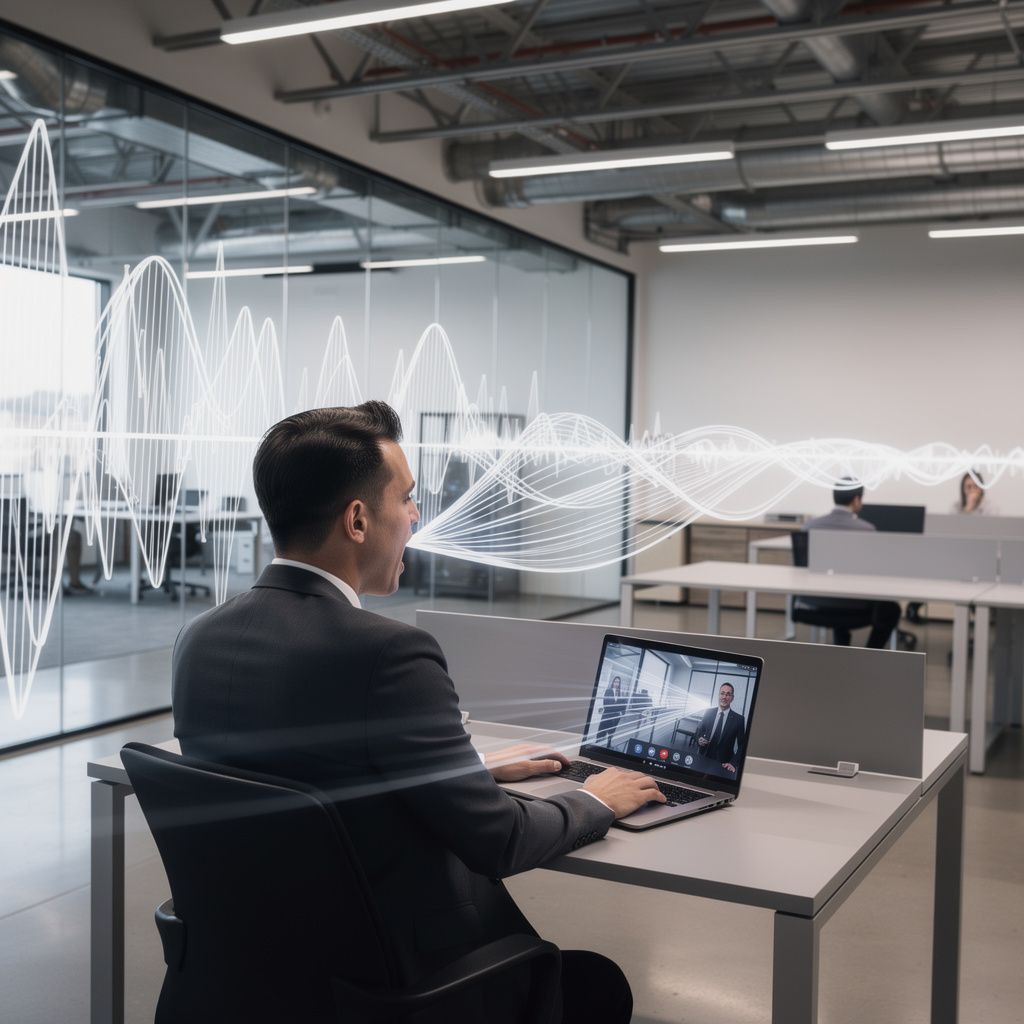
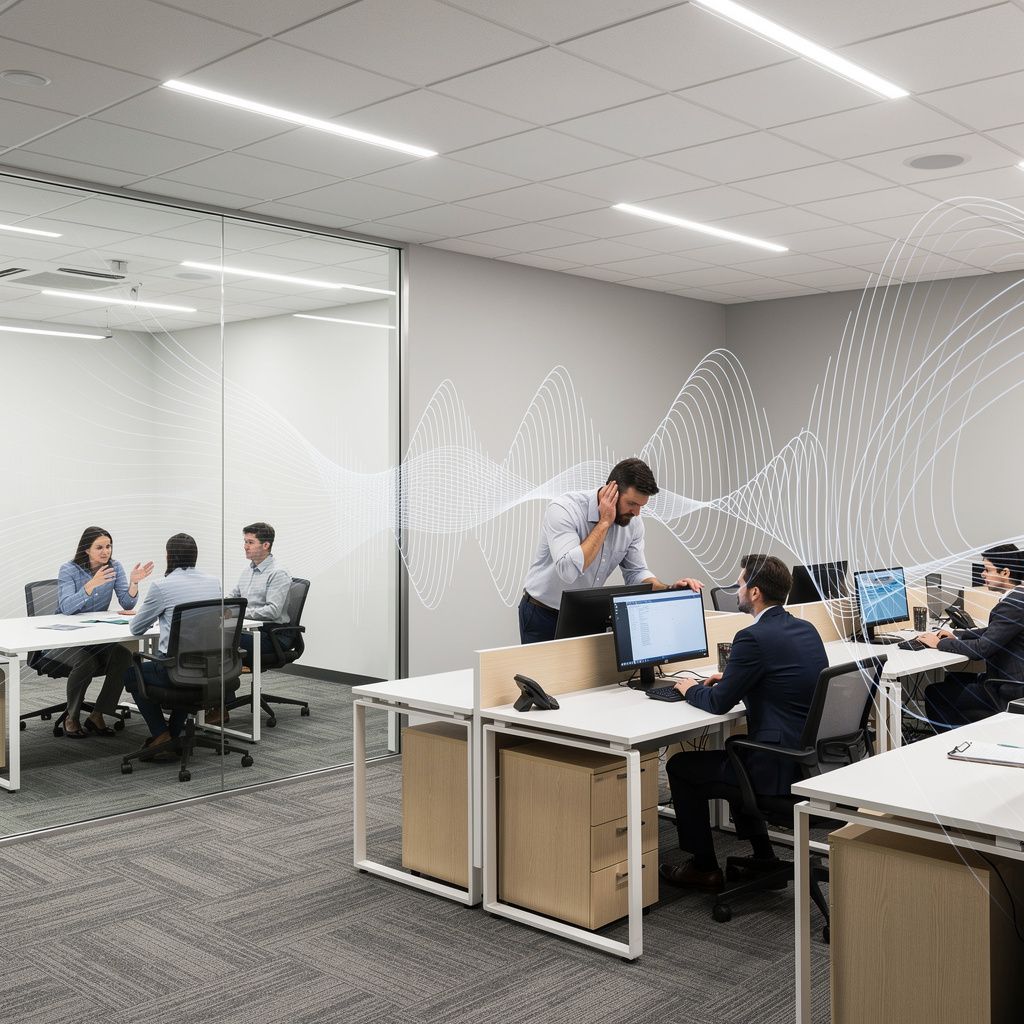
Hard surfaces increase noise buildup — another challenge for offices to overcome. Noise in an office comes from multiple sources. Employees conversing amongst themselves, virtual meetings happening from lounge areas, printers whirling, and HVAC systems humming can quickly escalate. When sound enters a space, the sound waves find hard, smooth surfaces like glass, metal, wood, and concrete and bounce back. Many of these materials are found in modern, open-floor-plan offices, which is why traditional furniture isn’t always the best option.
What is Sound Absorbing Furniture and Does it Actually Work
Sound-absorbing furniture isn’t new. Soft, upholstered furniture has always absorbed sound. But the specialized category of high-performance furniture that is both aesthetically pleasing and sound-absorbing is revolutionary. New technology is accelerating the growing demand for these types of pieces, especially in corporate office environments.
Of course, the main question remains: does sound-absorbing furniture actually work? The short answer is a resounding yes.
Known for its functionality, sound-absorbing furniture is designed with porous, soft, or textured materials that trap sound waves. This leads to reduced echoes, reverberations, and minimized noise reflections. By using acoustic materials — such as acoustic felt, mineral wool, or thick fabric — in its design, this furniture creates a quieter, more comfortable environment. Because of this, sound-absorbing furniture is an effective solution for improving internal acoustics, increasing speech clarity, and lowering overall noise levels. For
open-plan offices, this can be a critical investment in creating a functional environment conducive to
productivity.
Sound-Absorbing Office Furniture for Open Offices
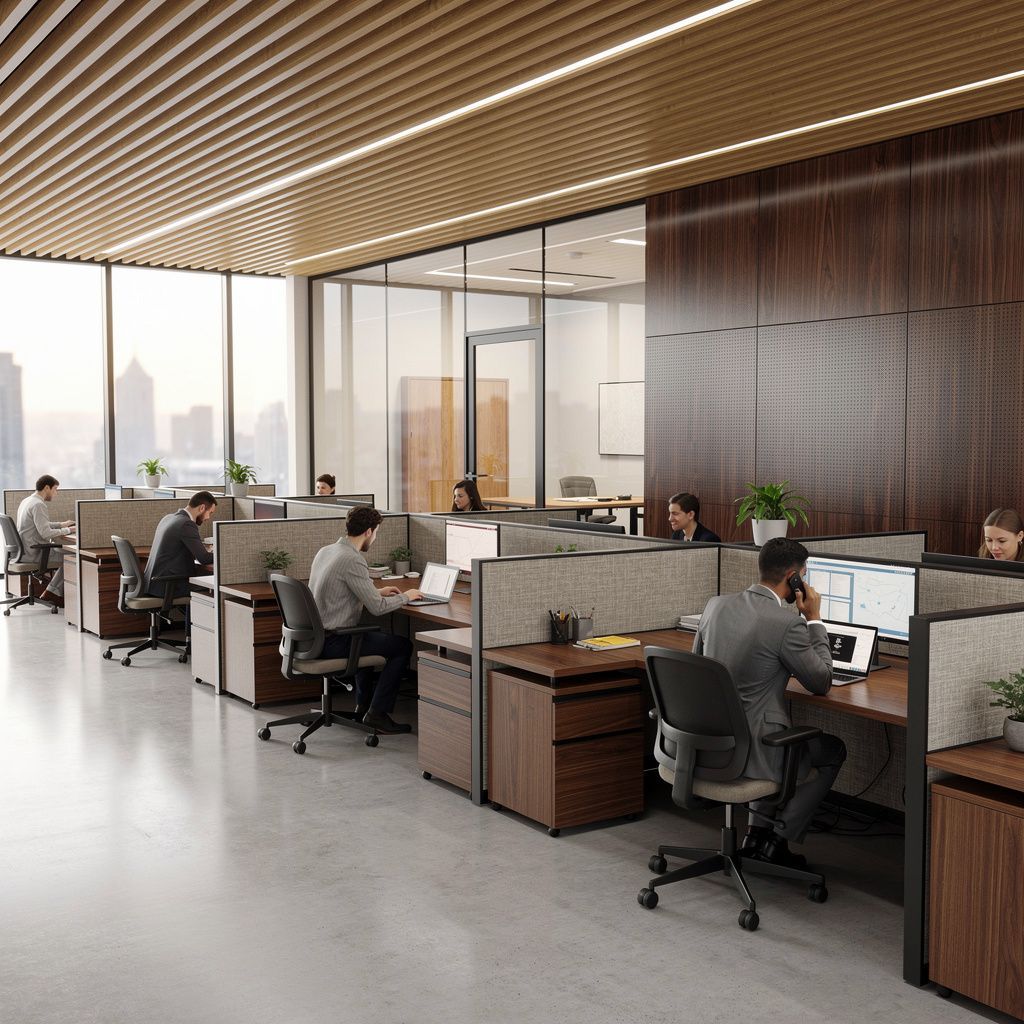
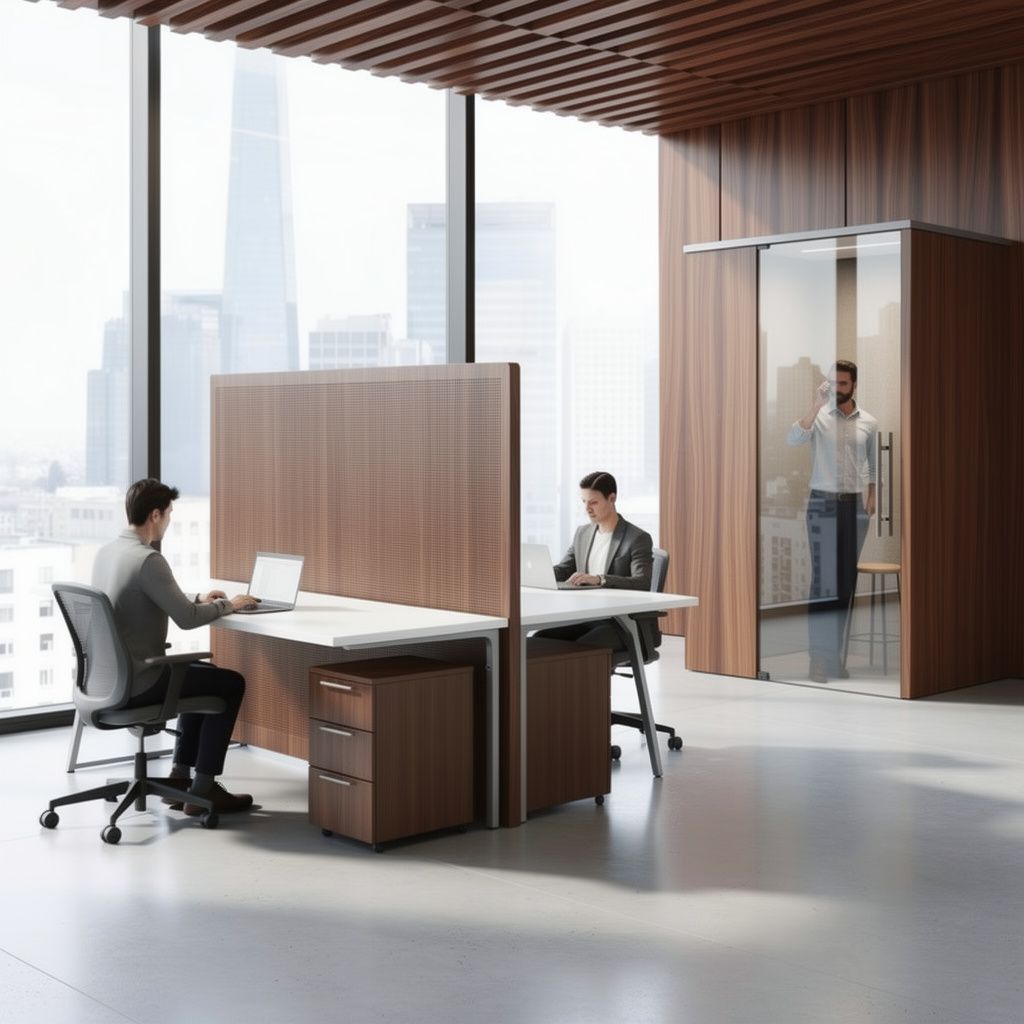
Because of the high demand for sound-absorbing office furniture for open offices, there are plenty of options available. Acoustic pods, high-back seating, sound-damping screens, and sound-absorbing desks are popular options for creating designated zones for quieter work.
- Acoustic Pods or Booths: These enclosed or semi-enclosed structures are ideal for phone calls and virtual calls.
- High-back Seating: Not every seat in an office needs to be an ergonomic chair. Having flexible, collaborative work areas with lounge furniture can create an inviting space for employees to brainstorm and hold meetings. A few upholstered chairs or sofas with high backs can help block sound.
- Desk Screens and Dividers: Freestanding or desktop-mounted screens and acoustic panels can absorb sound waves, while also providing a sense of privacy. Together, this can minimize neighboring conversations.
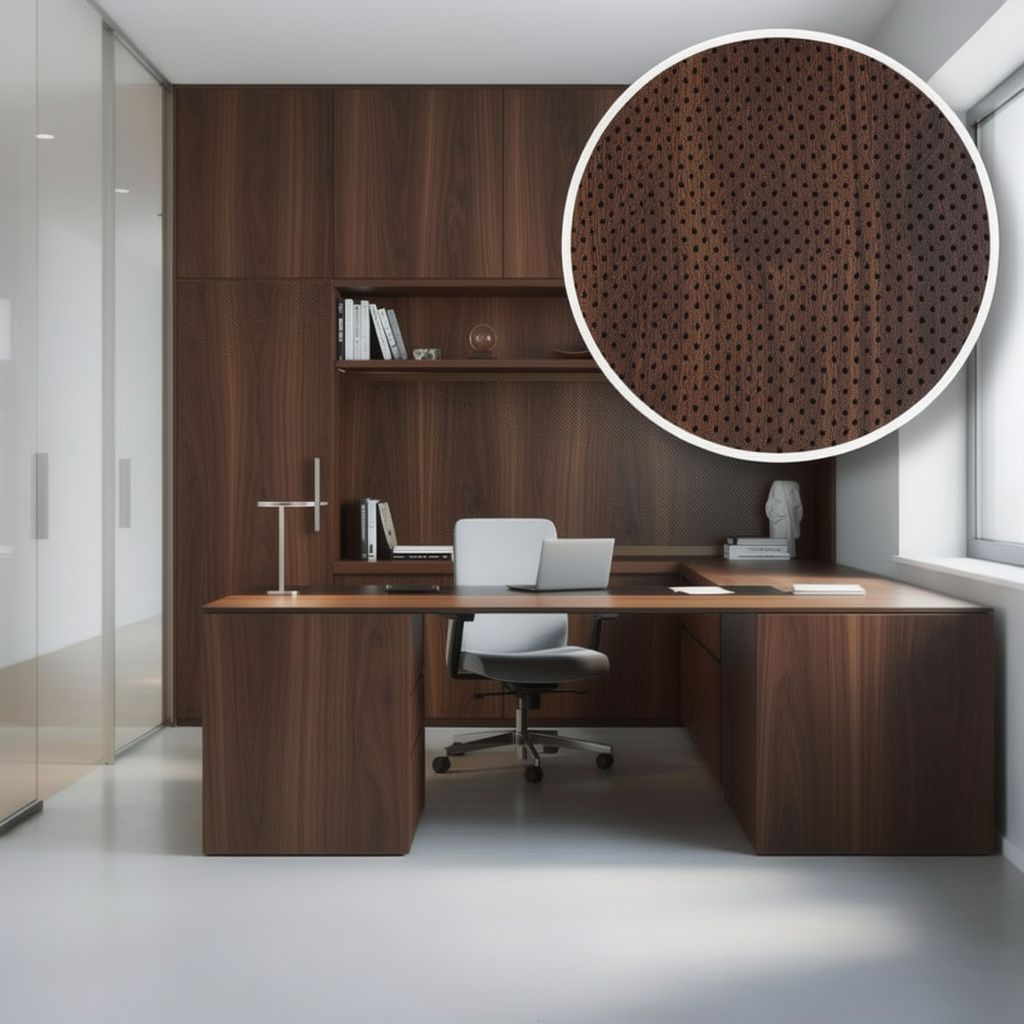
- Sound Absorbing Desks: Even as office needs and employee preferences evolve, desks remain a staple. Employee workstations, unfortunately, can trap noise and create an echo or reverberation effect. The result can be a chaotic work environment that is more stressful to employees and less conducive to productivity. But because sound-absorbing desks absorb sound waves directly at the source, many of these dilemmas are minimized. Chatter from neighboring coworkers diminishes, and desk noise is trapped before it can echo throughout the space.
When comparing sound-absorbing desks vs acoustic panels, it’s important to recognize that both aim to reduce echo and improve sound quality. Sound-absorbing desks provide immediate, functional workspace privacy, while acoustic panels are good for overall acoustic treatment. These pieces work synergistically to improve an office’s overall acoustic environment. When placed strategically, sound-absorbing office furniture can be part of the office’s acoustic puzzle — a crucial component of the office’s larger, holistic acoustic setup.
An Optimized Acoustic Approach with SoniQ™ Technology
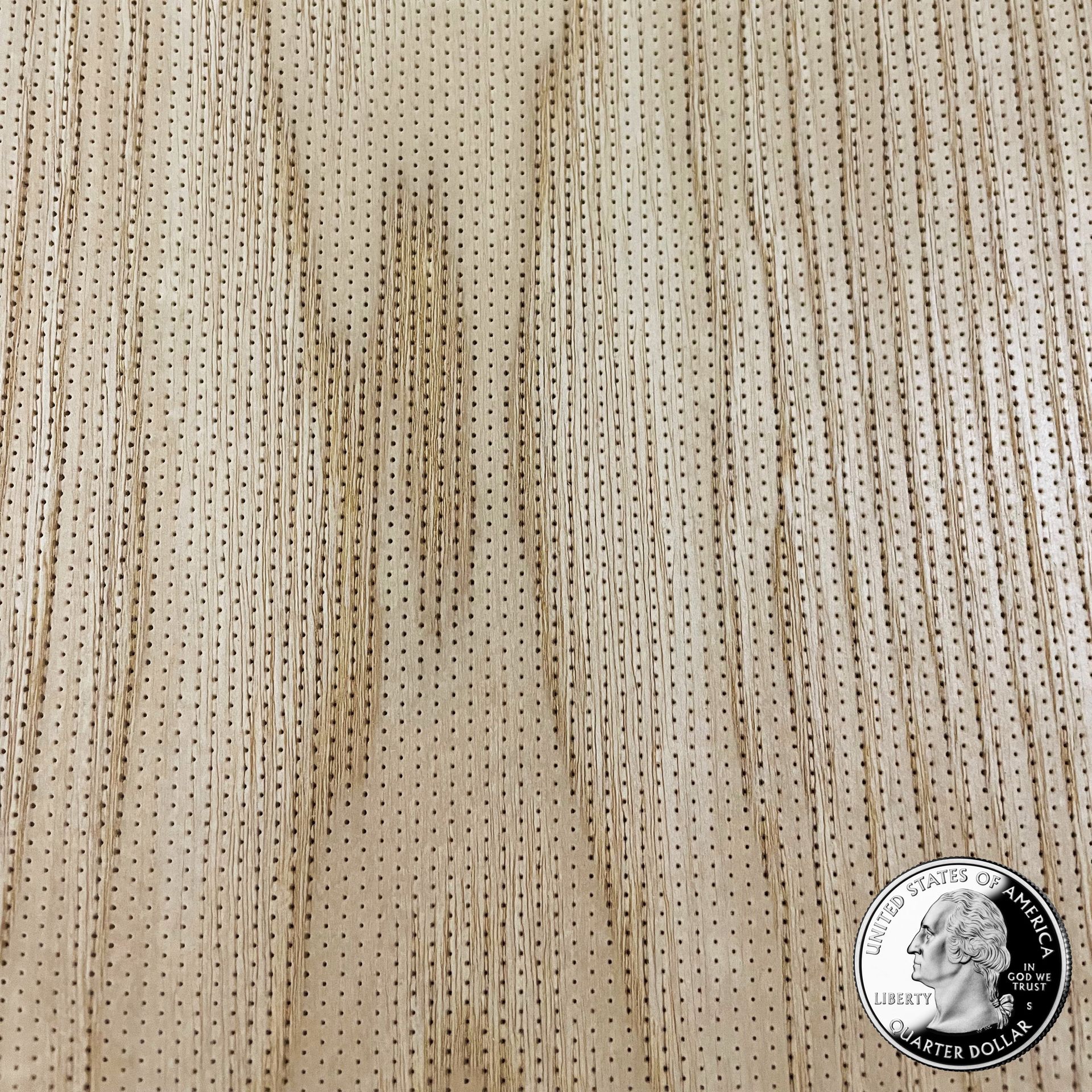
SoniQ™ Technology is one of the latest evolutions in sound-absorbing office furniture, offering engineered noise-control solutions. It transforms the vertical, reflective components of a desk into sound-absorbing surfaces, which optimizes office noise while also retaining an aesthetically pleasing look and feel to the space. When implementing this type of technology into your office, there’s no need to replace existing office’s acoustic systems. Instead, it’s a matter of bringing in the right pieces of furniture and placing them strategically. The result is furniture that works with your office’s acoustics, making it an effective addition to the entire acoustic system.
Look to professional consultants to provide the right recommendation for your office.
Contact us to learn more about how we can transform your office with sound-absorbing furniture.
Recent Posts