What Causes Reverberation in Office Spaces

July 20, 2026

Share this article

Ever wonder why some offices feel so loud even when no one is shouting? It usually comes down to something called reverberation. While designers love the look of open floor plans and glass walls, they often overlook how sound actually moves in those spaces. If you want a workspace where people can actually focus, you have to understand why echoes happen and how to stop them.

What is Reverberation?

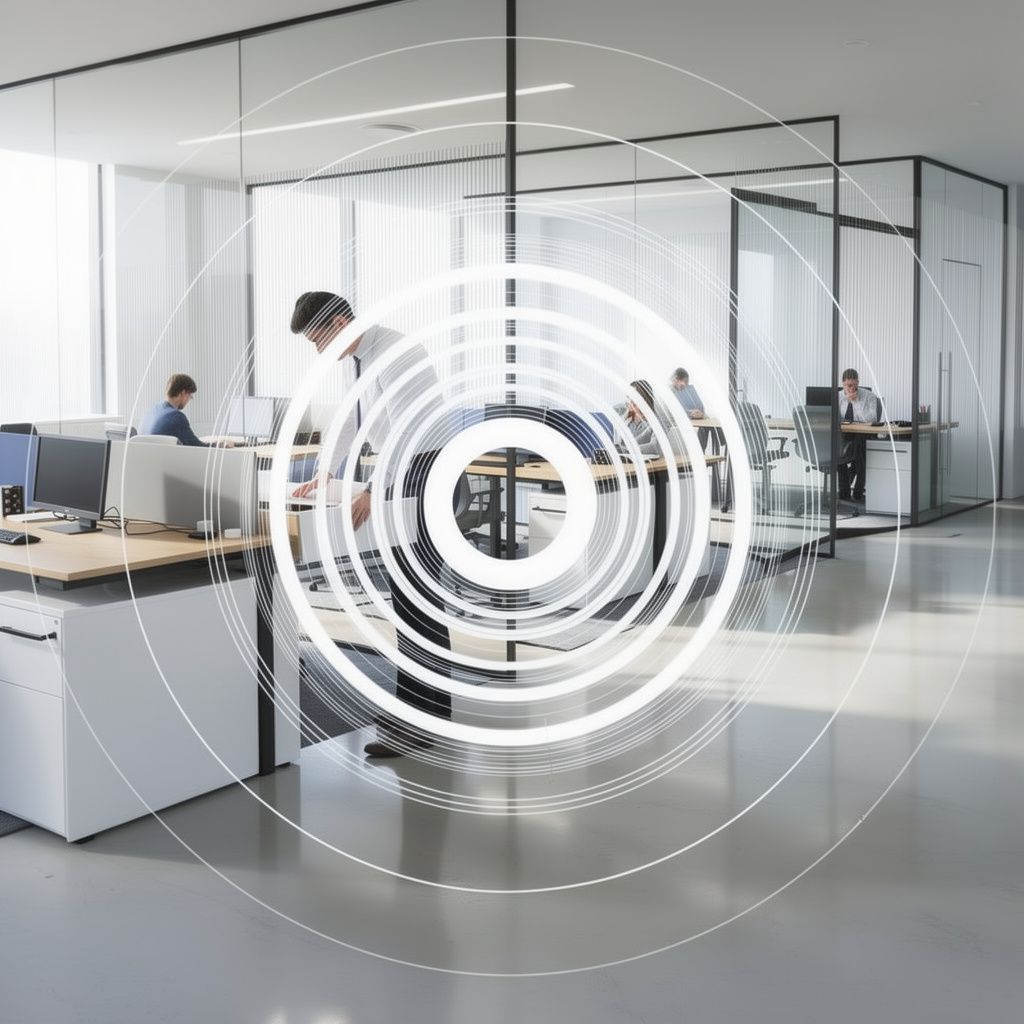
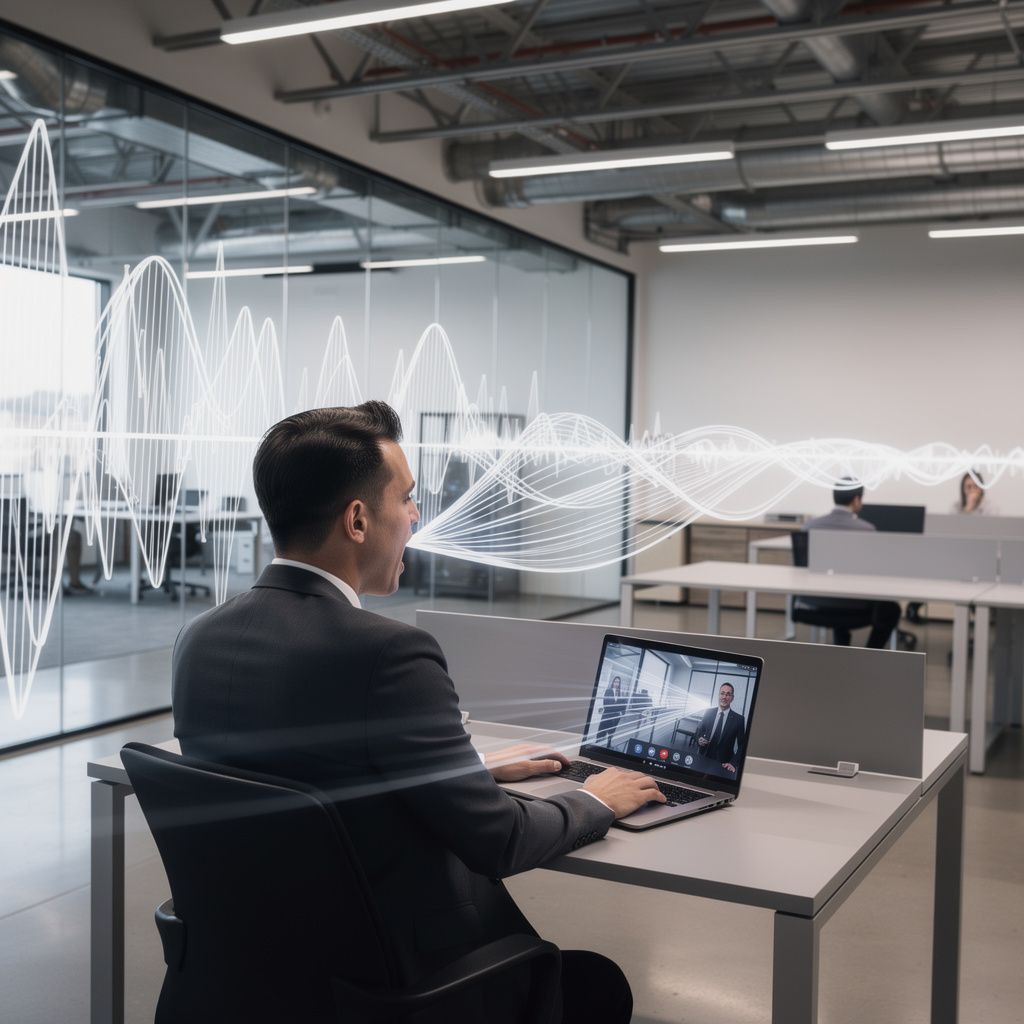
In simple terms, reverberation is just how long an echo lasts in a room. Every time you speak or click a pen, you create sound waves. Those waves travel through the air, hit hard surfaces like your desk or the walls, and bounce back.

Reverberation occurs when the sound waves keep bouncing around instead of fading quickly. In a bad office, that sound lingers, creating a constant layer of background noise that makes it hard to hear anything clearly.

Why Echoes Kill Productivity

High reverberation isn't just annoying; it’s actually stressful. When sound sticks around too long, it’s harder to understand what people are saying. You’ve probably been in a meeting where you had to raise your voice just to be heard over the distracting echoes in the room.

This constant noise floor can actually spike cortisol levels, which is the body's stress hormone. When employees can’t finish their to-do lists because the room is too "busy" sounding, they get frustrated. This is why finding the right office acoustic solutions is so important for well-being.

The Main Culprits

Most offices have a few major features that make echoes worse:


  • Non-porous Surfaces: Modern offices are full of concrete, glass, and metal. These materials look sleek, but they don't absorb any sound energy. Instead, they act like mirrors for sound waves, reflecting them off every wall and floor.
  • Minimalistic Designs: Large, open spaces allow sound waves to travel much farther without being blocked.
  • High Ceilings: Tall ceilings can make a room feel big and inviting, but without treatment, they turn the office into a giant echo chamber.
  • Parallel Surfaces: When two hard walls face each other, sound waves become trapped and rapidly bounce back and forth, creating a "flutter" effect that sounds like a metallic ringing.

The SoniQ™ Technology Difference

Traditional acoustic solutions usually mean sticking foam panels on the walls or hanging baffles from the ceiling. While these work, they can clutter up the design you worked so hard on.

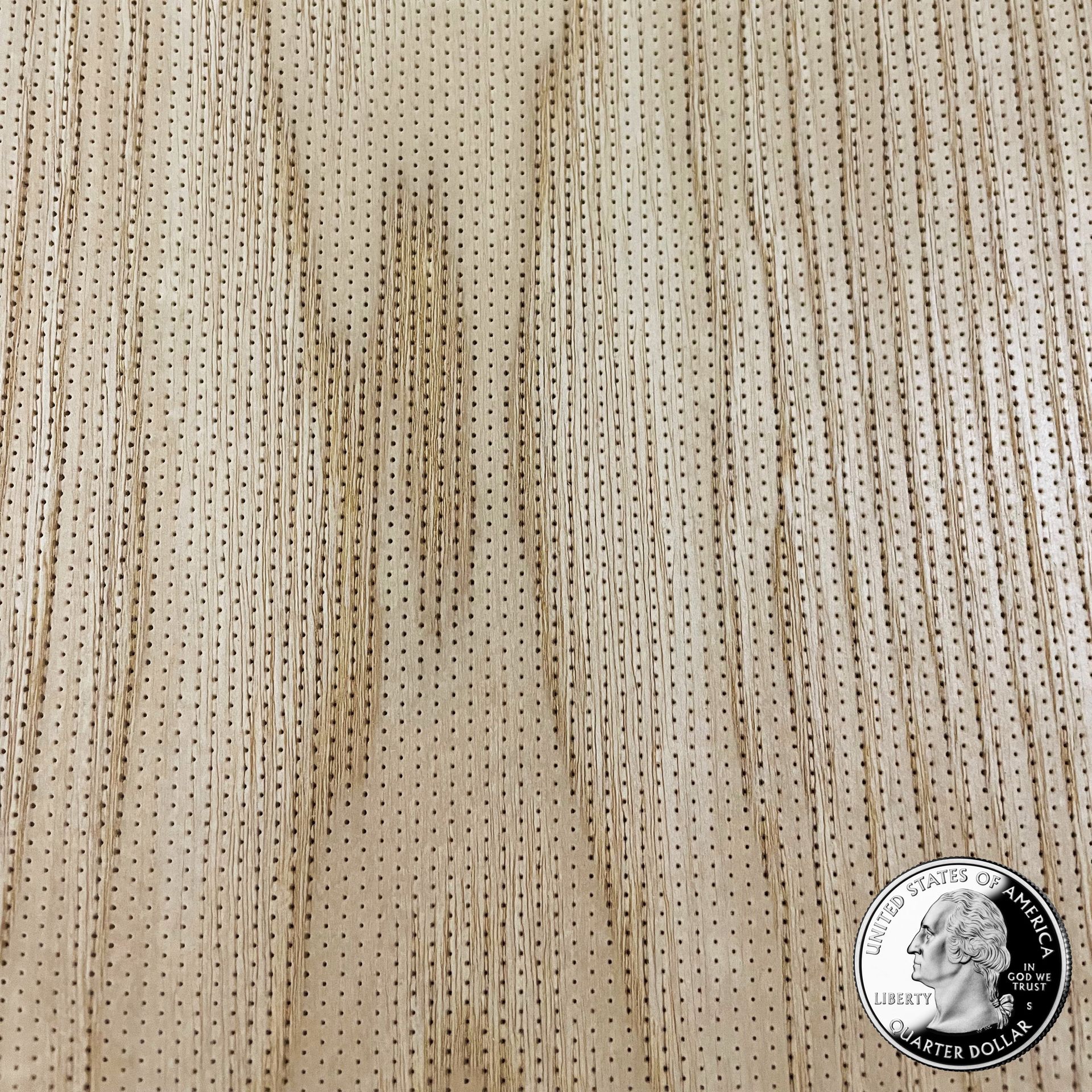
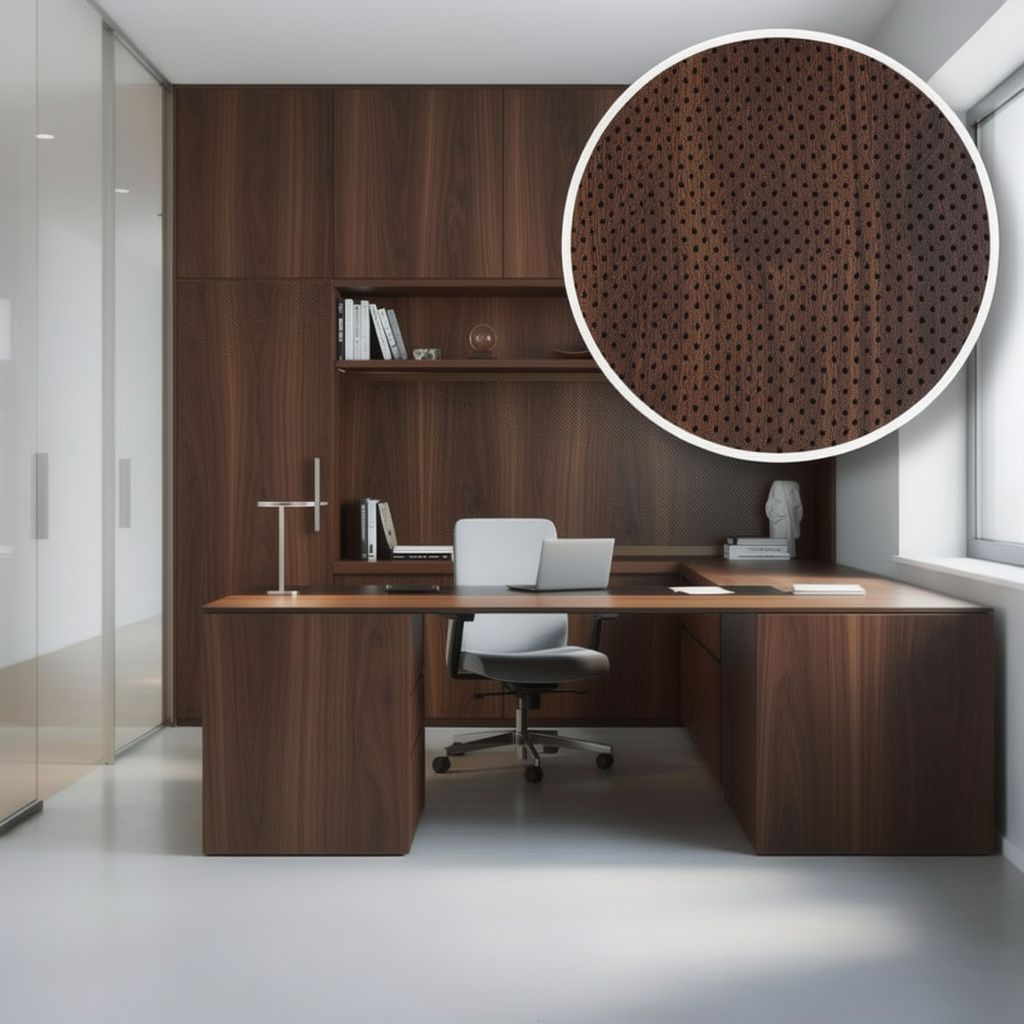
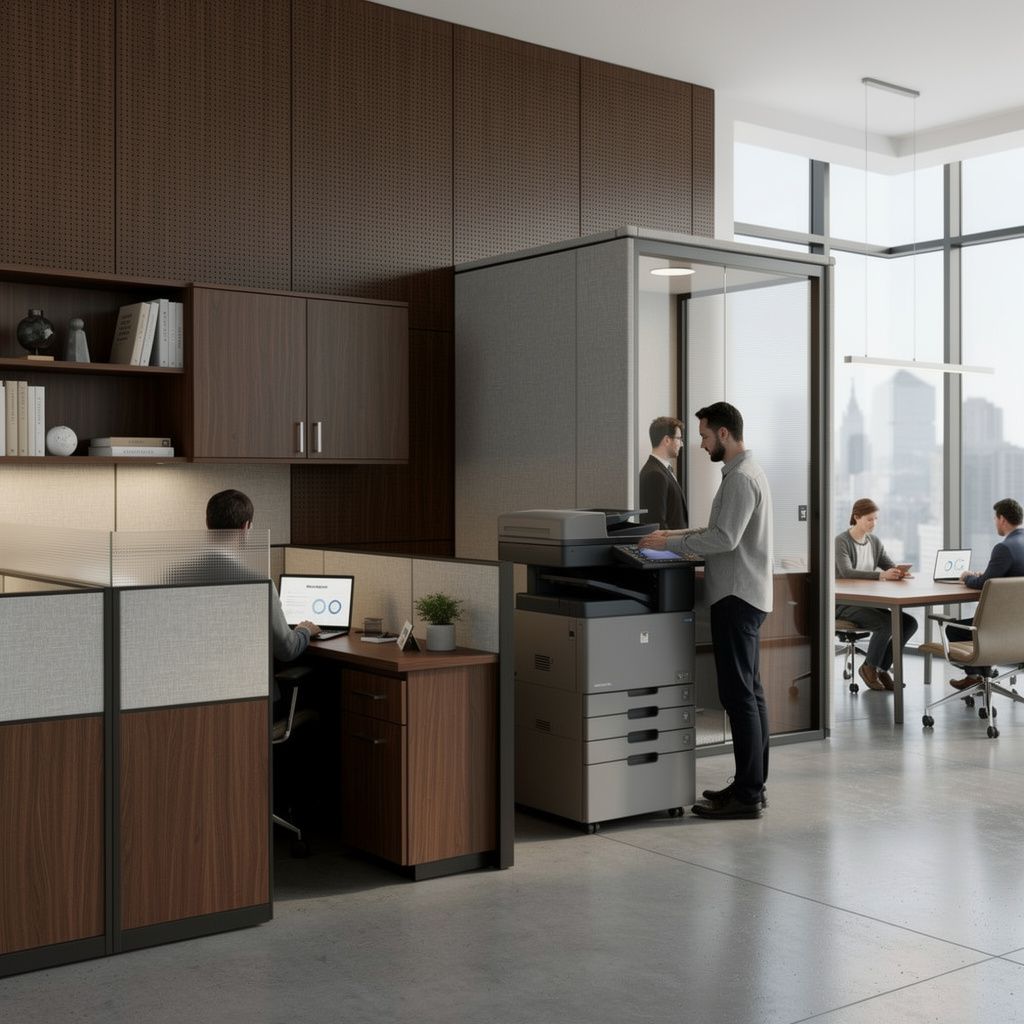
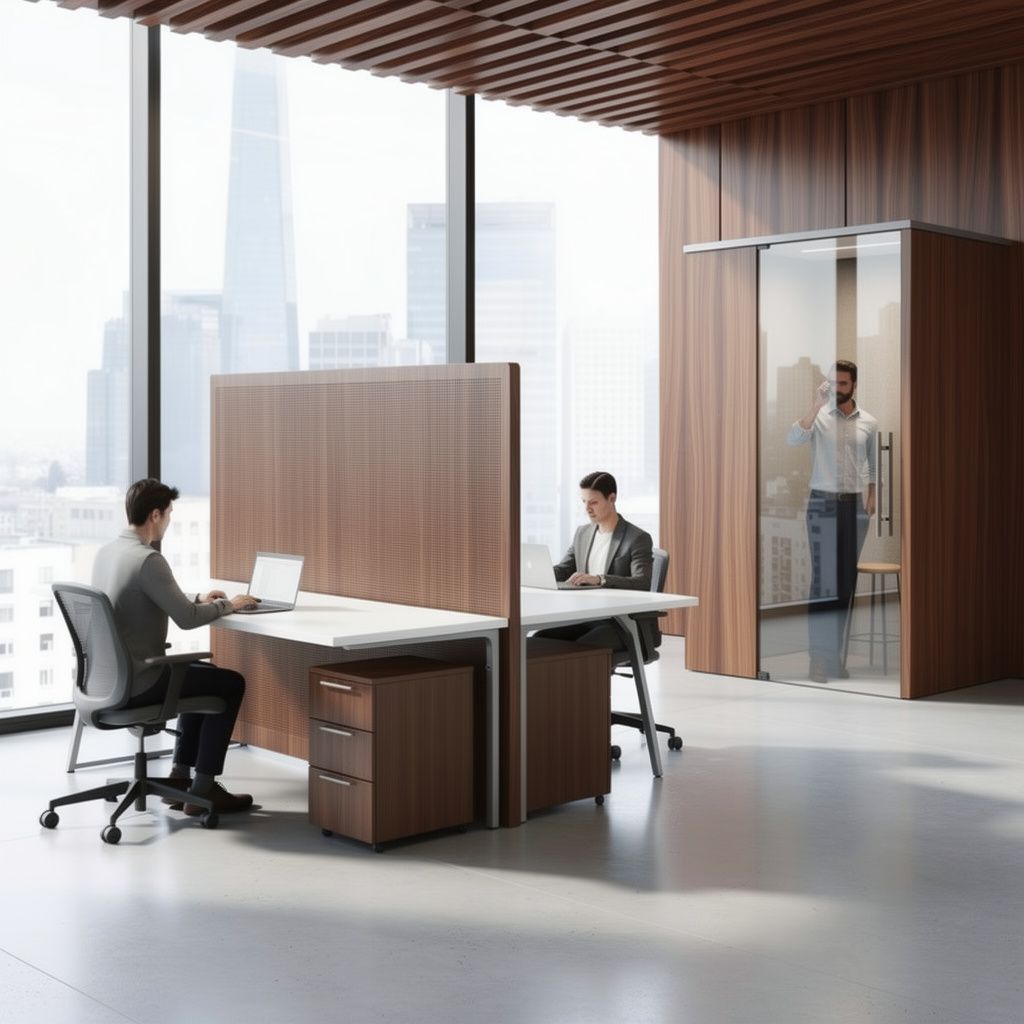
That is where SoniQ™ Technology changes things. Instead of adding extra "stuff" to your walls, we turn your sound-absorbing furniture into the solution. By using laser-processed wood surfaces, your desks and cabinets serve as high-efficiency acoustic solutions that absorb those bouncing sound waves right where they start.

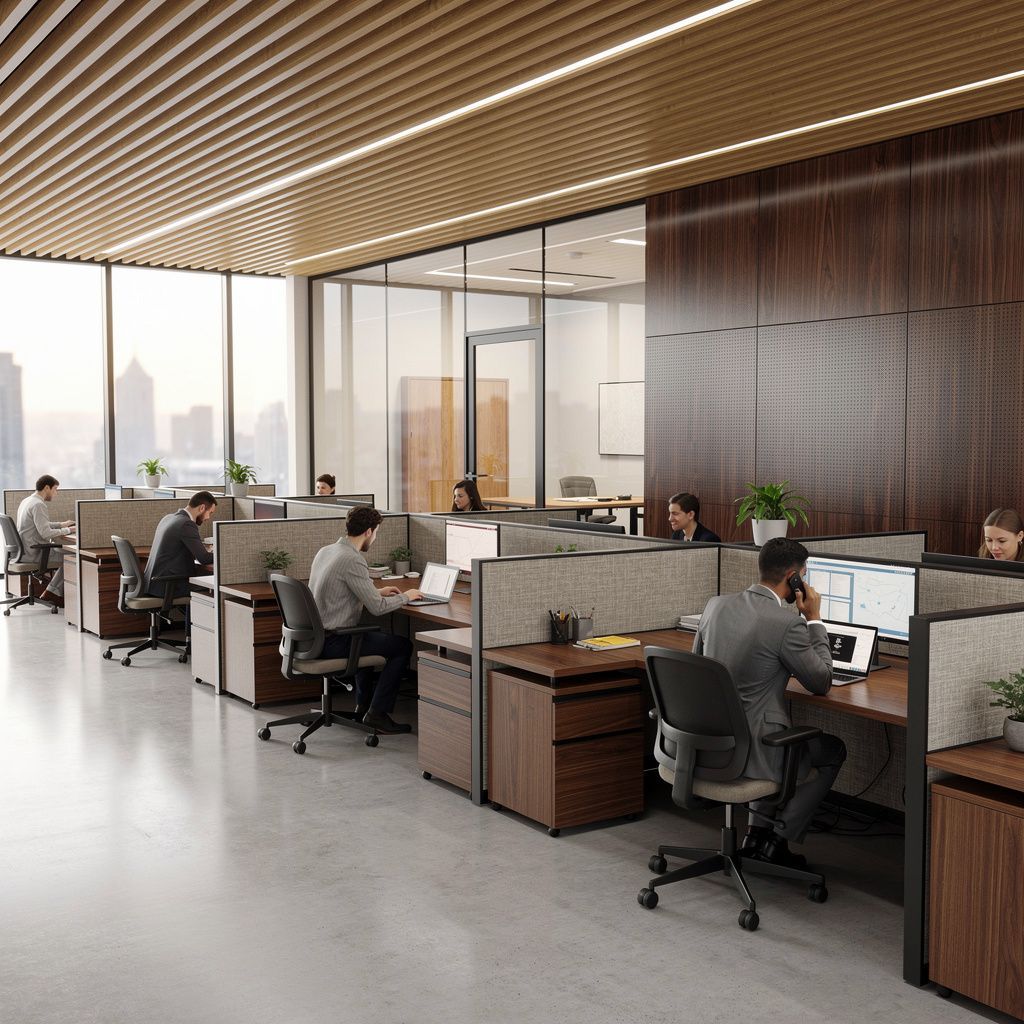
By choosing smarter office acoustic solutions, you can break up those parallel reflections and lower the noise floor without installing massive wall treatments. It's about creating a holistic environment where the furniture does the heavy lifting.

Stay tuned for our upcoming guide on building a silent office to see how SoniQ™ Technology can transform your specific layout.

Recent Posts

SoniQ logo in dark blue and gray with stylized Q underlined by a gray swoosh
July 20, 2026
Understand the difference between sound absorption and soundproofing and how to apply both in workplace acoustic design.
SoniQ logo in blue and gray text with a stylized Q and trademark symbol
July 20, 2026
Learn why open floor plan offices struggle with acoustics and how to reduce noise with smarter design solutions.
SoniQ logo in blue and gray with a stylized Q on a white background
July 20, 2026
Explore how office noise impacts productivity and how acoustic solutions improve focus and performance.
SoniQ logo in blue and gray with a stylized Q and TM mark
July 20, 2026
Discover why acoustic ceilings alone don’t fix office noise and what solutions actually work.
SoniQ logo in blue and gray with a stylized Q.
July 1, 2026
Learn how acoustic wood furniture reduces noise, improves focus, and enhances workplace productivity through integrated sound absorption.
Learn what reverberation time is, why it affects speech clarity and comfort, and how proper acoustic
June 4, 2026
Learn what reverberation time (RT60) is, how it affects speech clarity and comfort, and how acoustic systems control echo and sound decay in modern spaces.
Acoustic wall and ceiling treatments designed to improve sound quality and reduce noise.
June 4, 2026
If the acoustics of your space aren’t up to par, you may be researching different acoustic products to add. However, “spot treating” isn’t going to cut it. You need to think about the space holistically and solve the root problem. That’s where acoustic systems come into play.
Furniture, walls, and ceiling treatments working together to improve sound control and acoustic comf
April 28, 2026
Discover how furniture, walls, and ceilings affect sound control and how acoustic treatments improve clarity, reduce echo, and manage noise.