Sound Absorption vs. Soundproofing in Workplace Design

July 20, 2026

Share this article

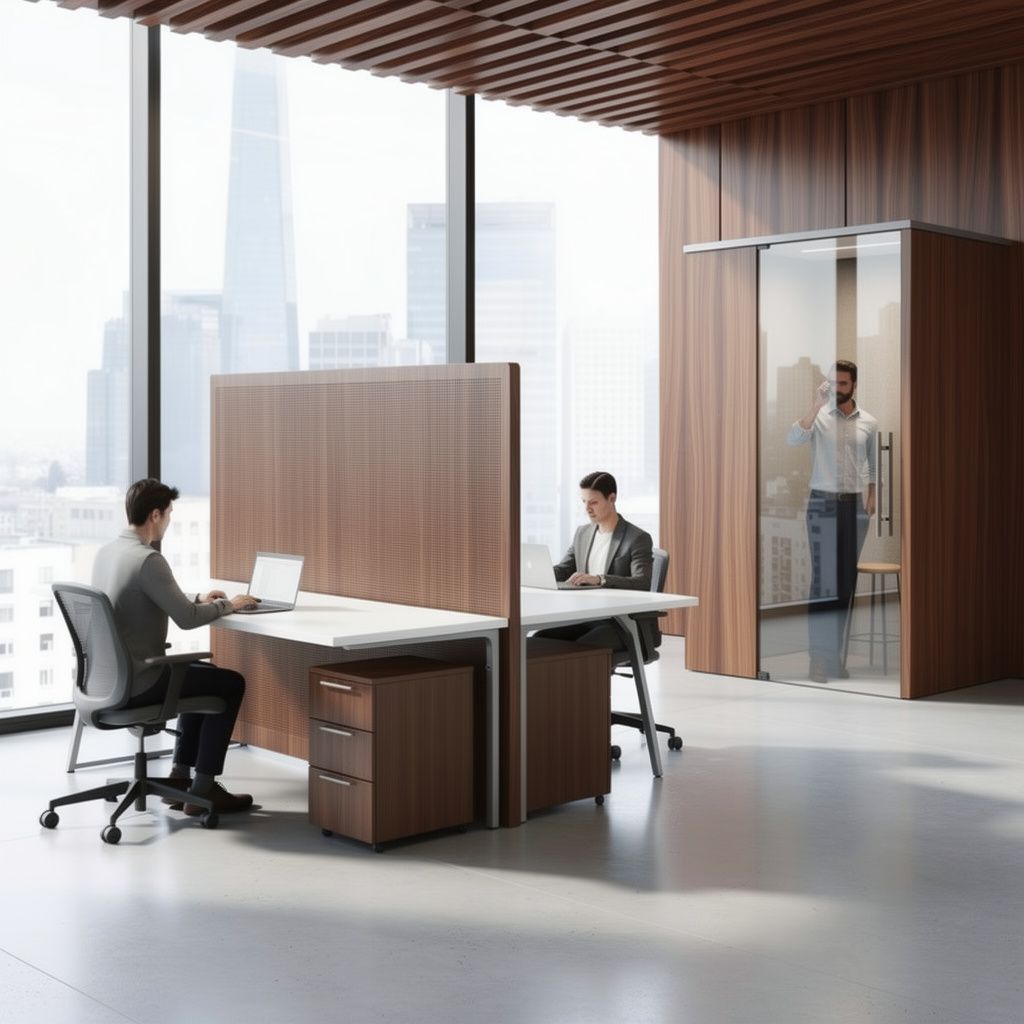
The sound of a workplace environment varies based on its size, layout, construction, and surface materials. Open-floor-plan offices are a modern approach that fosters both collaboration and engagement. With this, team members are encouraged to chat with one another in the lobby area and gather at large tables to chat through projects. While this can be beneficial in offering flexibility and encouraging spontaneous communication, it can be more challenging from an acoustics perspective. 


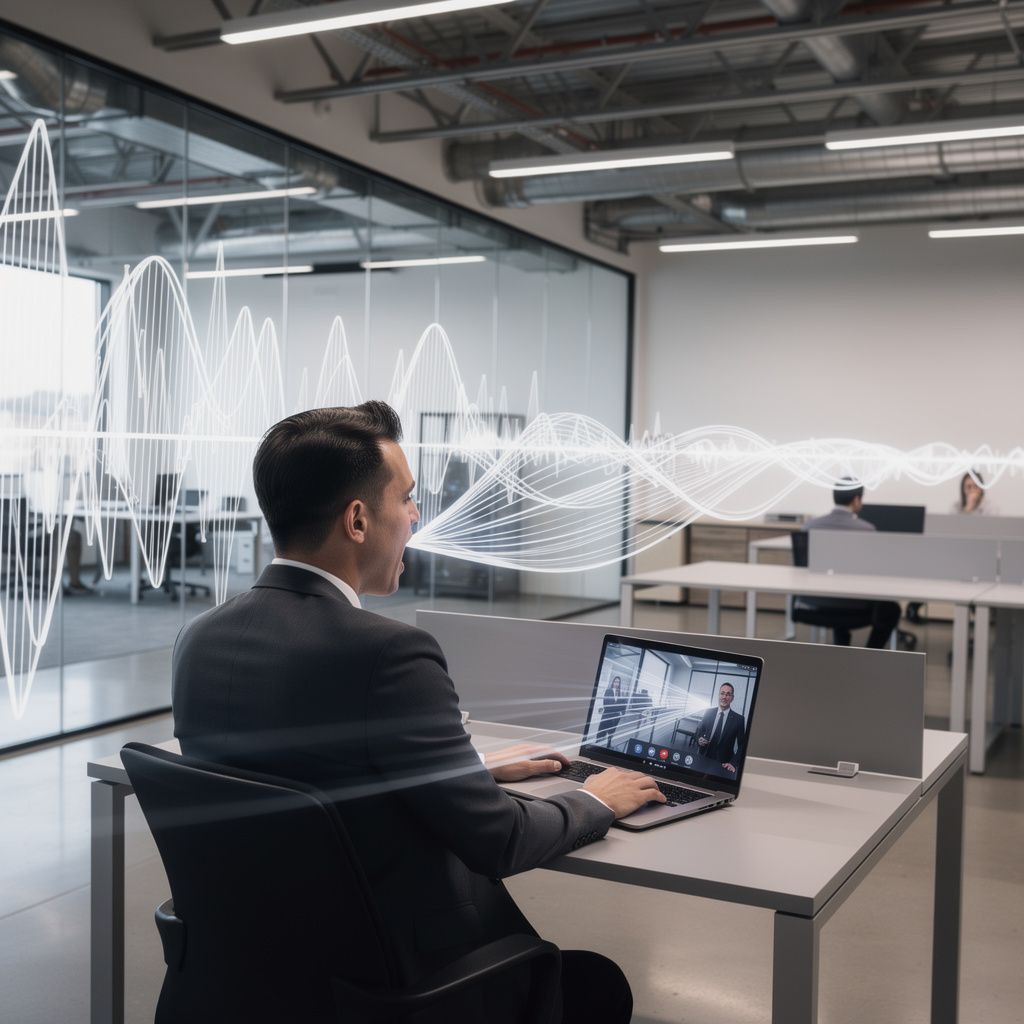
In contrast, offices with cubicles or more divided spaces may lack spontaneity, but they provide more personalized workspaces. This enhanced sense of privacy can help eliminate distractions, but it can also pose acoustic challenges. Instead of noise amplification and reverberation in an open floor plan, sectioned-off areas can cause more uncontrollable ambient noise, sometimes referred to as the “cocktail party effect.” With increased background noise, employees may raise their voices just to be heard, leading to higher speech volumes. 


Although the physical space of an office can’t always be fixed, there are ways to reduce office noise pollution. Sound absorption and soundproofing are two approaches that can benefit nearly every workplace environment.

What is Sound Absorption?

Sound absorption is the process by which materials capture sound energy. Instead of reflecting sound waves, materials will convert the energy into heat. This, in turn, reduces echo, reverberation, and ambient noise within an enclosed area. 


Some materials are better sound absorbers than others. Fiberglass, mineral wool, and acoustic foam are softer, more porous, and generally effective sound absorbers. Wood, concrete, and glass are harder, more rigid surfaces and therefore reflect sound more easily. Choosing the right sound-absorbing materials and making appropriate sound-absorbing furniture selections can play a significant role in the design of an office environment.

The Role of Sound Absorption in Office Design

Sound absorption is a critical component of any workplace. Without it, employees may become easily agitated by surrounding noise, creating an unproductive, disgruntled environment. It can also cause mental fatigue, especially during meetings when it’s hard to hear someone else sitting right across from you because the echo is so bad. This can lead to reduced concentration and increased stress. Because sound absorption is so important for overall well-being, office managers and designers need to take appropriate steps in an office’s design. 


This can start with integrating sound-absorbing materials into different parts of the space. For instance, acoustic panels and treatments can be mounted on walls to reduce echo and improve speech intelligibility in boardrooms and conference rooms. Ceiling treatments — such as suspended acoustic ceiling baffles or acoustic felt rafts — can help absorb sound waves in spaces with higher ceilings. This can be an effective office acoustic solution for companies with open floor plans or venues with vast lobbies. 


Another component of sound absorption is furniture. Selecting soft furnishings, such as upholstered accent chairs, area rugs, couches, and curtains, can help soak up sound waves. This will reduce echo in rooms, especially those with hardwood, tile, or concrete floors. Incorporating cozy, plush chairs within the office can also be a warm, inviting touch. 

What is Soundproofing?

While sound absorption treats sound within a room, soundproofing prevents sound from passing through walls into other rooms. Soundproofing is the process of reducing or preventing the transmission of sound between spaces. It blocks noise from entering or leaving an enclosed area. 


For example, if you’ve ever sat in a conference room and heard the conversation from the room next to you, then the room was likely not soundproof. This can be a major concern for businesses handling financial information, health data, or other private information, and can sometimes lead to legal liabilities, regulatory violations, and confidentiality breaches. So when conversations leak between rooms, it’s typically a sign that the space lacks proper soundproofing.

The Role of Soundproofing in Office Design

Similar to sound absorption, soundproofing can enhance overall productivity and reduce stress. When employees can concentrate on their individual work, they can leave the office feeling accomplished rather than as if they still have a pile of work to get through the next day. On top of this, soundproofing can help build trust between companies and clients by providing privacy and a level of professionalism. 


The goal of soundproofing is to create a tighter seal within the enclosed space while adding heavy materials to the walls to make it harder for noise to pass through. Sealing door gaps with weatherstripping and replacing hollow-core doors with solid-wood ones are good places to start. To take it a step further, large mass elements, such as dense vinyl or extra drywall, may also be needed to block sound waves entirely.

Saving Money by Being Smart

A noisy office is not just annoying; it costs you money because people can get stressed out, lose focus, and make mistakes. But fixing the sound the old-fashioned way can be expensive. Look at the typical costs for a small office:

  • Regular furniture and a basic acoustic ceiling usually fail to fix the noise.
  • Adding fabric panels to the walls might cost you an extra $3,000.
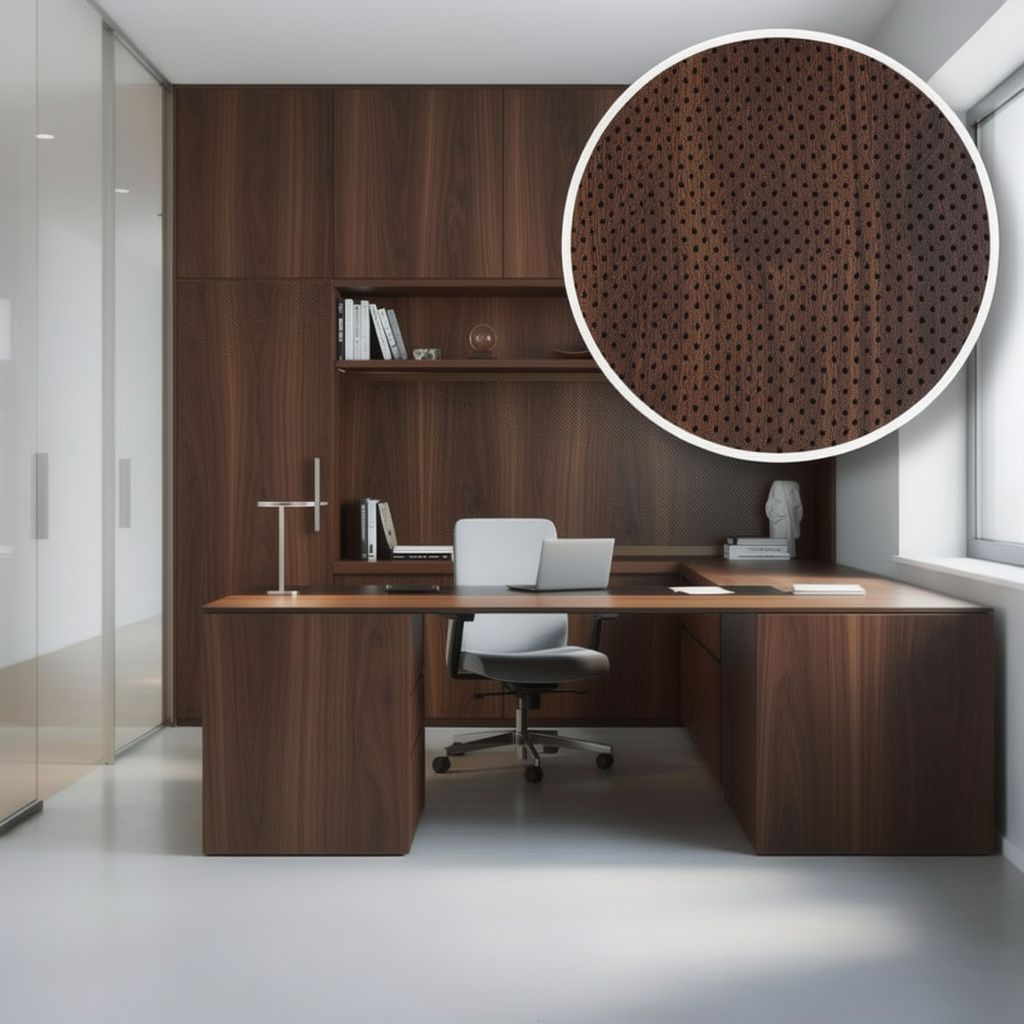
  • Fancy wood panels on the walls can cost as much as $12,000.
  • Converting that same furniture into SoniQ furniture usually costs only about $1,200

By putting the tech inside the furniture you are already buying, you don't have to waste money on wall panels or heavy construction. You get a better-sounding office for a fraction of the price.

Sound-Absorbing and Soundproofing Tips for Offices 

Effective office sound absorption and soundproofing involve dampening noise and blocking it out altogether. Depending on the office’s layout and employee needs, this can look like adding sound-absorbing panels to walls where collaboration is expected, sealing doors and adding mass to more private boardrooms. 


SoniQ™ Technology
provides engineered solutions for noise control. Specializing in sound diffusers and absorbers, RPG Acoustics can help design and construct an acoustically sound, aesthetically beautiful office. 

Recent Posts

SoniQ logo in blue and gray text with a stylized Q
July 20, 2026
Learn what causes reverberation in offices and how to reduce echo with effective acoustic solutions.
SoniQ logo in blue and gray text with a stylized Q and trademark symbol
July 20, 2026
Learn why open floor plan offices struggle with acoustics and how to reduce noise with smarter design solutions.
SoniQ logo in blue and gray with a stylized Q on a white background
July 20, 2026
Explore how office noise impacts productivity and how acoustic solutions improve focus and performance.
SoniQ logo in blue and gray with a stylized Q and TM mark
July 20, 2026
Discover why acoustic ceilings alone don’t fix office noise and what solutions actually work.
SoniQ logo in blue and gray with a stylized Q.
July 1, 2026
Learn how acoustic wood furniture reduces noise, improves focus, and enhances workplace productivity through integrated sound absorption.
Learn what reverberation time is, why it affects speech clarity and comfort, and how proper acoustic
June 4, 2026
Learn what reverberation time (RT60) is, how it affects speech clarity and comfort, and how acoustic systems control echo and sound decay in modern spaces.
Acoustic wall and ceiling treatments designed to improve sound quality and reduce noise.
June 4, 2026
If the acoustics of your space aren’t up to par, you may be researching different acoustic products to add. However, “spot treating” isn’t going to cut it. You need to think about the space holistically and solve the root problem. That’s where acoustic systems come into play.
Furniture, walls, and ceiling treatments working together to improve sound control and acoustic comf
April 28, 2026
Discover how furniture, walls, and ceilings affect sound control and how acoustic treatments improve clarity, reduce echo, and manage noise.