How Acoustic Furniture Helps Reduce Sonic Clutter in Offices
Are your employees constantly looking for a quieter space to work? Do you find it difficult to think, let alone process thoughts, when in the office because of disruptive background noise? If so, your office may have fallen victim to an endemic issue called sonic clutter.
What is Sonic Clutter?
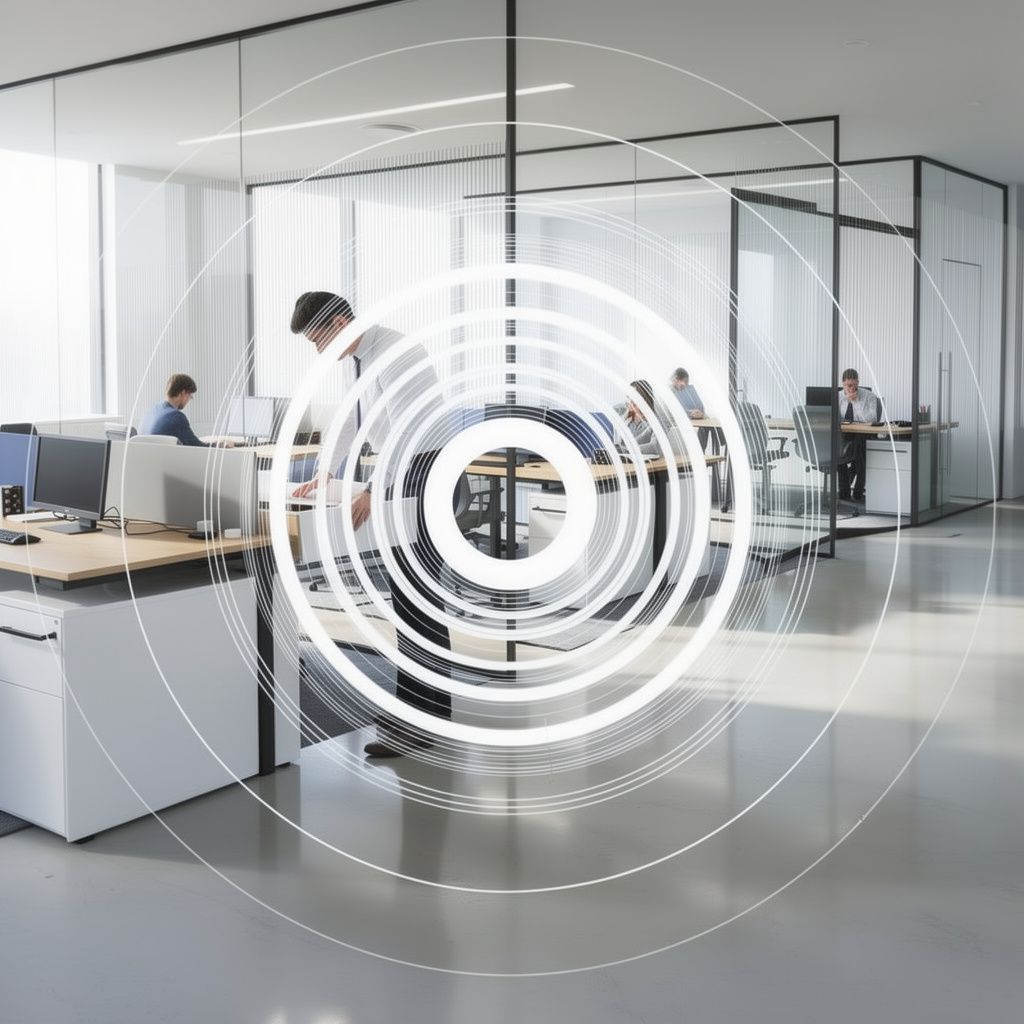
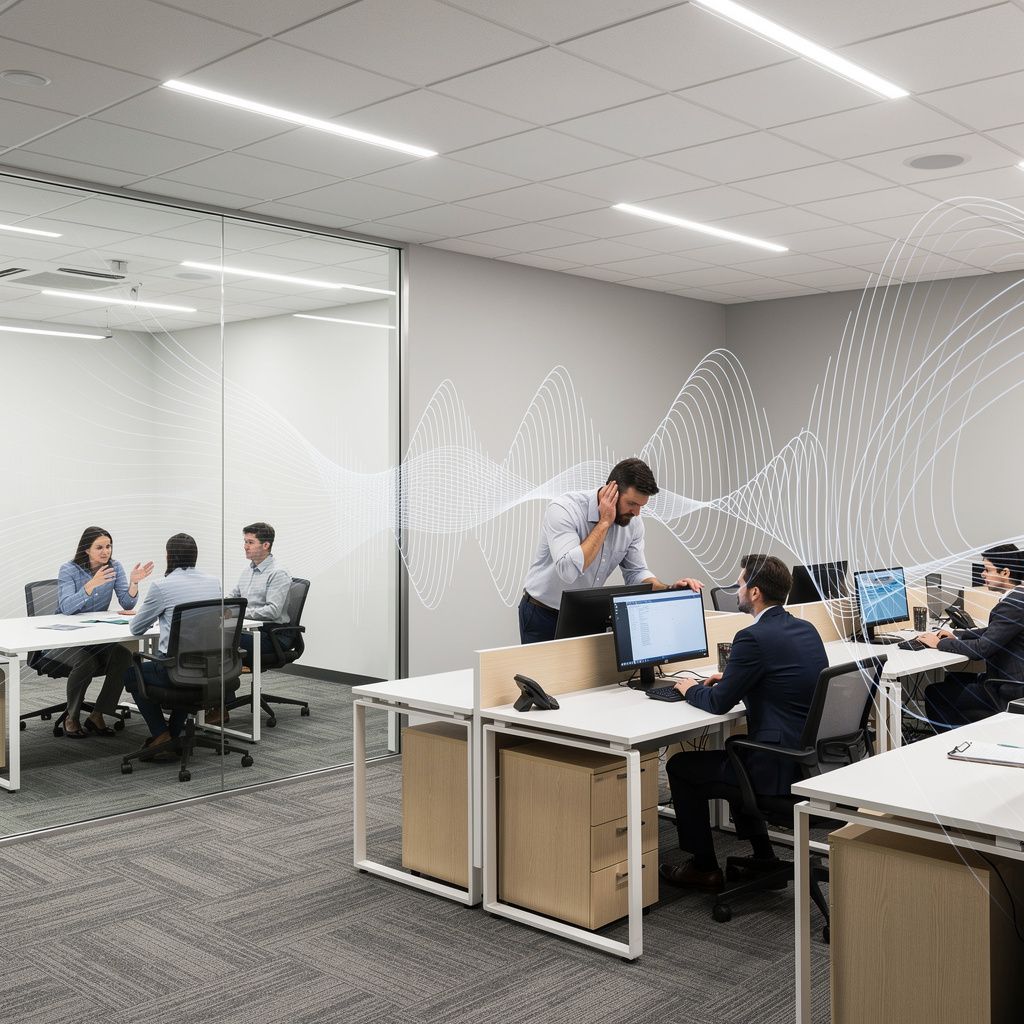
Put simply, sonic clutter is the acoustic “mess” created when sound waves bounce off hard, reflective surfaces. These surfaces, such as wood, glass, steel, and concrete, can be anywhere within the space — from the flooring to the ceiling to the walls and furnishings (unless you have an office outfitted with acoustical furniture, but we’ll get to that in a second!).
When sonic clutter occurs, there is competition among all the sound waves. This creates a dense noise that is difficult to segregate and identify. It may sound muddled, chaotic, and disturbing. Having a high density of sound events can amplify across the space and be very distracting, especially in a
modern office setting.
Why Sonic Clutter is So Problematic
Sonic clutter shouldn’t be confused with an “office buzz.” Hearing coworkers chatting and collaborating is all positive, and a low level of ambient sound is expected in any workplace. After all, a silent space where you can hear even a pin drop may be a sign that office employees are either too stressed or unhappy.
While an office buzz can be controlled and predictable, sonic clutter cannot. Intrusive, high-variability noises tend to compete in our brains, making it difficult to fully comprehend what the coworker standing next to us is saying. Multiple speech reflections can reduce speech clarity by masking and distorting the acoustic cues necessary to decipher words.
Lingering sound waves from other conversations and office noise can create overlap masking, in which one sound bleeds into the next. This makes it difficult for the speaker, who may feel the need to raise their voice even more just to be heard, and for the listener, who has to focus carefully on what the speaker is trying to communicate.
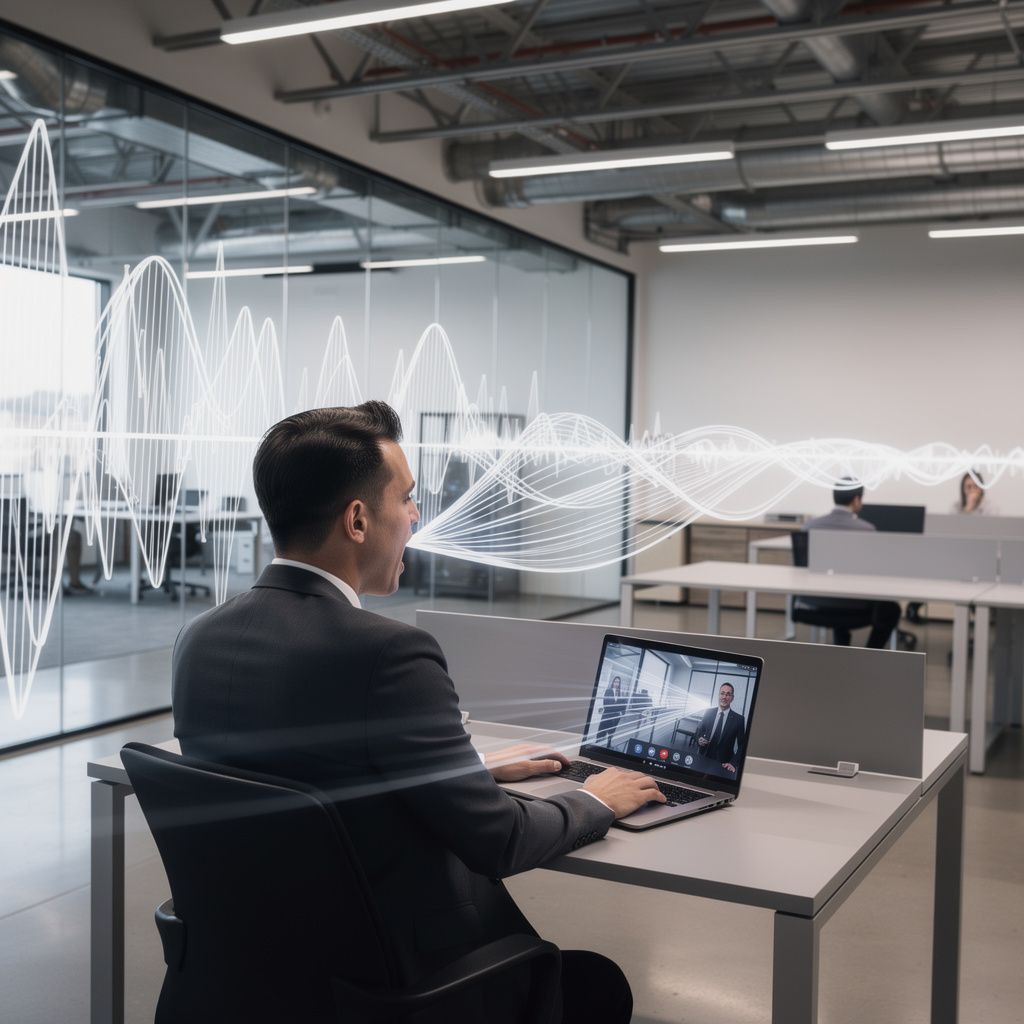
This is problematic in both an in-person office and a hybrid environment. Whether you’re taking calls with a remote employee or a client from across the country, video conferencing can be just as problematic. Video conferencing microphones have a hard time separating human voices from background noises. Therefore, the person on the other end of the call may miss words entirely or keep asking someone to repeat themselves. This can be frustrating for all parties, leading to disgruntled employees and possibly annoyed clients.
How to Solve for Sonic Clutter in an Office
If your office is dealing with sonic clutter, don’t despair. There are practical strategies to help reduce unwanted noise and manage sonic clutter in a workspace.
Yes, acoustical wall panels and
ceiling treatments are available, but note that they can be costly. Adding fabric panels to walls could cost you around $3,000. Fancy, aesthetically pleasing wood panels are another option, but they will run you around $12,000 depending on the wall coverage that’s needed. Buying wall dividers and partitions may seem like a solid choice, but remember that adding more hard, flat surfaces will only exacerbate the problem.
One of the best solutions to solve for sonic clutter in an office is to add distributed sound-absorbing furniture. This type of furniture is designed to diffuse sound waves in multiple directions, distributing the sound across different areas of the room rather than reflecting it. Soft furnishings, such as upholstered accent chairs and couches, area rugs, and plush curtains, are great for soaking up excess sound waves. Incorporating these types of furnishings can also make the office feel more welcoming.
Another furniture solution is
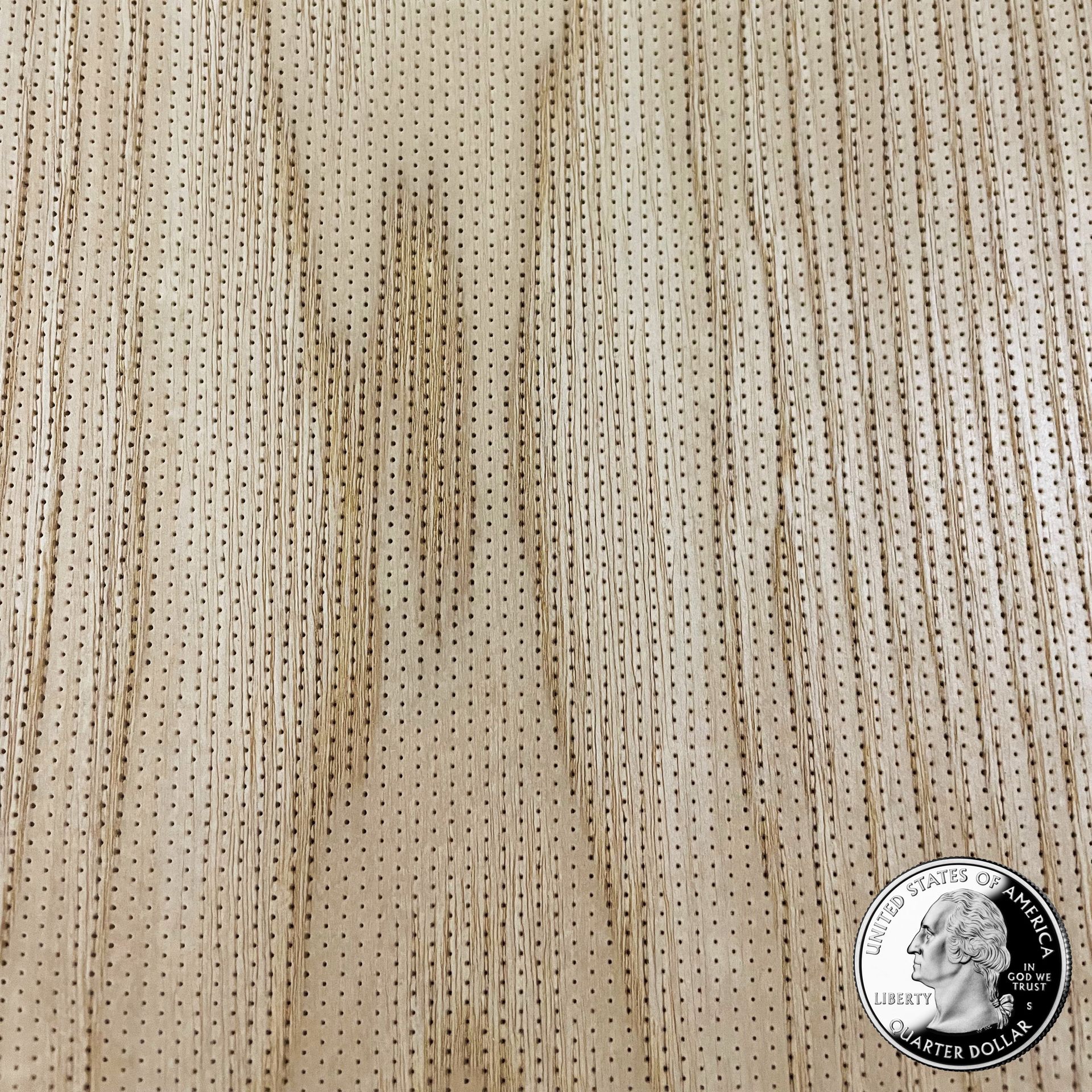
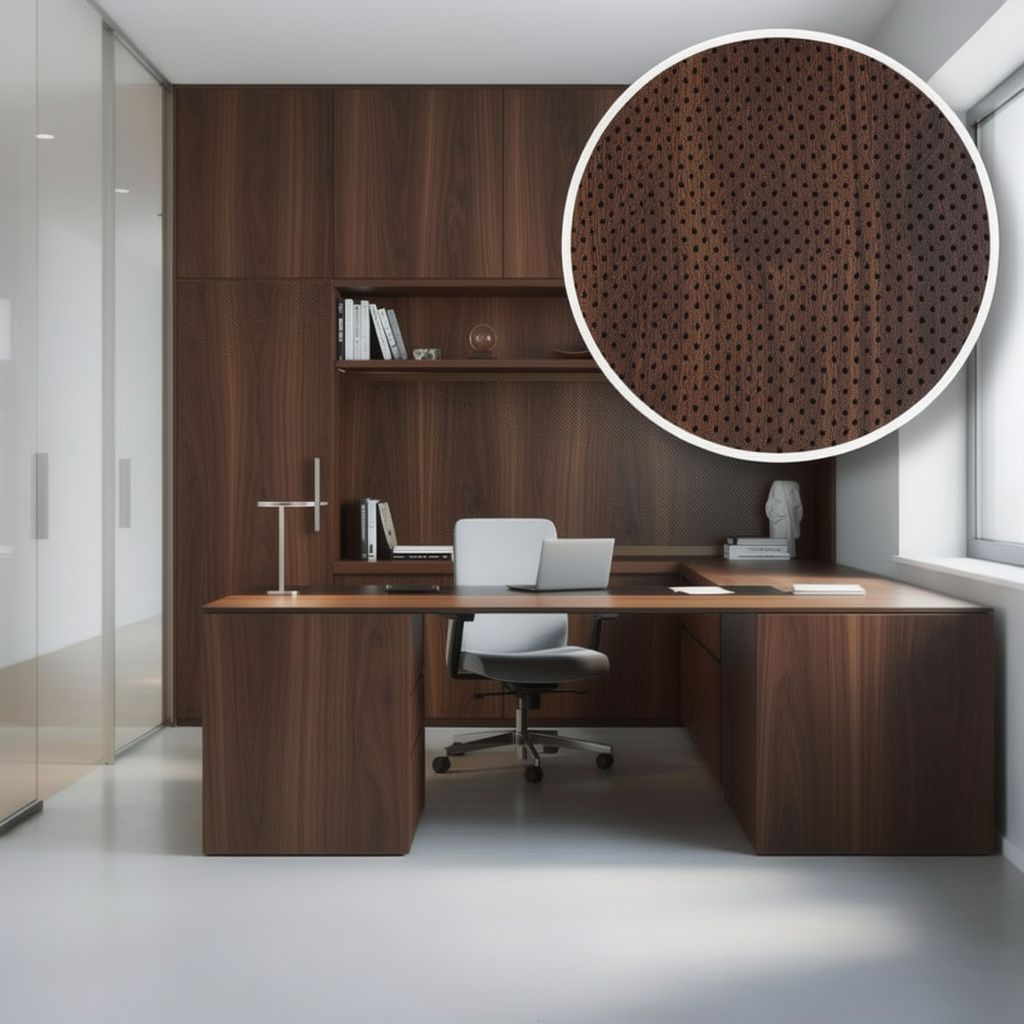
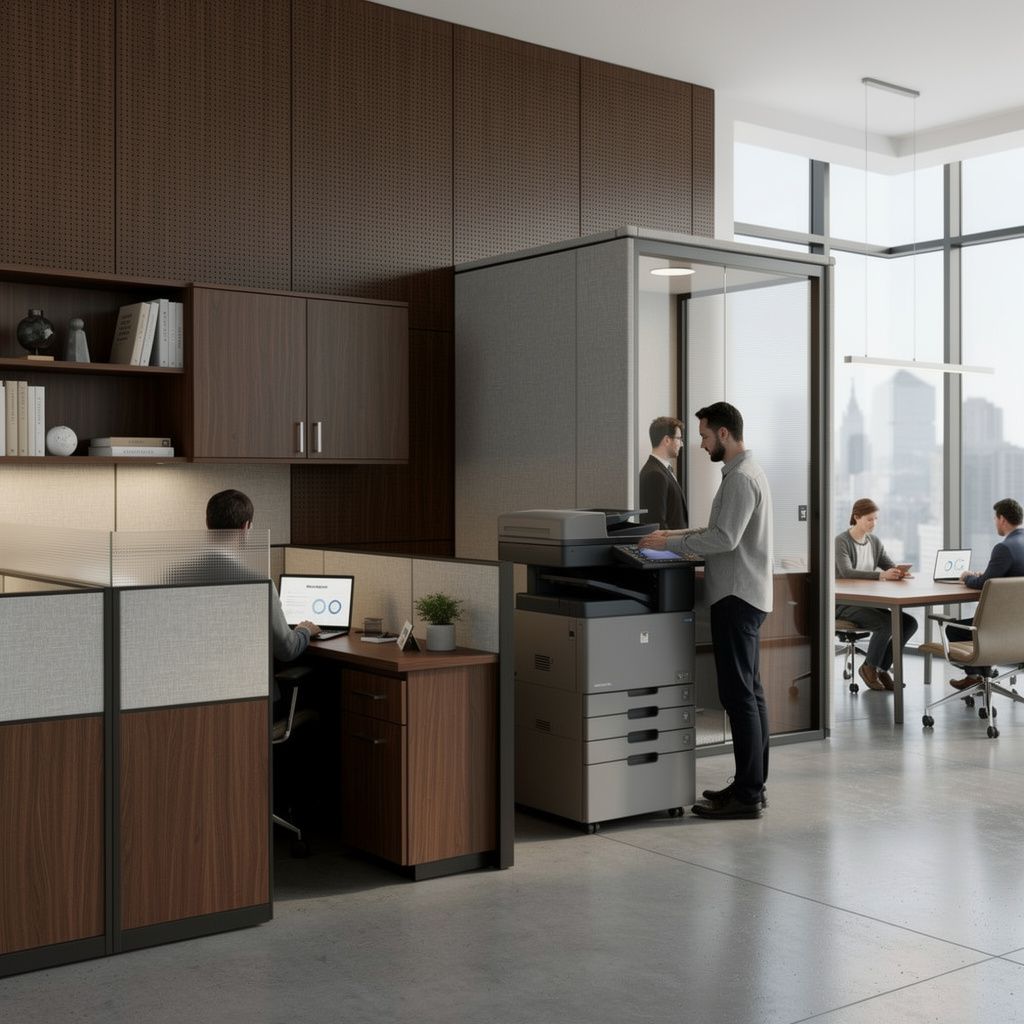
SoniQ™ furniture — patented furniture designed specifically to make a room sound better while still looking aesthetically pleasing. At first glance, the desk or cabinet may look like regular high-end wood furniture. But the secret is nearly invisible to the naked eye: tiny microperforations created using laser technology are “burned” into the surface of the furniture. These 0.4 mm holes allow sound waves to pass through the wood-veneer face rather than bounce back. This technology is also included on desk side panels, cabinet doors, and modesty panels.
A mix of softer furnishings and SoniQ™ furniture distributed across the office can create a more balanced acoustic environment. Sound quality and clarity will improve,
reverberation will decrease, and employees will be able to chime in on conversations and listen attentively without experiencing listening fatigue or being distracted by background noise.
Reduce Sonic Clutter with the Help of SoniQ™ Furniture
If sonic clutter is creating office fatigue, withdrawal, and even burnout, finding an acoustic solution needs to be a top priority. With the help of experts, you can outfit your office with a distribution of acoustic tools to solve the sonic clutter dilemma for good.
Partnering with
RPG Acoustical Systems and leveraging SoniQ™ furniture can transform your noisy, overwhelming office into a calmer, more relaxing work environment.
FAQ
What is sonic clutter?
Sonic clutter is an accumulation of noise that occurs when sound waves bounce off hard, reflective surfaces. This overwhelming, chaotic mix of sound can be unpleasant and make it much harder to hear clearly — especially in an office environment.
Why does adding more distributed sound-absorbing furniture interrupt reflected sound paths?
Adding sound-absorbing furniture around the room will help absorb sound and reduce reflected sound paths by trapping sound-wave energy, preventing it from bouncing off hard, reflective surfaces.
How do you create a more balanced acoustic environment in an office?
Adding more sound-absorbing furniture can be a great place to start. This type of furniture is specifically designed to capture or trap sound waves rather than reflect them. In addition, softer, plush materials like upholstered couches and sofas can help distribute sound as well. Ceiling tiles and floor treatments can also be helpful; however, they can be more expensive.
Recent Posts