How Desk Systems Can Improve Office Acoustics
Desks, rolling chairs, bookshelves, and cabinets are all pieces of furniture that you’d expect to see in a modern office. These pieces serve different functions—from establishing work areas for employees to storing important files. And yet, while traditional office furniture has distinct functions, it oftentimes fails from an acoustics perspective.
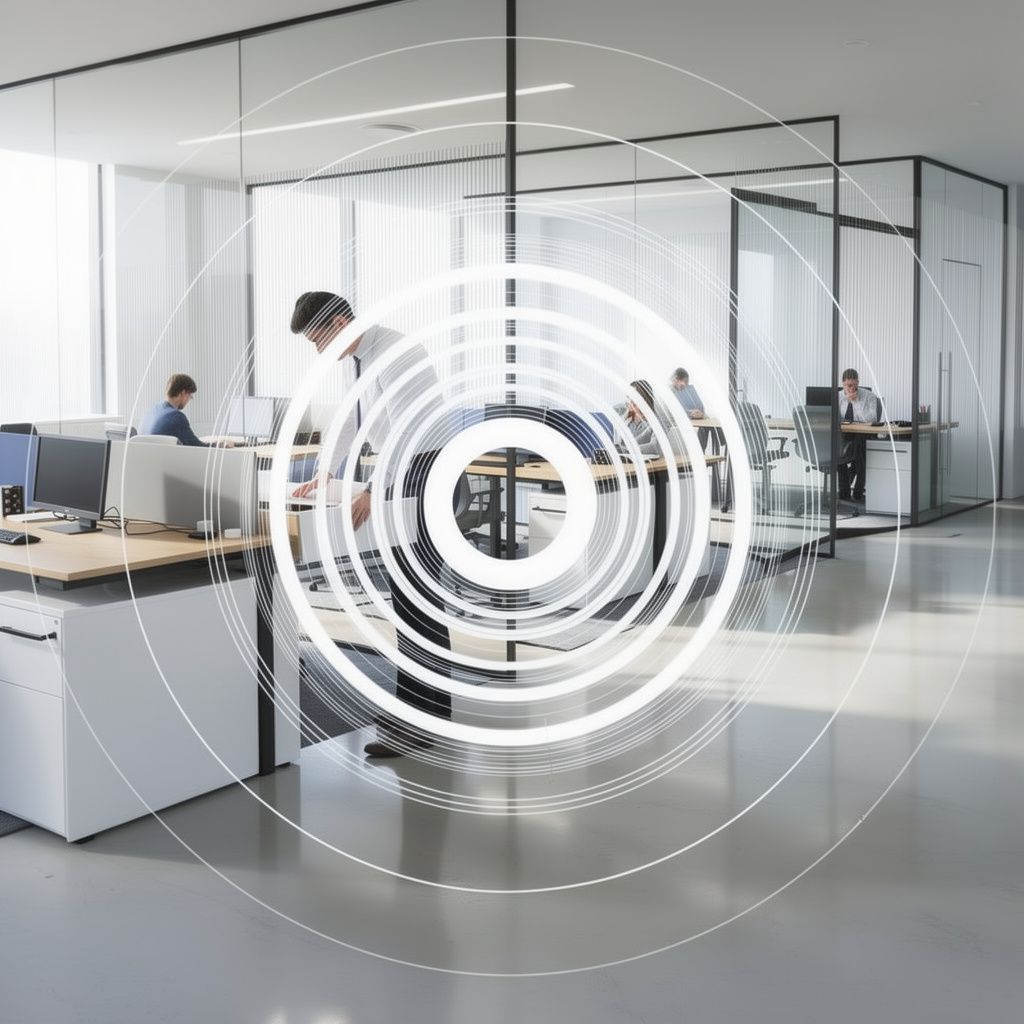
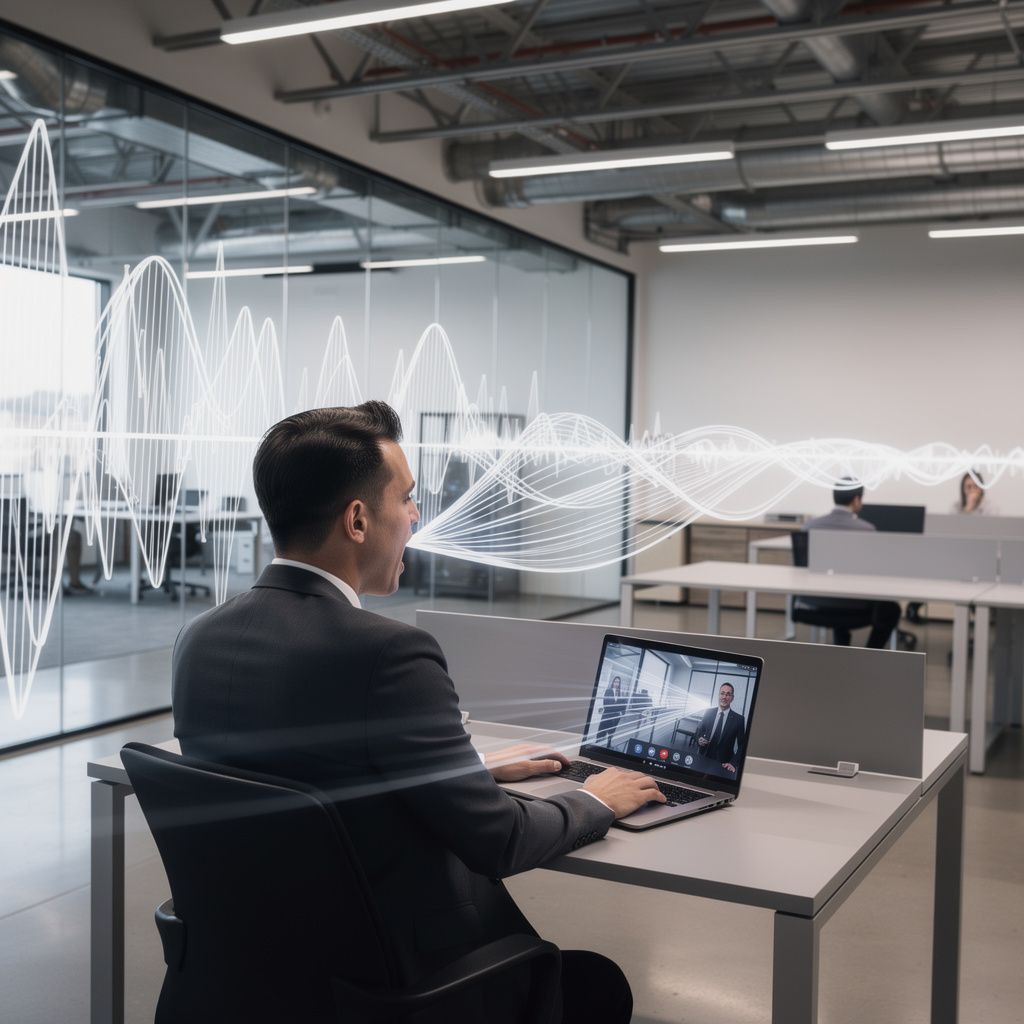
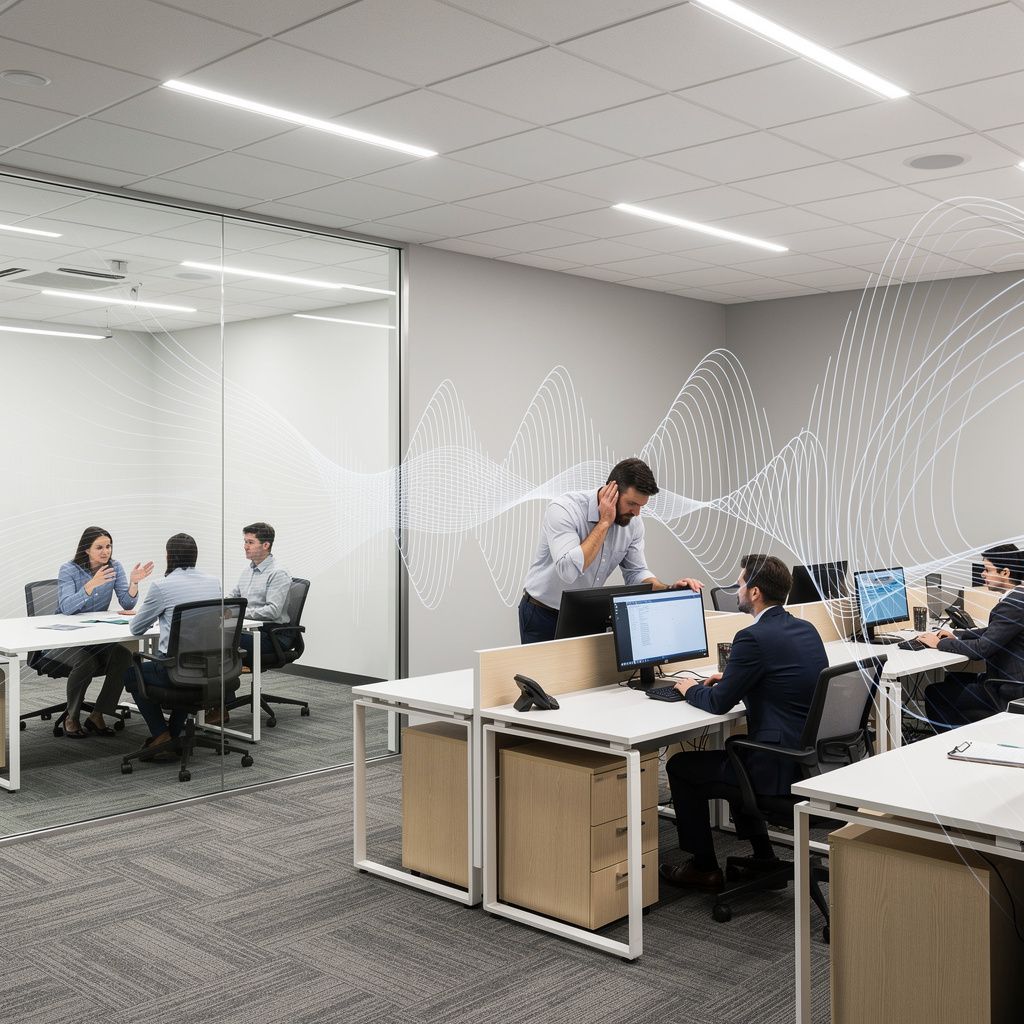
All of these items have hard, reflective surfaces, meaning that sound waves are reflected off of them. The result is an office with long reverberation times, loud echoes, and excessive noise pollution. This excess noise can be distracting, causing employee irritation and annoyance.
Acoustic office furniture is designed with function and purpose in mind. Not only does a sound-absorbing desk unit serve as a dedicated workspace, but it also helps control sound. Even more so, workstation systems can influence the acoustic performance of an entire office. Here’s how.
Workstation Systems in Modern Offices
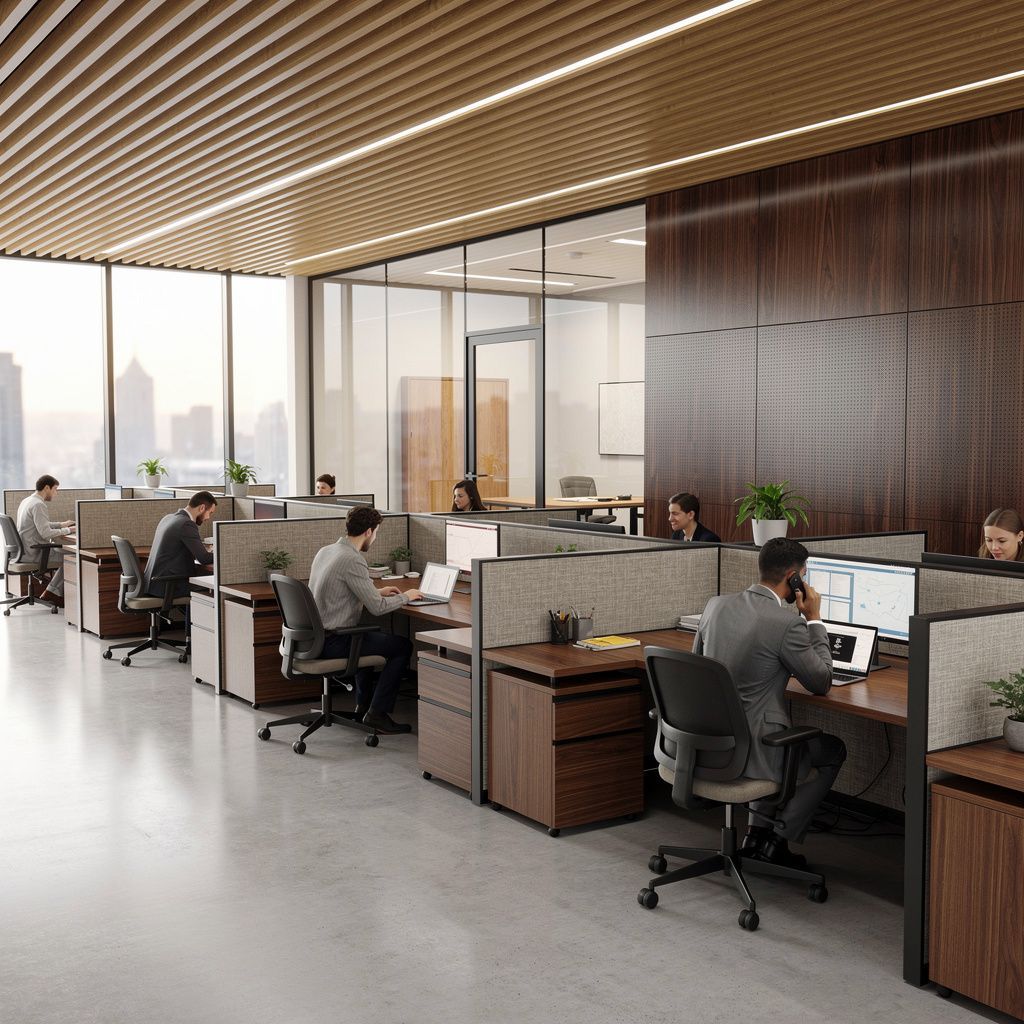
Single, independent desks with fixed or manual height options were popular choices back in the day; however, modern offices have largely switched to workstation systems. These structures are integrated and modular, designed to support multiple employees and tech-heavy setups. They are great for collaboration, as they can be grouped in mini pod-like structures. They often feature built-in charging stations, privacy panels, dividers, and integrated storage.
While there are numerous advantages to workstation systems, they can impact an office’s acoustic performance. These clean, modern stations — with their vertical panels, modesty panels, and even storage towers — are all reflective surfaces. When sound from a coworker or a team enters the workspace, it will bounce back off these materials. As a result, these exposed elements can create a significant amount of reflective surface area, leading to poor office acoustics.
This doesn’t mean that offices need to forgo collaborative workstation systems for more independent, traditional-style desks—these are just hardwood surfaces that reflect sound! Instead, workstation systems need to be outfitted with proper sound-absorbing materials to convert reflective surfaces into absorptive ones.
Integrating Sound-Absorption into Workstation Systems
Integrating sound-absorption materials into workstation systems can reduce speech distraction and better control
reverberation time in open-plan offices. Here are some best practices to consider:
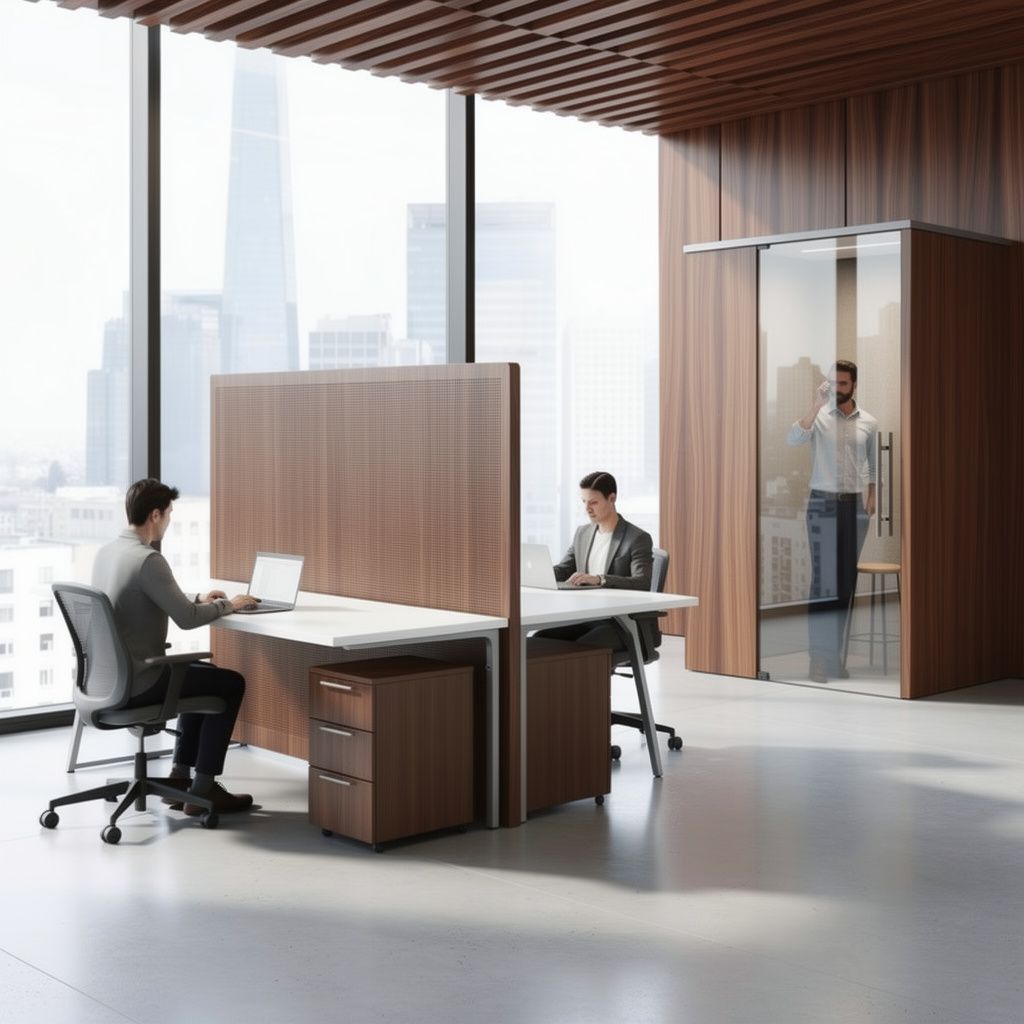
- Acoustic desk screens and barriers: Screens or barriers can be mounted directly to the front or sides of desks, helping to direct sound waves between neighboring workers. When made from micro-perforated wood panels, these screens can absorb excess sound, limiting echoes and reverberation time.
- Upholstered panels: Another option to consider is upholstered panels; they can help reduce excess sound, too. Note: Upholstered panels are less easy to clean than flat, hard surfaces.
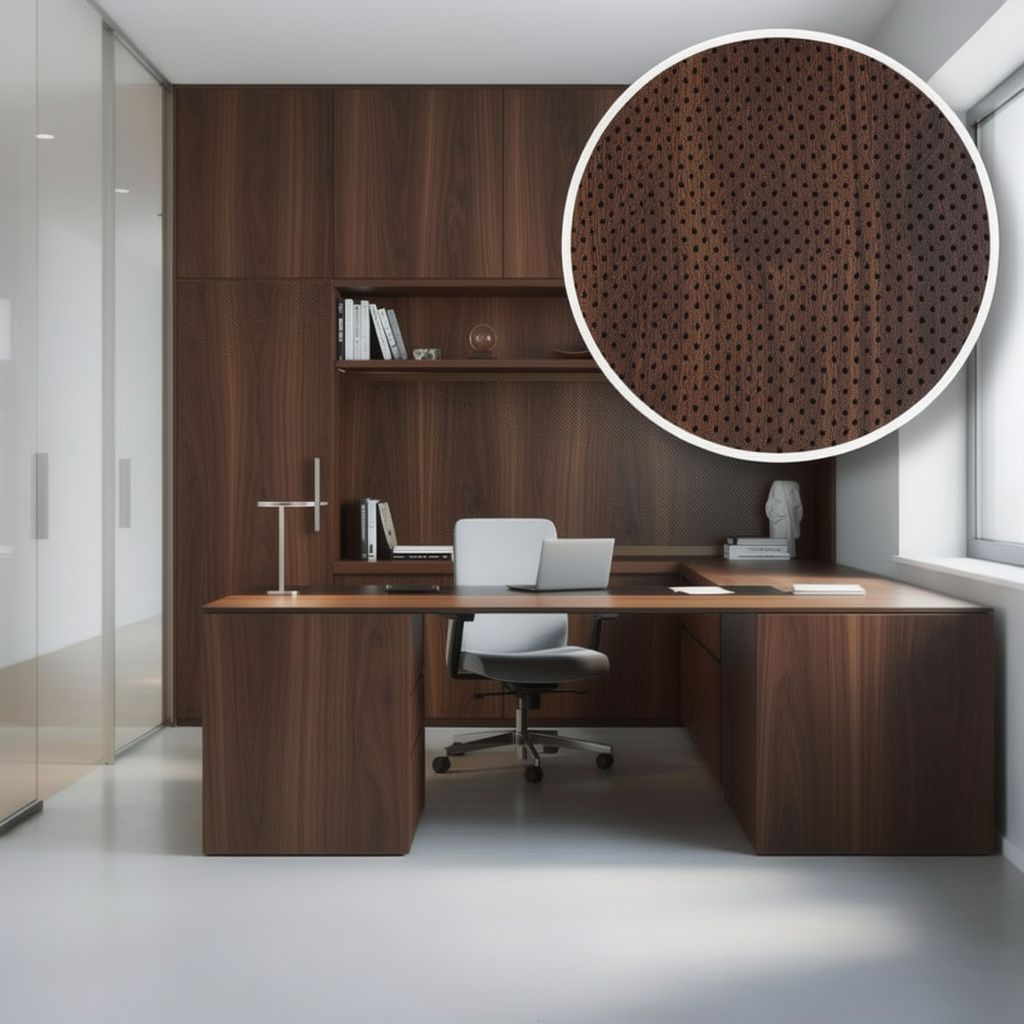
- SoniQ™ Technology: From the outside, this patented furniture looks like high-end wood furniture. But with SoniQ™, the veneered wood panel is actually filled with tiny perforations, created with laser technology. Each hole — only 0.4mm wide — is “burned” into the surface and is barely visible to the naked eye. This treatment can be done to a workstation’s side panels, cabinet doors, and the desk legs, creating a comprehensive, sound-absorbing surface without sacrificing the classic wood look.
Workstation systems outfitted with these types of sound-absorbing materials can significantly reduce ambient office noise, reduce echo, and improve speech privacy and clarity in open-plan offices. For employees, this means fewer distractions and more time for heads-down, focused work.
Why Distributed Acoustic Performance Matters in Offices
Speaking of distractions, you may be wondering if sound-absorbing furniture and workstations will actually make a difference in an office environment outfitted with acoustic panels and ceiling treatments. Panels and baffles can significantly reduce office noise, but they should be seen as part of the holistic acoustic solution. Sound-absorbing furniture is another part of the solution that shouldn’t go overlooked.
Distributed acoustic performance creates a multi-layered buffer, improving individual focus time and macro-level office comfort. From an individual perspective, acoustic panels mounted onto desks and sound-absorbing privacy screens can limit distractions from nearby coworkers tapping away on their keyboards or side conversations between two team members.
When the brain spends less energy filtering out the distractions, it can spend more time on the task at hand. The mental load is lower, so employees may feel less
stressed or exhausted by the end of the workday.
From an office culture perspective, distributed acoustic performance can help maintain a calmer environment overall. When noise levels are lower, employees and office guests tend to speak more softly—it also helps when there is less need to scream at another colleague so they can hear you! Distributed acoustics can also be used to direct sound within a space, creating distinct zones. There is a place for office chatter, and the kitchen or collaborative seating area is a great spot for friendly conversations.
And most importantly, the office will feel welcoming while still serving its primary purpose as a functional workplace.
Outfit Your Office With SoniQ™
Workstations are more than just a place to work. They are dynamic ecosystems that shape productivity, well-being, and collaboration. Traditionally made from hard materials, they can also impact an office’s acoustics.
Working with acoustical professionals who use SoniQ™ Technology by
RPG Acoustical Systems ensures your office environment is set up for success from the start. SoniQ™ Technology is designed specifically for modern offices that want the beauty of a traditional office without sacrificing design or acoustic comfort.
FAQ
Does sound-absorbing furniture reduce office noise?
Yes. Sound-absorbing furniture traps sound waves, reducing ambient noise and echoes in open-plan offices. When sound energy is trapped, it dissipates rather than reflecting off hard surfaces. Sound-absorbing furniture is designed and constructed with acoustics in mind. SoniQ™ Technology furniture is made with laser microperforations, creating tiny holes that trap sound energy.
How do workstation systems influence the acoustic performance of an entire office?
Workstation systems influence office acoustic performance by either blocking, reflecting, or absorbing sound waves through carefully designed panels and materials. A vertical or modesty panel may block sound entirely, lowering overall noise spread. Fabric-wrapped or porous workstation surfaces can absorb the sound energy.
Why does distributed acoustic performance matter in office environments?
It does. Distributed acoustic performance means that there are different types of sound-absorbing properties across the office. There may be acoustic wall panels, ceiling baffles, and acoustic furniture. When sound enters the office, it reflects off any hard surface — the flooring, ceiling, and any hard, vertical or horizontal material counts. With acoustic distribution, offices can minimize and better control noise reflections from every point of sound.
Recent Posts